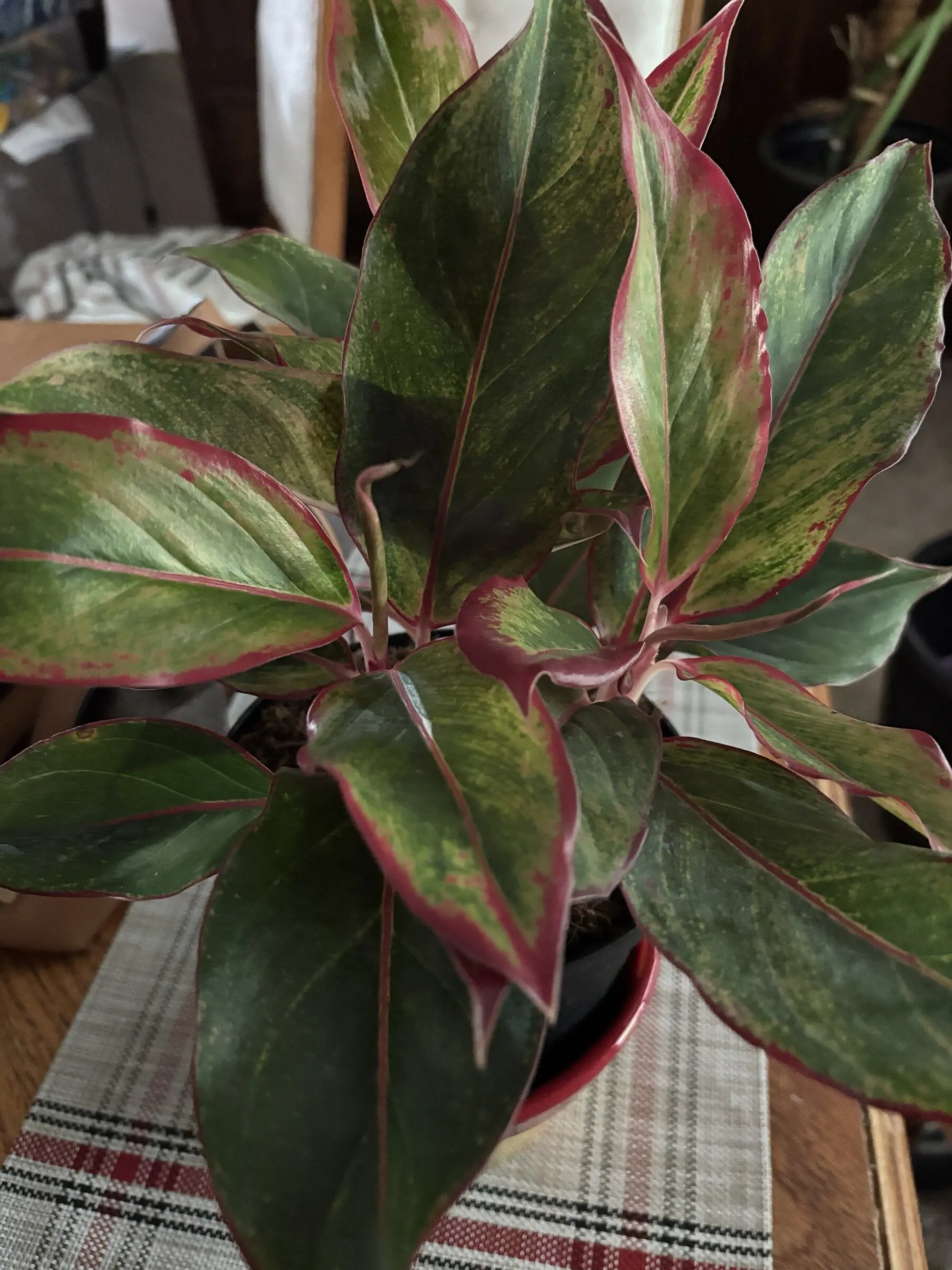
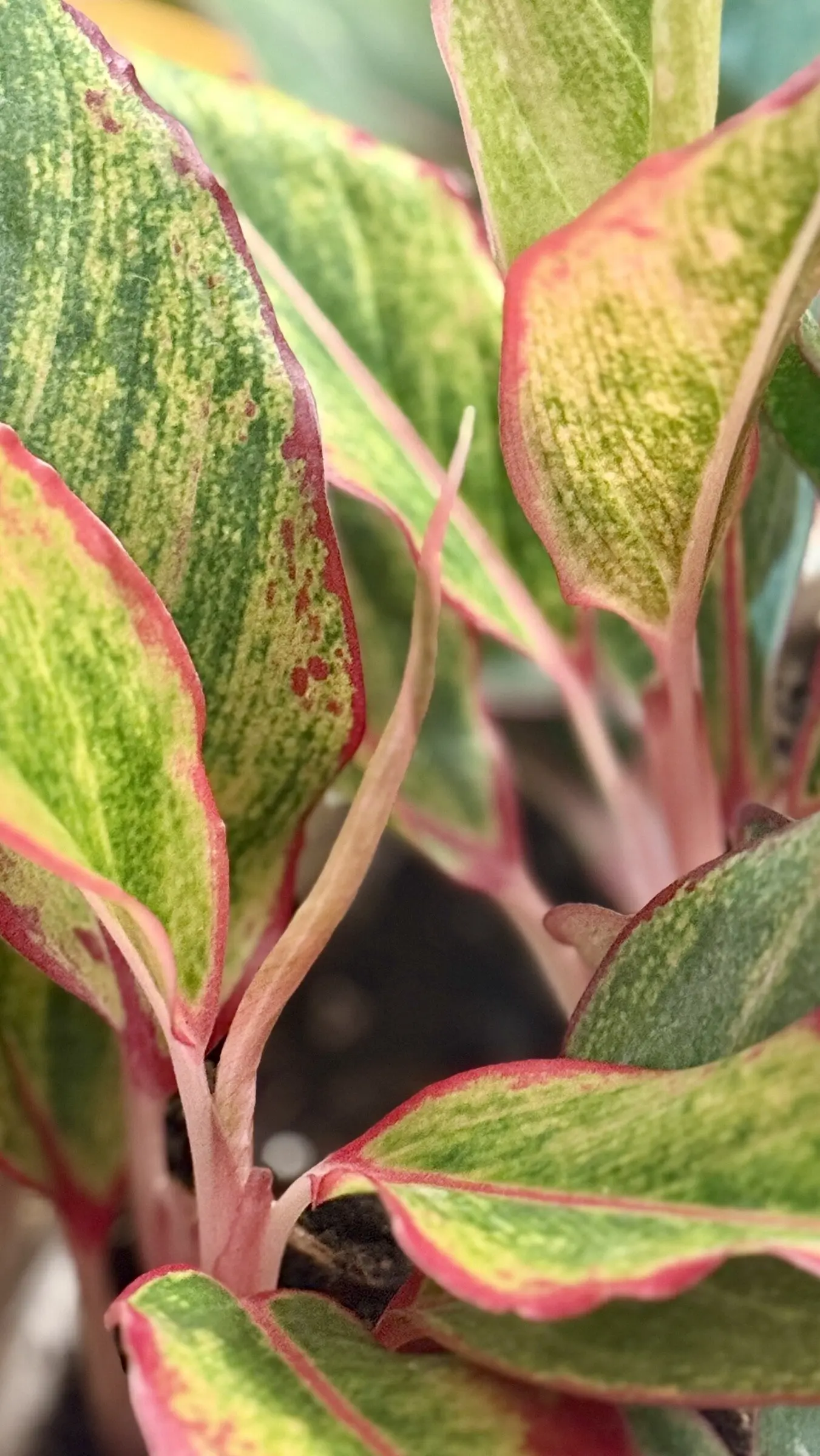
Red Aglaonema, also known as Chinese Evergreen, is one of the easiest ways to bring bold color indoors. Its glossy, pointed leaves are splashed and speckled in green, cream, and yellow, outlined in hot pink or red, with pink stems and a pink midrib running down each leaf. No two leaves are painted quite the same. Mine is ‘Siam Aurora Red,’ one of the most popular red varieties, but there are over 40 Aglaonema varieties to choose from, with red and pink ones named ‘Lady Valentine,’ ‘Red Valentine,’ and ‘Super Red,’ and many look alike. Aglaonemas are in the Araceae family, the same family as pothos, monstera, and peace lilies. They’re native to the tropical forests of Southeast Asia, where they grow on the shady forest floor, and they’re hardy only in zones 10-12. For most of us, it’s a houseplant all year.
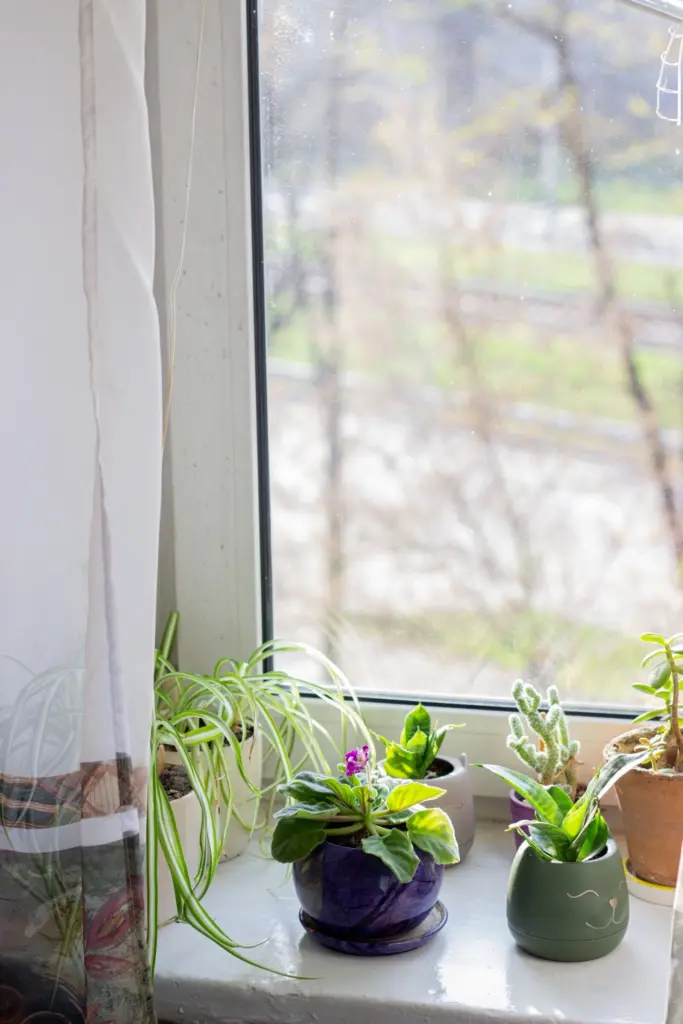
Green Aglaonemas are famous for handling low light. The red and pink varieties need a little more. Give them medium to bright, indirect light to keep the colors vivid. In too little light, the pink fades and new leaves come in greener. Keep it out of hot direct sun, though, which scorches the leaves and bleaches the color. An east-facing window, or a spot a few feet back from a south or west window, works well.
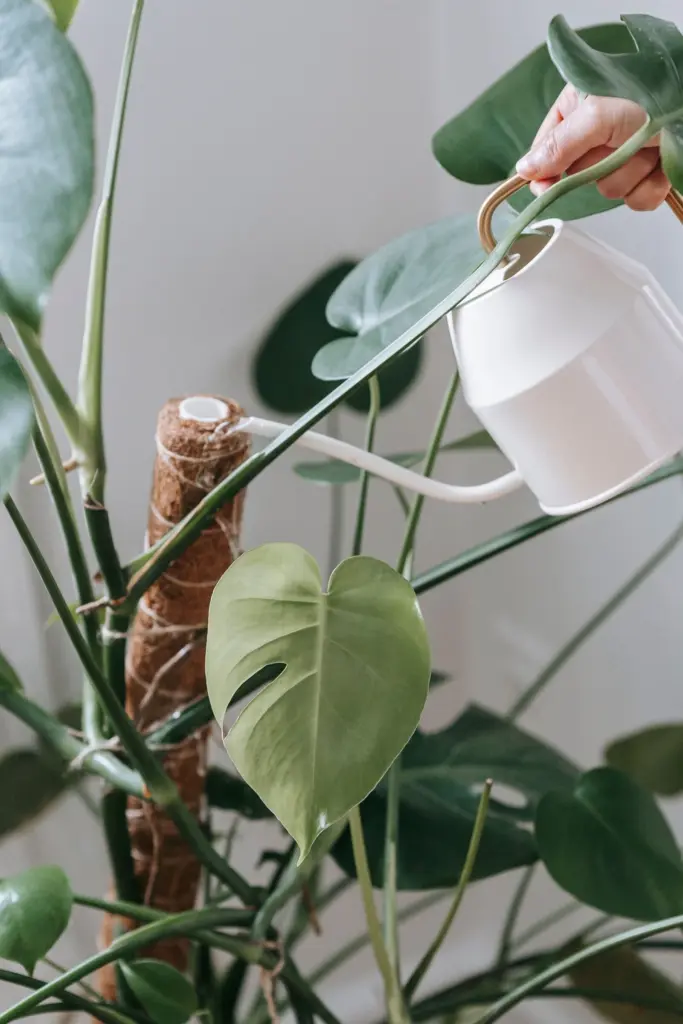
Water when the top inch or two of soil is dry, then water thoroughly until it runs out the drainage holes. Empty the saucer so it isn’t sitting in water. Aglaonemas don’t like soggy soil, which leads to yellow leaves and root rot, but they also don’t like to dry out completely. Go by touch rather than the calendar, since everyone waters differently and uses different soil mixes. In winter, when growth slows, it will need water less often.
This plant hates the cold. It’s happiest at 65°F to 80°F, and temperatures below 60 can damage the leaves, leaving dark, water-soaked patches. Keep it away from cold windows, drafts, and doors that open in winter, as well as heating and air conditioning vents. Average household humidity is fine, though it appreciates a pebble tray or humidifier when the heat is running. It enjoys an occasional misting, too, but it’s prone to fungal issues, so mist in the morning so the leaves dry by evening.
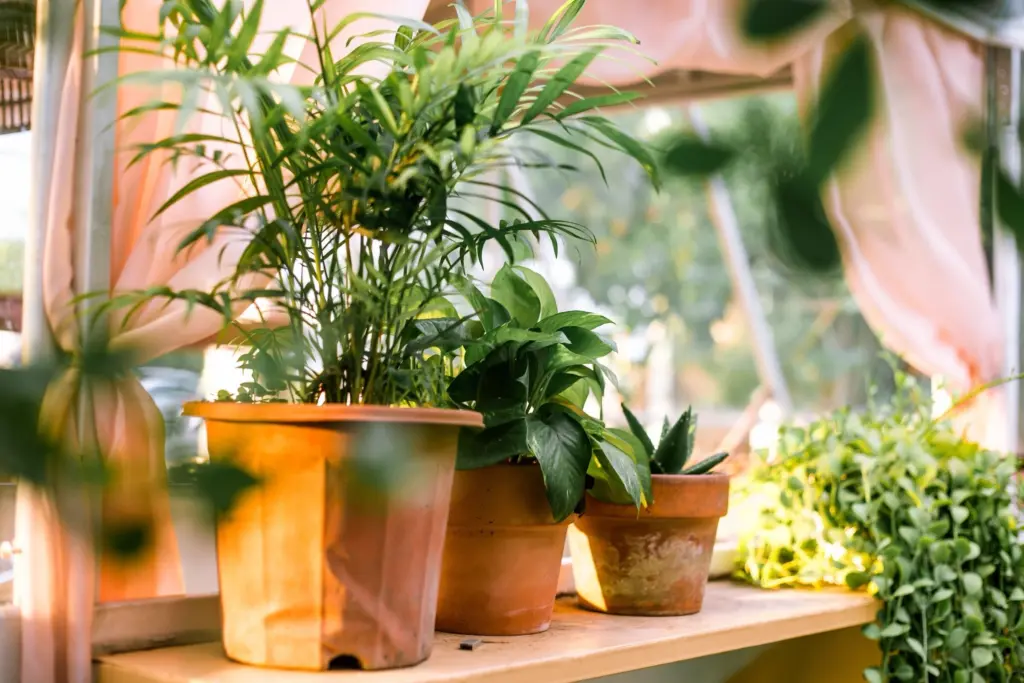
Use a well-draining potting mix with some perlite or orchid bark mixed in, in a pot with drainage holes. I use a peat-based mix for water retention. What matters most is that the soil drains well and is slightly acidic. Feed it a water-soluble fertilizer about every 6 weeks in spring and summer, and skip it in winter.
Aglaonemas grow slowly and stay compact, usually 1-3 feet tall indoors, so there isn’t much pruning to do. Trim off any yellow or damaged leaves at the base. If it gets leggy, you can prune it for a fuller appearance. Cutting a long stem back encourages new shoots from the base. Wipe the leaves with a damp cloth every few weeks to keep them glossy and dust free.
Mature plants sometimes bloom with a small, creamy spathe, like a tiny peace lily flower. It’s not very showy, and many growers snip it off so the plant puts its energy into leaves. It’s up to you.
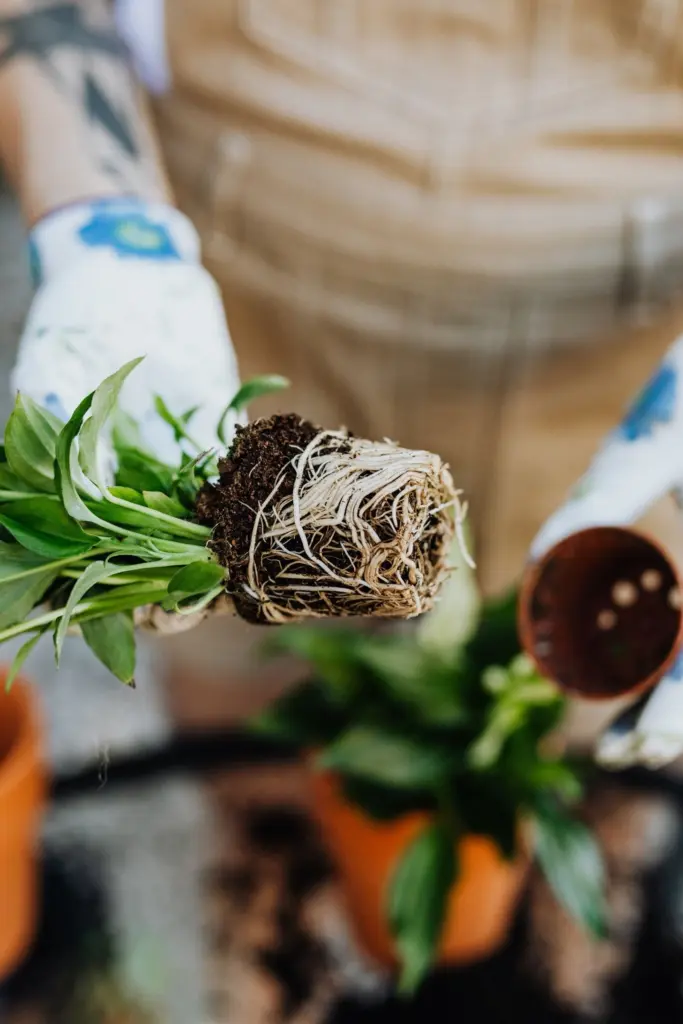
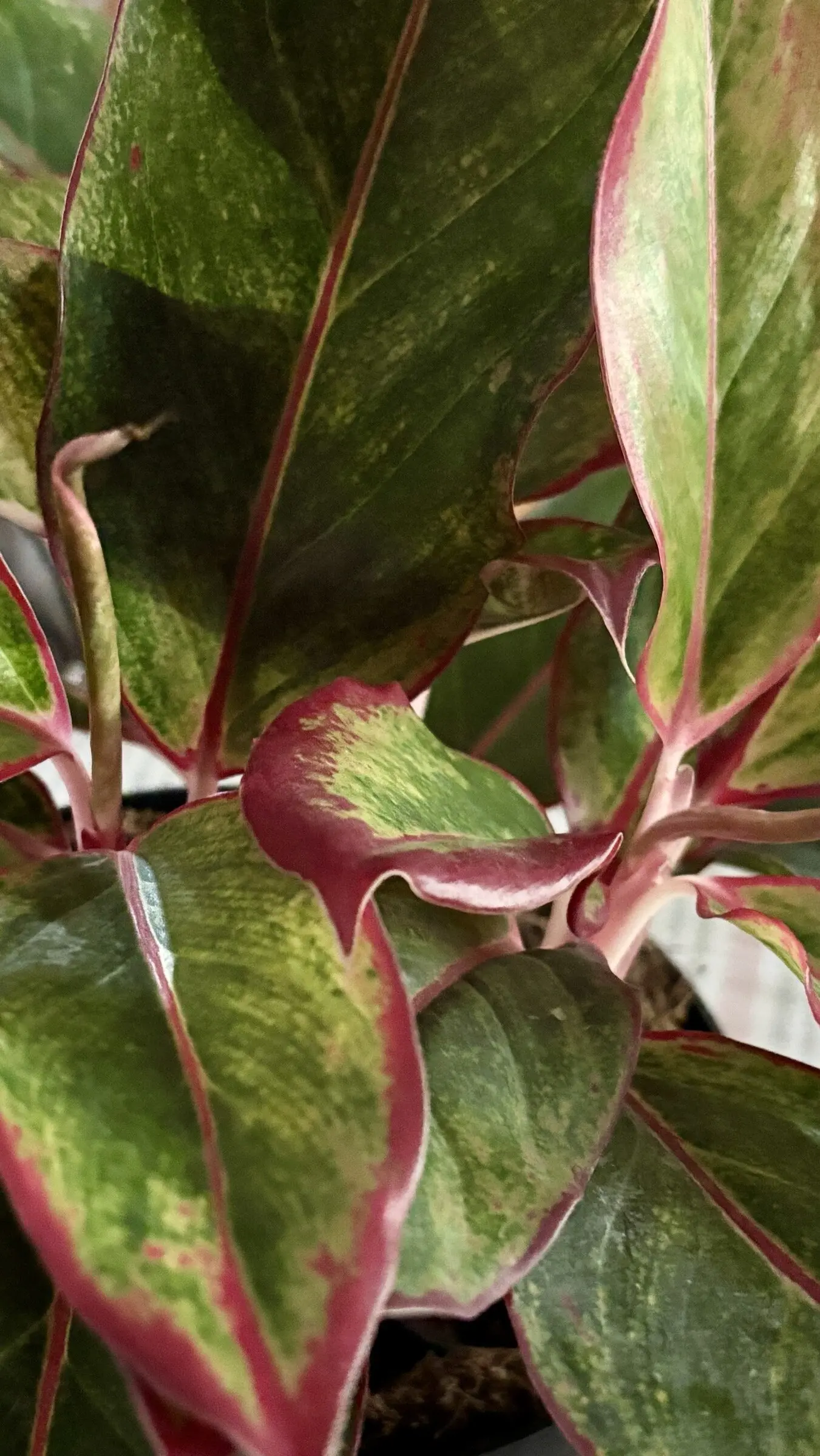
Aglaonemas don’t mind being a little snug in their pots. Repot every couple of years in spring, going up just one pot size. That’s also the easiest time to propagate. Division is easy because it grows in clumped stalks. Gently tease the roots apart, making sure each section has a few leaves and roots of its own, and pot them up separately. When I repotted mine, it was still in its original growing plugs. I was going to make three plants, but decided to plant them together in an elongated container instead. You can also root a stem cutting with a few leaves in water. It takes a few weeks, so be patient.
Most problems come back to water, light, or cold:
- Yellow leaves, especially lower ones, usually mean too much water. A few old leaves yellowing now and then is normal.
- Brown, crispy tips or edges usually mean dry air or uneven watering.
- Faded pink or greener new leaves mean it needs more light.
- Dark, mushy patches on the leaves often mean cold damage from a draft or chilly window.
- Watch for mealybugs (white cottony bits), spider mites (fine webbing under the leaves), and scale (small brown bumps). Neem oil or insecticidal soap takes care of all three.
Aglaonemas are toxic to cats, dogs, and people if chewed. They contain calcium oxalate crystals, which irritate the mouth and can cause drooling and vomiting. The sap can also irritate skin, so wear gloves when dividing or pruning. Keep it out of reach of curious pets and kids.
Colorful, compact, and forgiving. I’d put it in the beginner-friendly category. Just keep it warm and give it enough light to show off its color.
| Common Name | Red Aglaonema, Chinese Evergreen |
|---|---|
| Botanical Name | Aglaonema ‘Siam Aurora Red’ |
| Family | Araceae |
| Mature Size | 1-3 ft. tall and wide indoors |
| Sun | Medium to bright, Indirect |
| Soil | Well-drained, Slightly acidic |
| Native Area | Southeast Asia |
| Toxicity | Toxic to humans and pets |