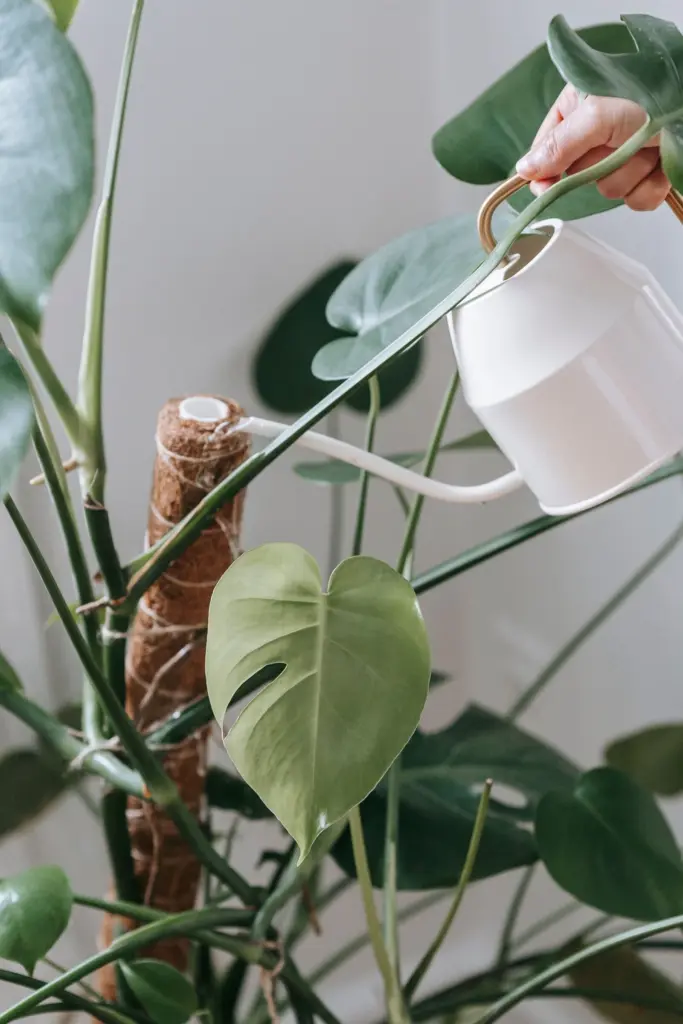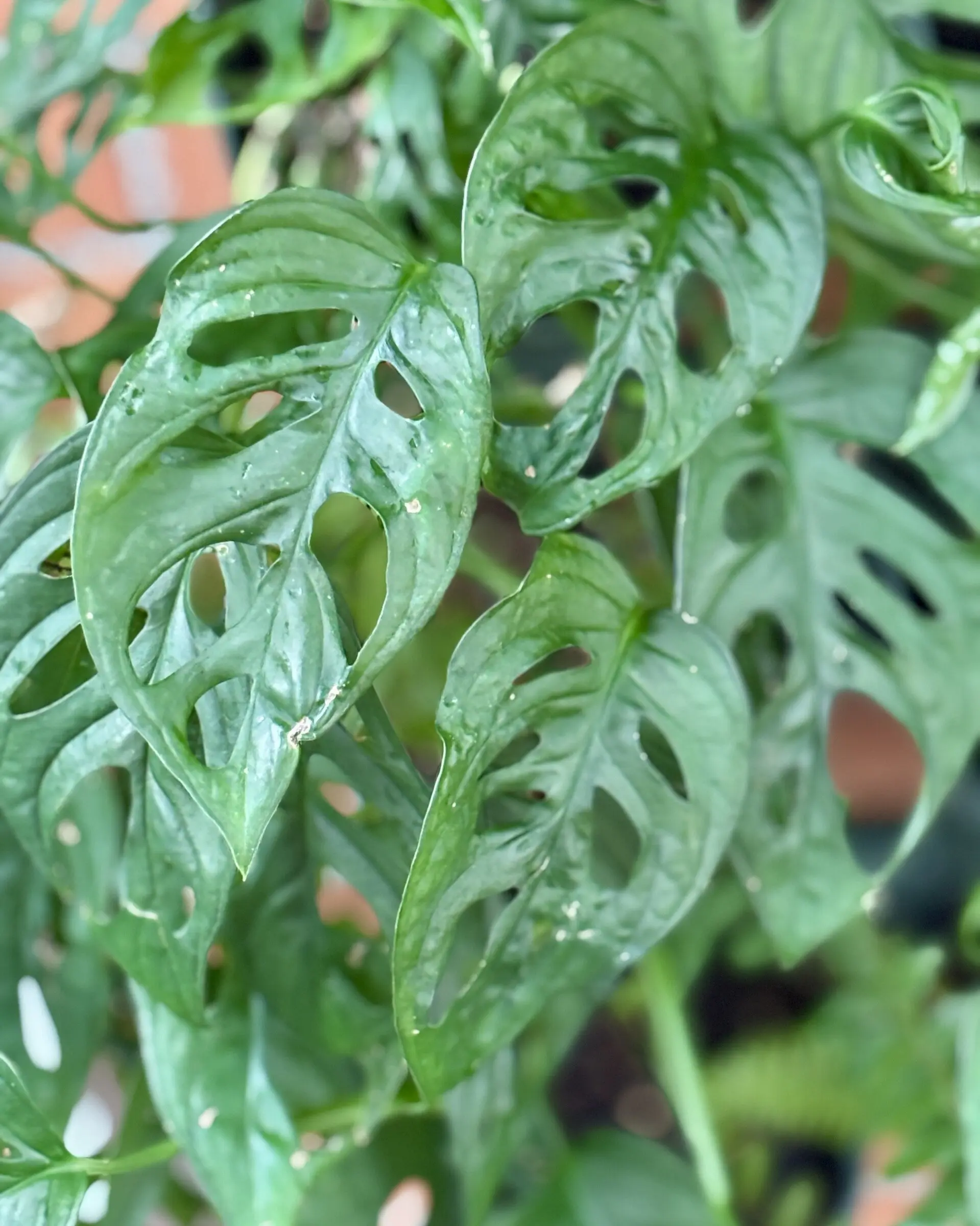
Monstera Adansonii, also known as Swiss Cheese Vine or Adanson’s Monstera, is a fast-growing vine with heart-shaped leaves full of oval holes. Unlike its big cousin Monstera deliciosa, whose leaves split at the edges, adansonii’s holes stay inside the leaf, like windows. That’s why it’s called the Swiss cheese vine. Even young leaves have holes, so you don’t have to wait years for that monstera look. It’s in the Araceae family, the same family as pothos and philodendrons, and it’s native to the rainforests of Central and South America, where it climbs up tree trunks. It’s hardy only in zones 10-12, so for most of us it’s a houseplant all year.
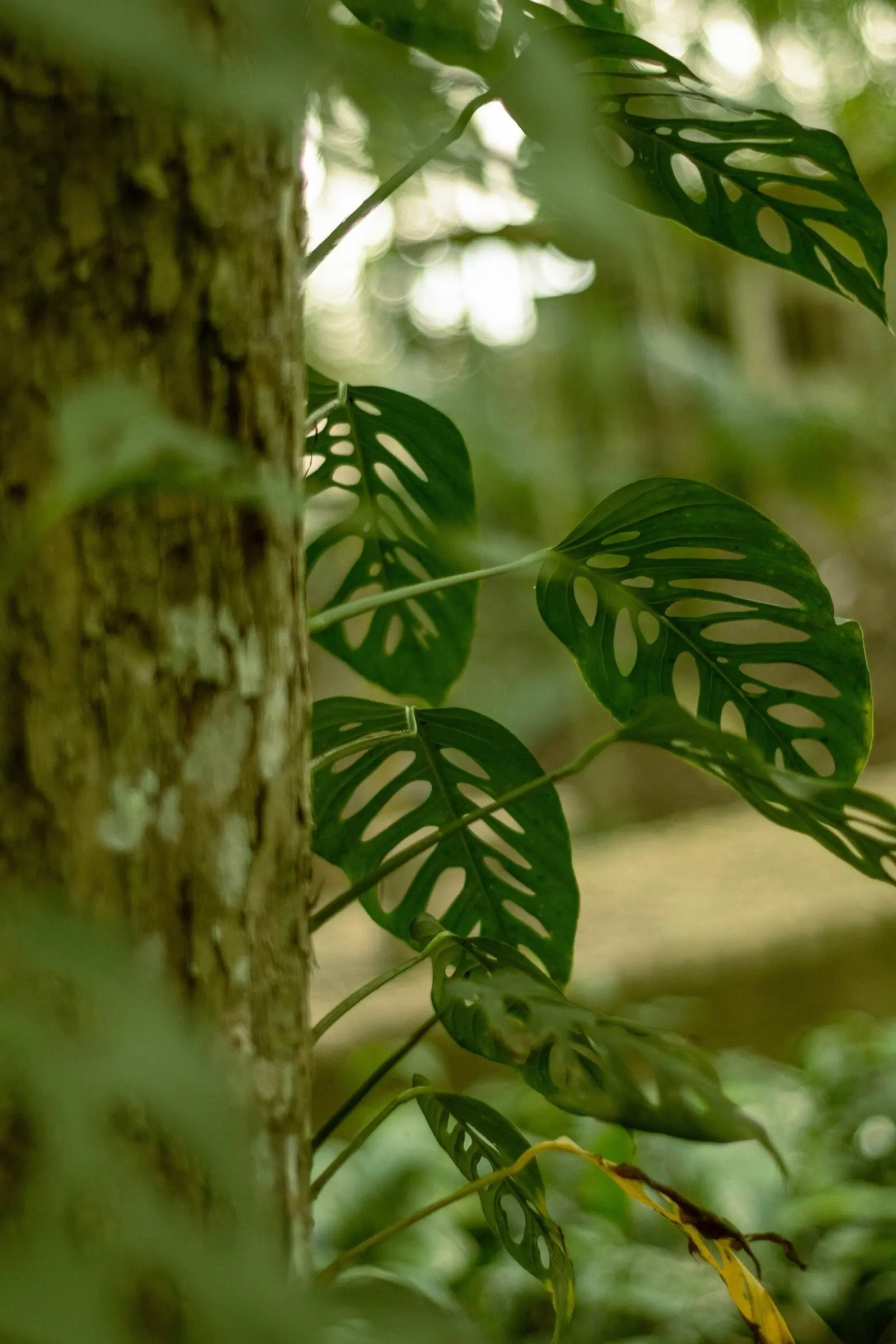
It’s a natural climber and trailer. You can let it spill from a hanging basket or a high shelf, or give it a moss pole or trellis to climb. Plants that climb usually grow bigger leaves with more holes. Plants that trail tend to have smaller leaves. Either way, it grows fast in spring and summer, and vines can reach several feet long.
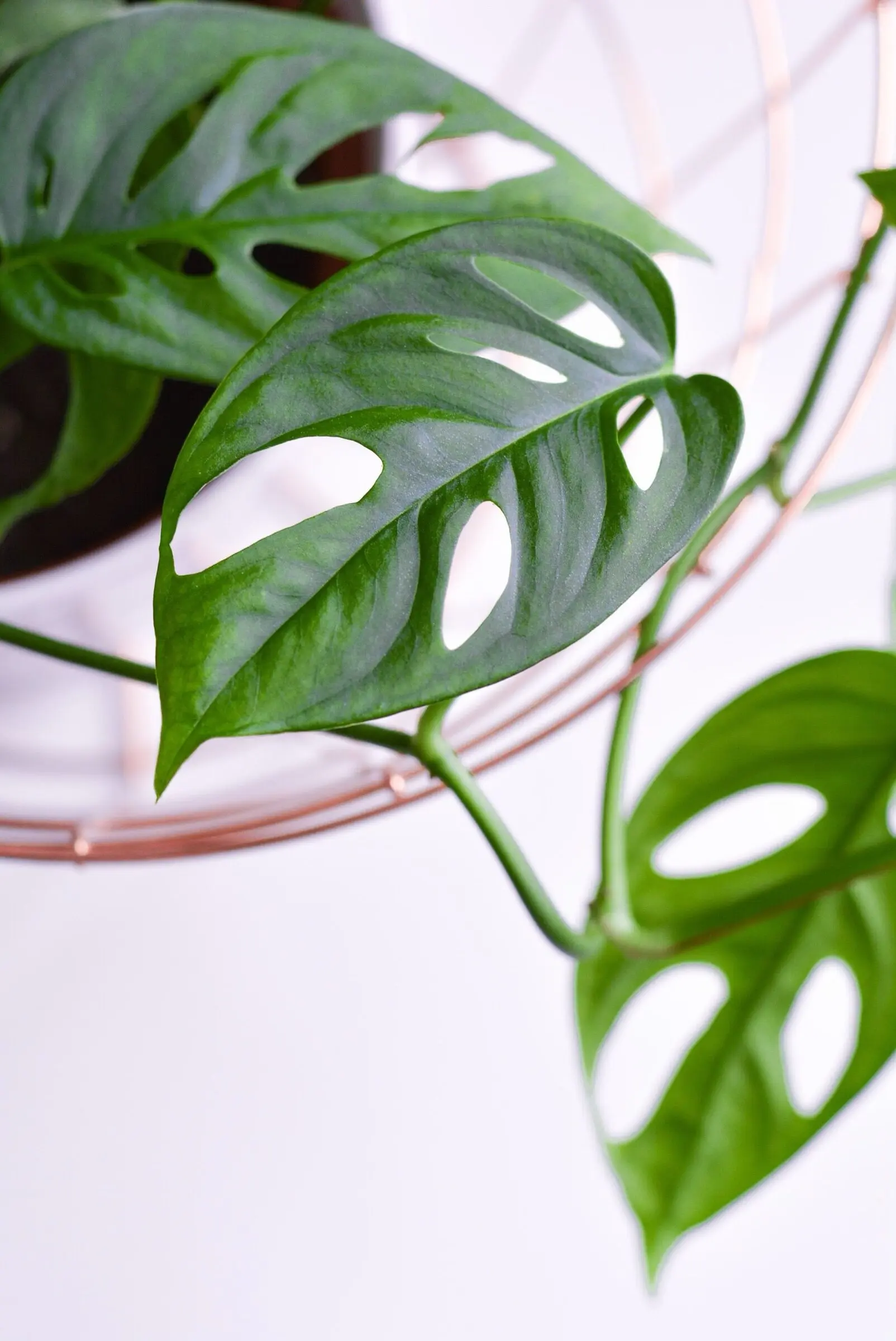
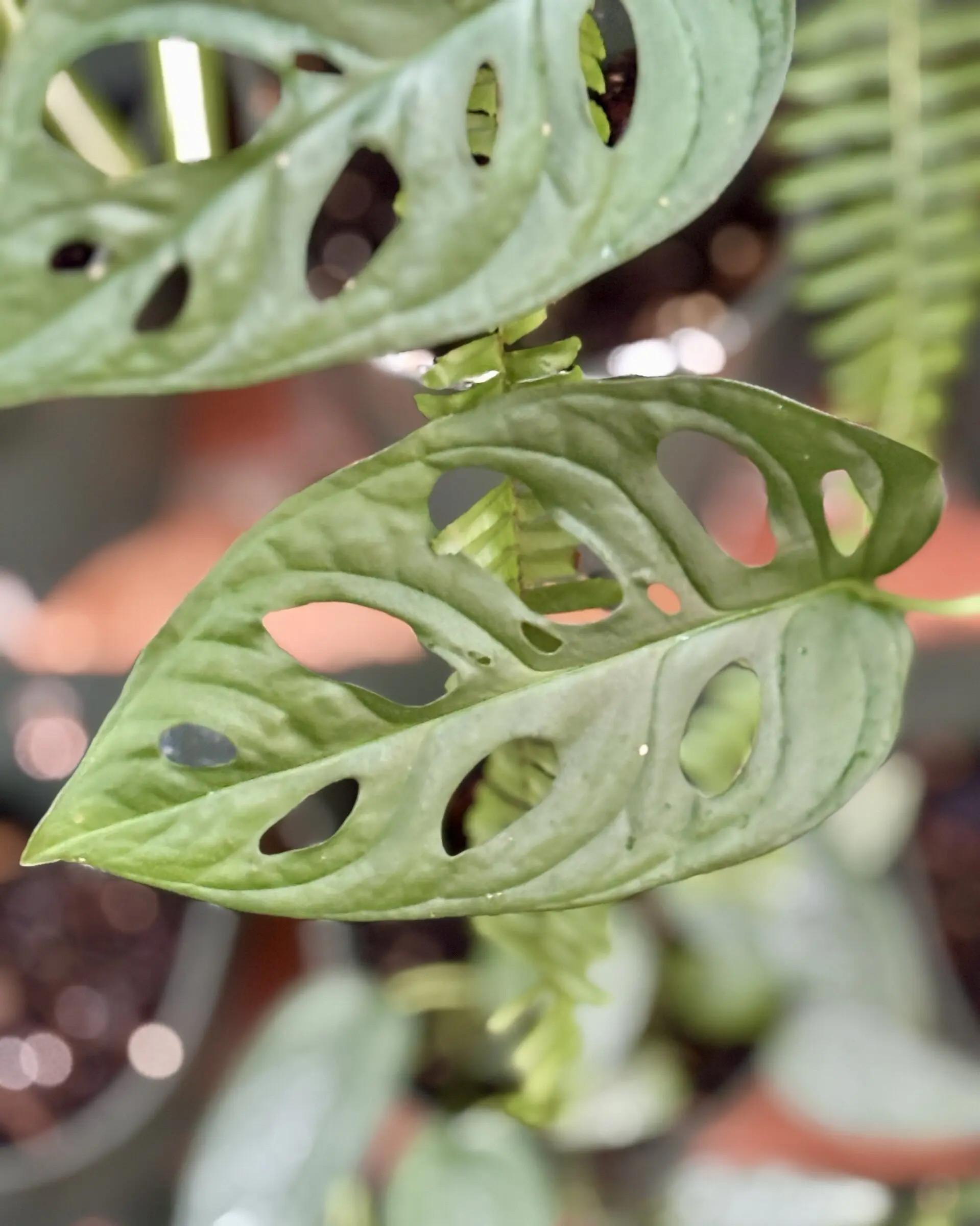
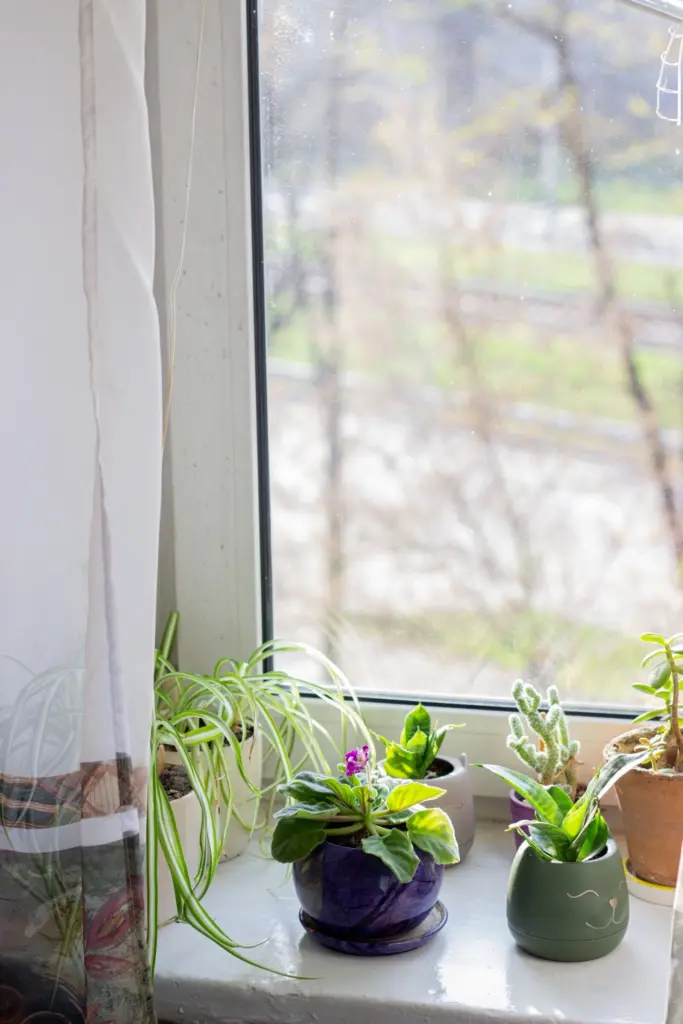
It wants bright, indirect light. An east-facing window, or a spot a few feet back from a south or west window, works well. Good light means bigger leaves and more holes. In low light, growth slows, the vines get long and bare between leaves, and new leaves may come in with fewer holes. Keep it out of hot direct sun, which scorches the thin leaves.
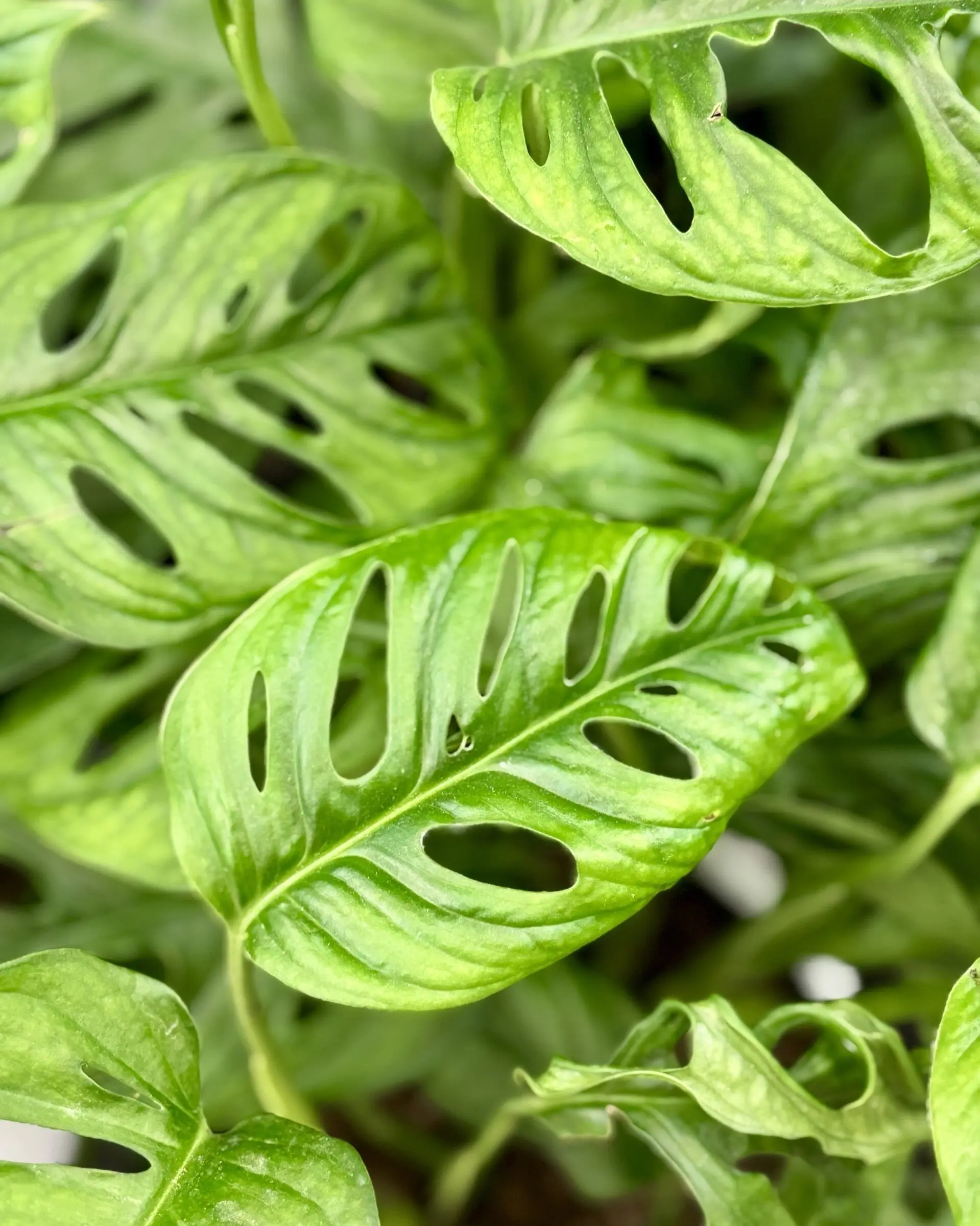
Water when the top inch or two of soil is dry, then water thoroughly until it runs out the drainage holes. Empty the saucer so it isn’t sitting in water. Adansonii likes its soil a little more evenly moist than many monsteras, but it still doesn’t want soggy soil, which leads to yellow leaves and root rot. In winter, when growth slows, water less often.
It’s happiest at 65°F to 85°F. Keep it away from cold drafts, cold windows, and heating and air conditioning vents. Below 55°F, it can be damaged. It loves humidity, ideally 50% or higher. A humidifier, a pebble tray, or grouping it with other plants helps, especially in winter when the heat is running. Its thin leaves brown and crisp at the edges in dry air.
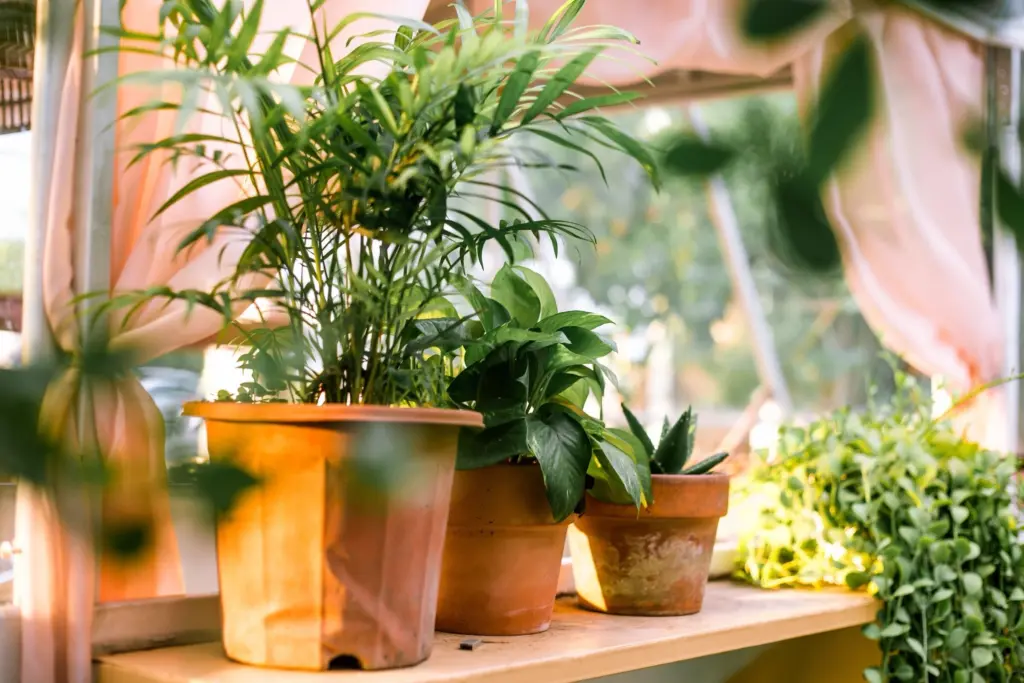
Use a chunky, well-draining aroid mix, like potting soil with orchid bark and perlite mixed in, in a pot with drainage holes. Feed a balanced water-soluble fertilizer monthly in spring and summer, and skip it in fall and winter.
To keep it full instead of long and leggy, trim the vines in spring or summer. Cut just above a node, the bump on the stem where a leaf grows, and the plant will often branch out from there. The trimmings make perfect cuttings.
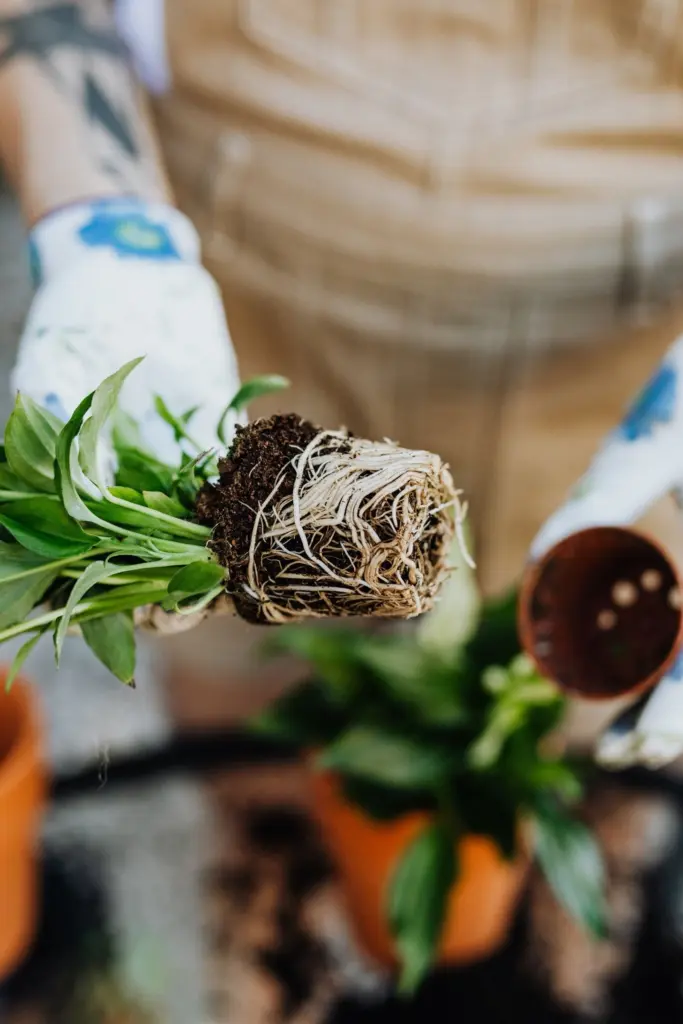
It’s one of the easiest monsteras to propagate. Take a cutting with at least one node and a leaf, and root it in water or moist sphagnum moss. Roots usually show up in a couple of weeks. Once they’re an inch or two long, pot it up. You can tuck several rooted cuttings back into the mother plant’s pot to make it look fuller.
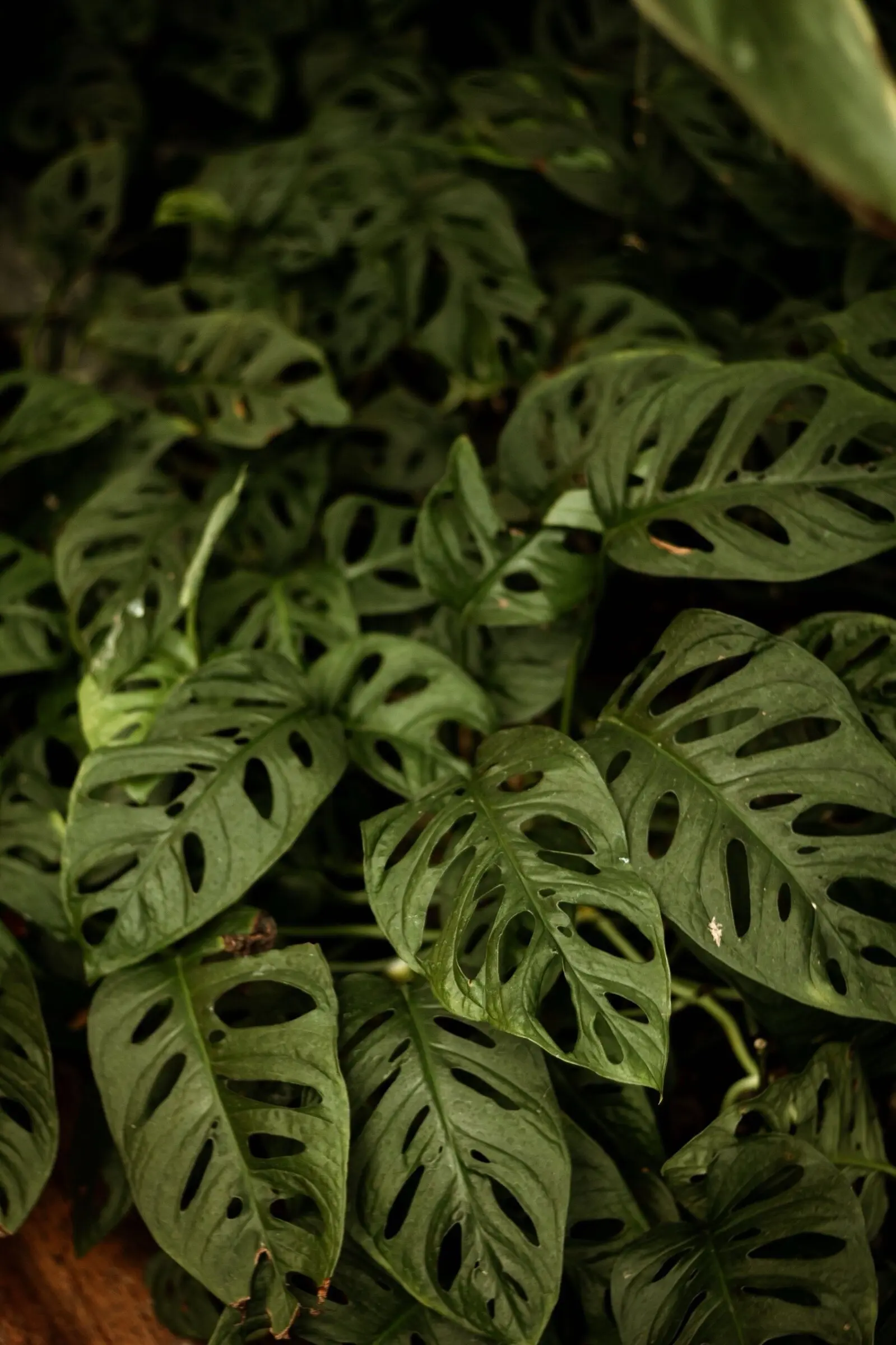
Repot every year or two in spring, when roots start circling the pot or poking out the drainage holes. Go up just one pot size.
Common problems:
- Yellow leaves usually mean too much water.
- Brown, crispy edges mean dry air or the soil dried out too much.
- Small leaves with few holes and long, bare vines mean it needs more light.
- Drooping, curling leaves usually mean it’s thirsty.
- Watch for spider mites (fine webbing under the leaves), thrips (silvery streaks), and mealybugs (white cottony bits). Neem oil or insecticidal soap takes care of all three.
Monstera adansonii is toxic to cats, dogs, and people if chewed. It contains calcium oxalate crystals, which irritate the mouth and can cause drooling and vomiting. A hanging basket keeps the vines out of reach of curious pets.
Fast-growing, forgiving, and full of holes from day one. I’d put it in the beginner-friendly category, a great choice if you want the monstera look without the big footprint.
| Common Name | Monstera Adansonii, Swiss Cheese Vine |
|---|---|
| Botanical Name | Monstera adansonii |
| Family | Araceae |
| Mature Size | Vines 3-8 ft. long indoors |
| Sun | Bright, Indirect |
| Soil | Chunky, well-drained, Slightly acidic |
| Native Area | Central and South America |
| Toxicity | Toxic to humans and pets |