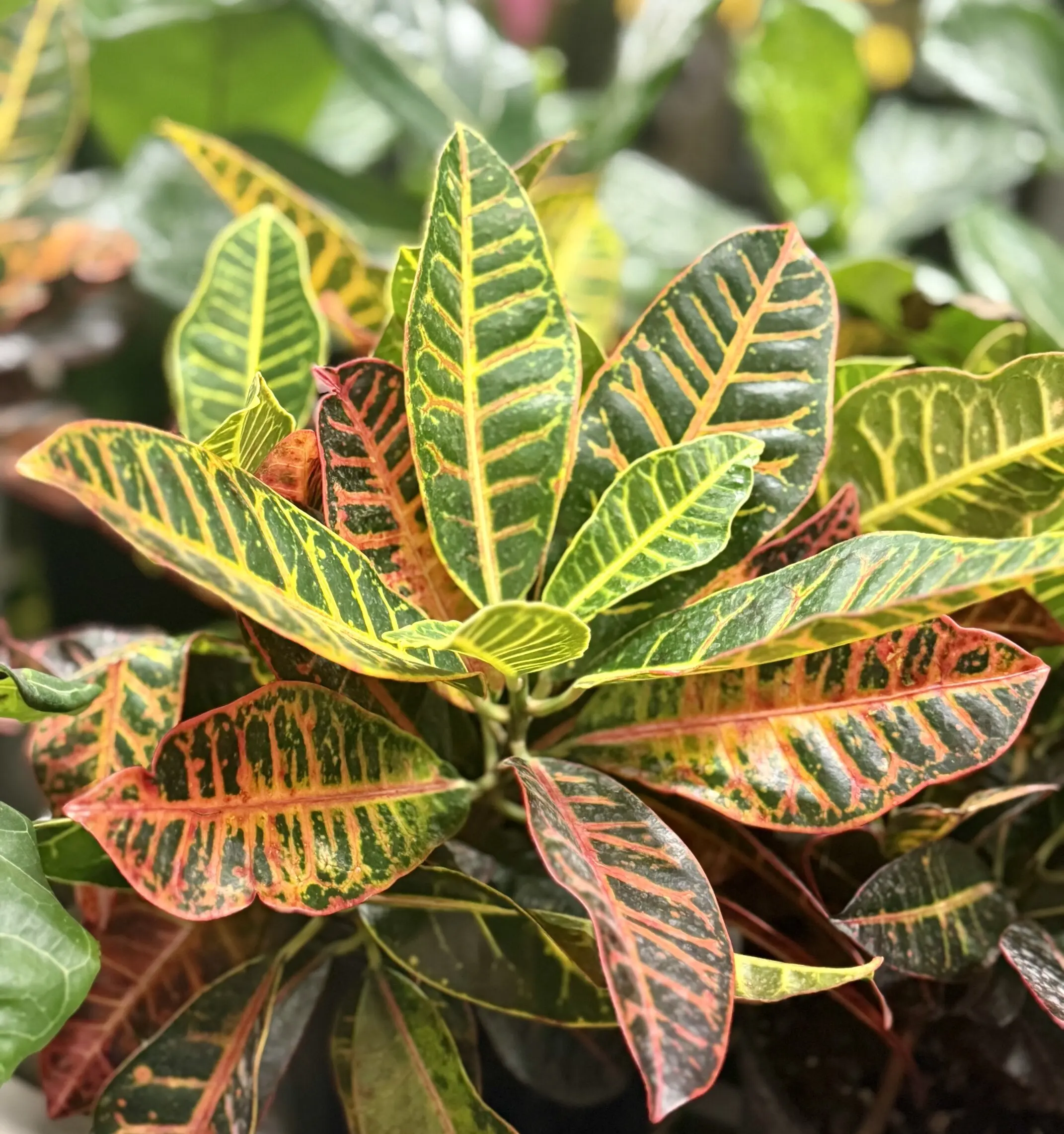
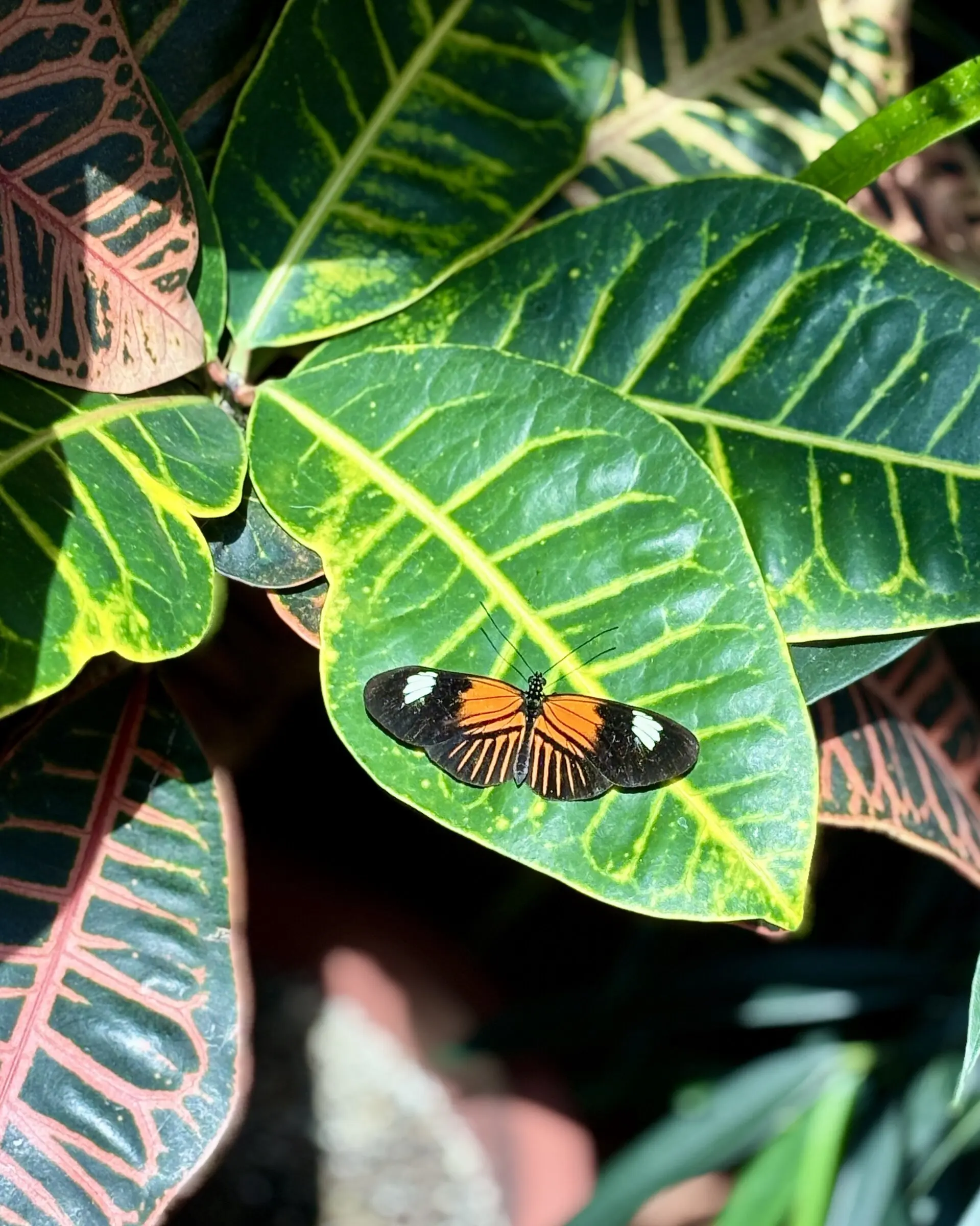
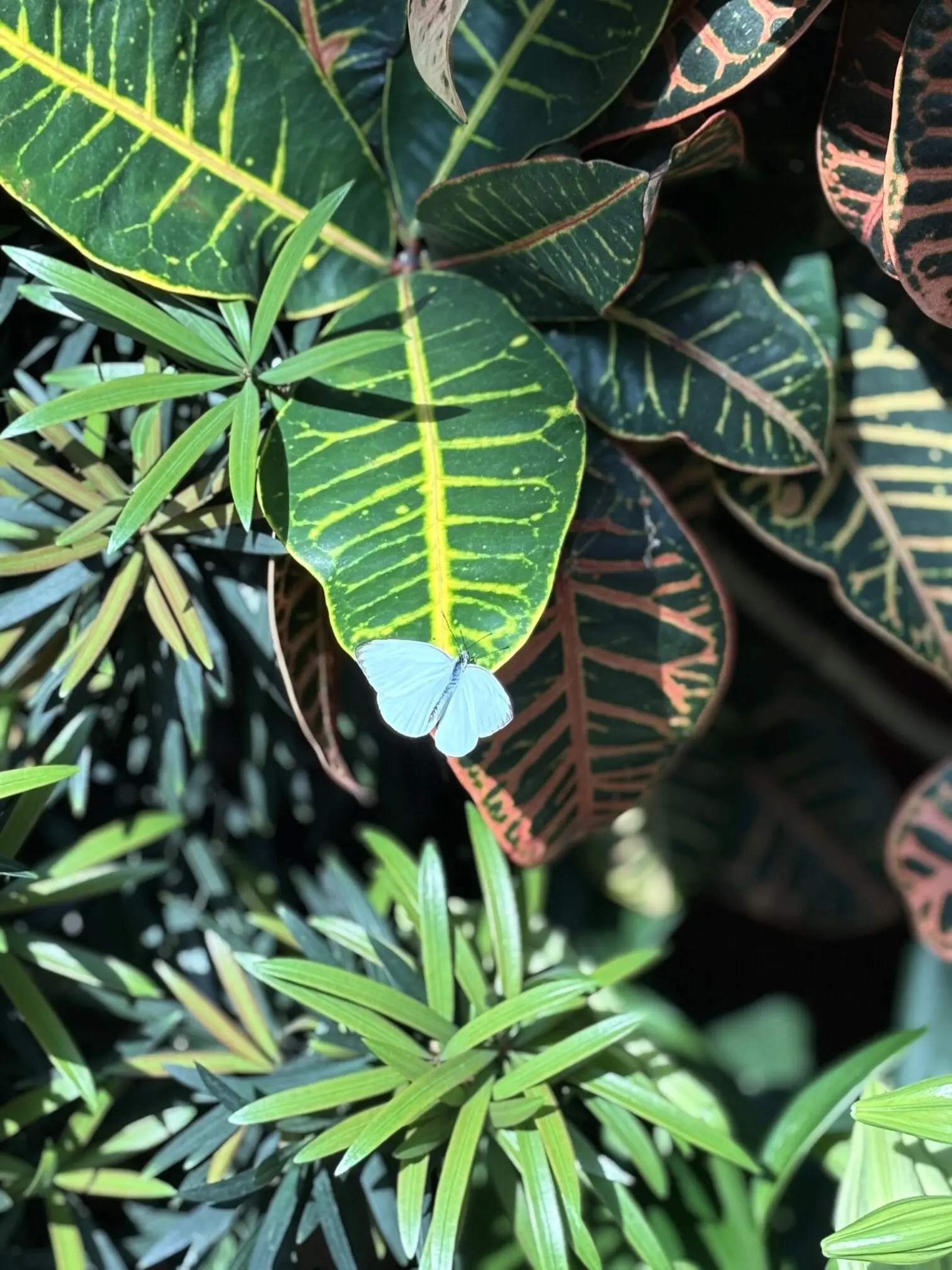
This Petra Croton, also known as Codiaeum variegatum ‘Petra’ or Gold Petra, is a wonderfully colorful tropical plant. Its thick, glossy leaves are veined in yellow, orange, red, and even burgundy, and the colors deepen as the leaves mature. There are hundreds of varieties of Croton with many different leaf shapes, from wide oval leaves like Petra’s to long, skinny, corkscrew-curled ones. They’re hardy in zones 11-12, so for most of us they’re houseplants, or summer porch and garden plants that come inside for winter.
The care is the same for all of them. Petra is just one of the easiest to find.
They can be a challenge for beginners as an indoor plant. It can seem like one wrong move and the leaves drop. Crotons hate change. Even just bringing one home from the store or moving it to a new spot can cause leaf drop. Don’t panic. Keep its conditions steady and it will settle in and push out new leaves. They need steady warmth, light, and medium to high humidity. Pebble trays, misting, or a mini humidifier are important, especially in winter when the heat is running and the air gets dry. Misting only helps for a little while, so a pebble tray or humidifier does the heavy lifting.
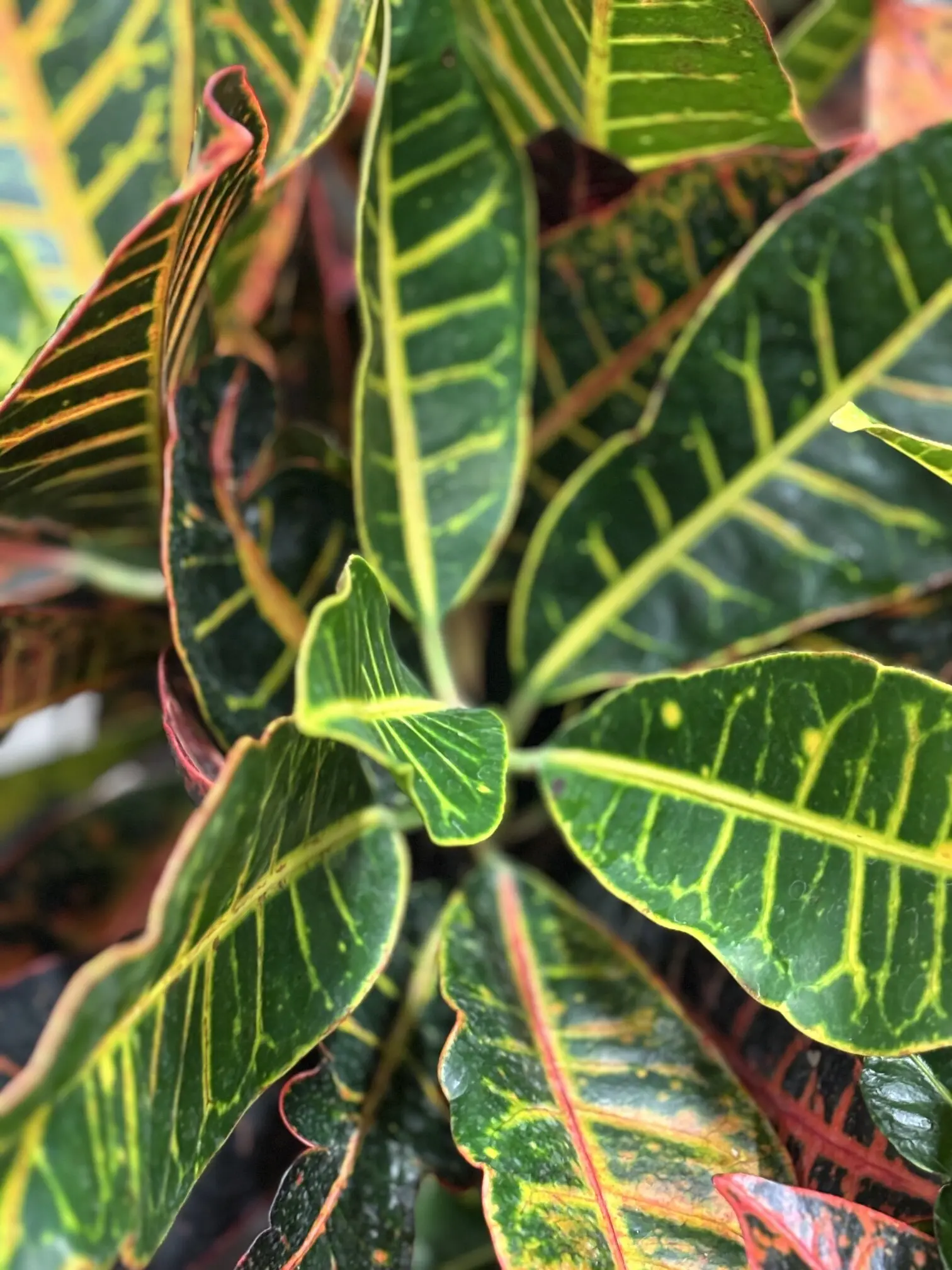
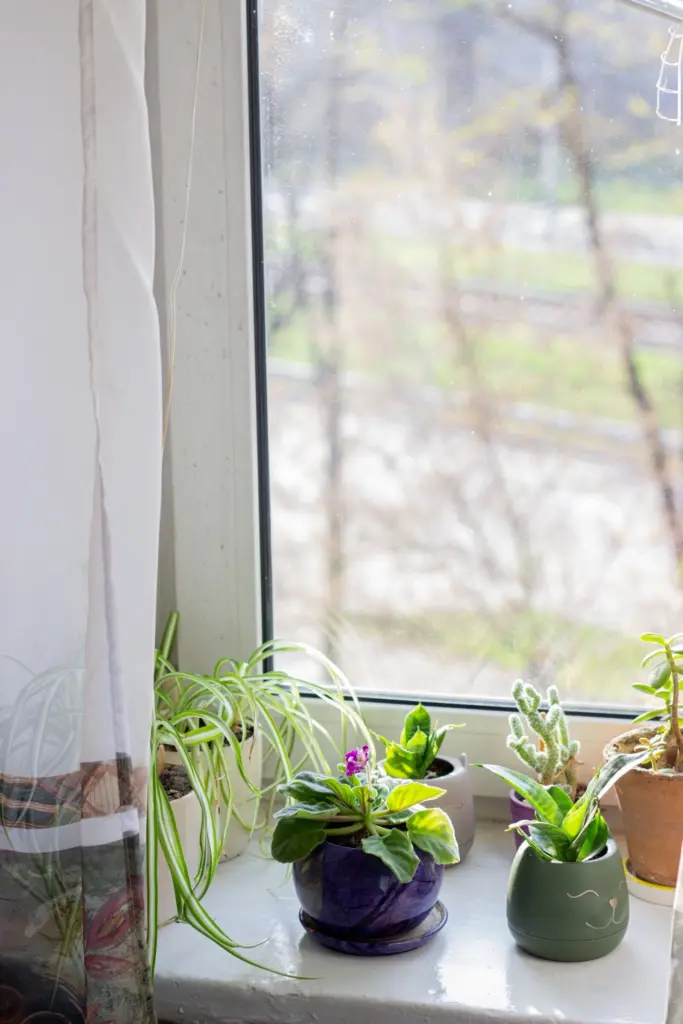
It wants bright, indirect light to maintain the color. Many people claim direct sunlight. I disagree. The leaves will scorch. It’s much more important that it gets 6-8 hours of bright, indirect light than direct light. You’ll know if it’s not getting enough light because the colors will fade to green. New leaves come in mostly green and yellow, and the reds and oranges develop as they mature in good light. A spot near an east-facing window, or a few feet back from a south or west window, works well.
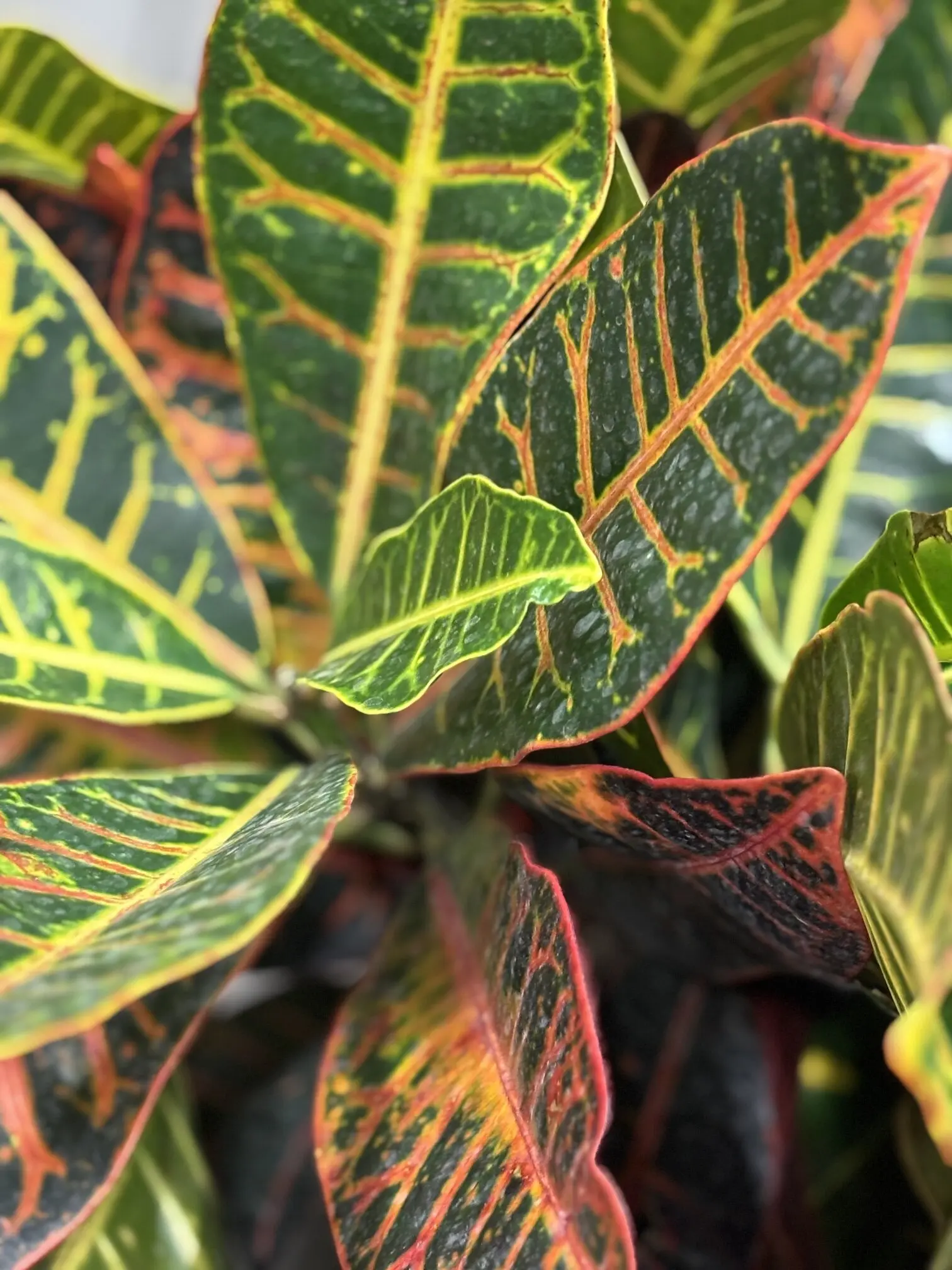
They don’t like drafts and won’t tolerate them. Keep them away from doors, heating and air conditioning vents, and cold windows in winter. Ideal temperature range: 60°F to 80°F. Below 50°F, they start to suffer.
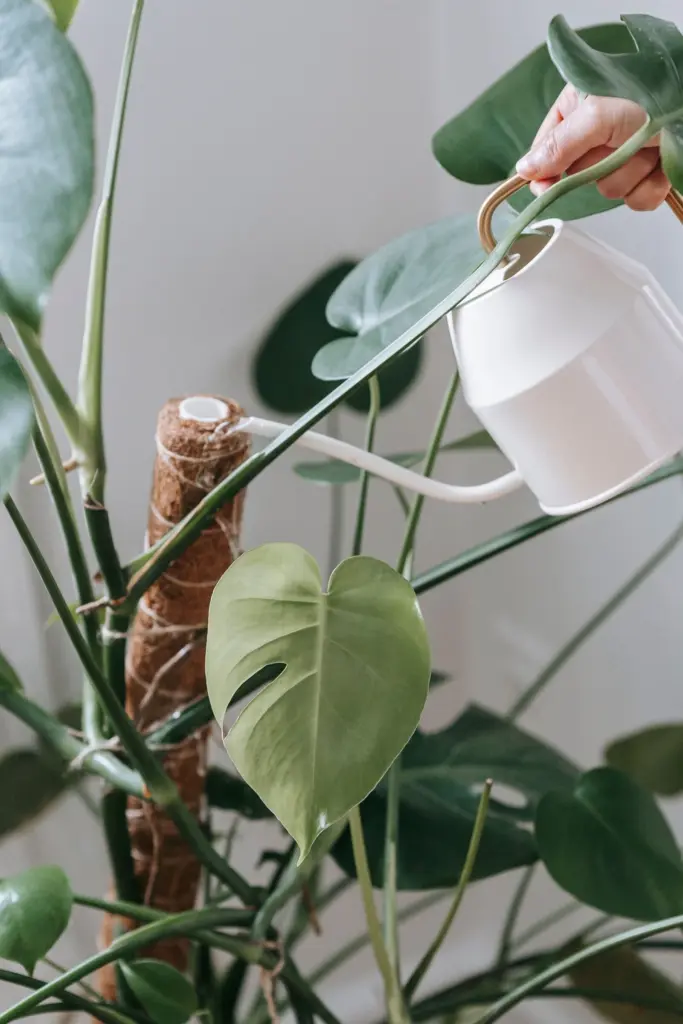
It’s particular when it comes to all its conditions. It likes deep, thorough watering, but touch test the soil first. You want dryness to the touch to be deeper than surface level, at approximately 3 inches in a larger pot. In a small pot, check the top inch or two. A moisture meter can help. It likes evenly moist soil, not soggy, and it doesn’t hold up well to the abuse of dry soil. Drooping leaves are often the first sign it’s thirsty. Water until it runs out the drainage holes, then empty the saucer so it isn’t sitting in water. Use room-temperature water, because cold water can shock it.
It requires well-draining soil, and a pot with drainage holes is a must. I used to put gravel at the bottom of the pot, but it turns out that doesn’t actually help drainage. Water doesn’t move easily from soil into a layer of gravel, so the wettest soil sits higher up, right where the roots are. Instead, use a quality potting mix with some perlite or orchid bark mixed in, and let the drainage holes do the work.
You can feed it a water-soluble fertilizer once a month from early spring through summer’s end. Skip it in fall and winter when growth slows.
They’re prone to getting a bit leggy, so you can prune them in spring or summer to keep them full. Cut just above a leaf node, and new growth will branch out from there. Wear gloves when you prune. Crotons have a milky sap that can irritate skin. The thick leaves also collect dust, so wipe them with a damp cloth every few weeks to keep them glossy.
Outdoors, Crotons make a big, bold statement in summer containers and garden beds. In zone 6a, wait until night temps stay above 55°F to 60°F before moving one outside. Outdoors it can handle some morning sun once it’s used to it, but ease it into the light over a week or two to avoid scorching, and give it afternoon shade. Bring it back in before nights drop below 55 degrees in fall. Expect a few leaves to drop when it comes inside. It’s adjusting, not dying.
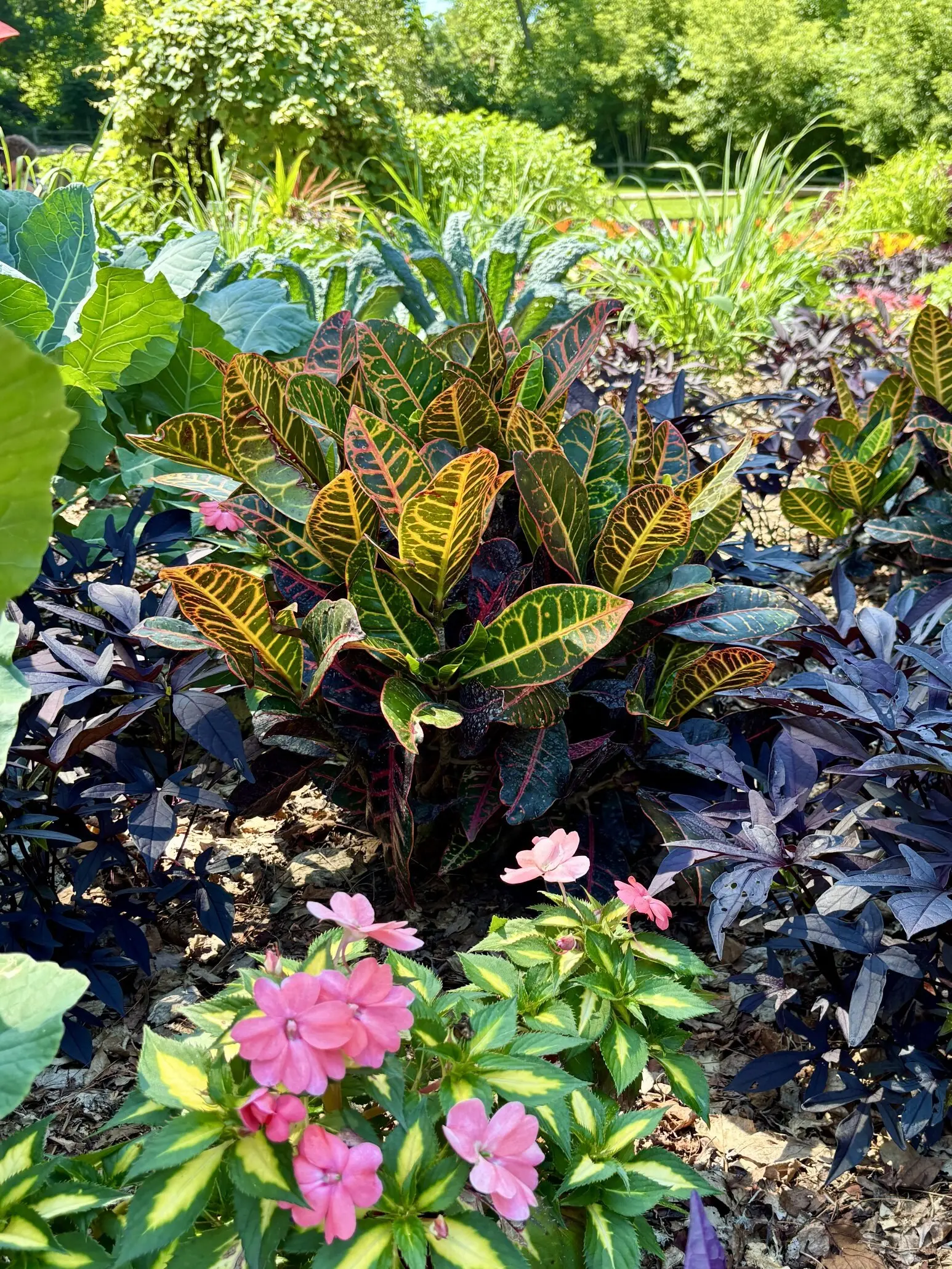
They hold their own next to other big tropicals, too. Pair them with canna, elephant ears, or lime and purple sweet potato vine for a lush, tropical look.
The most common problem indoors is spider mites, which love the warm, dry air in our homes. Look for fine webbing and tiny speckles on the leaves. Mealybugs (white cottony bits) and scale (small brown bumps on stems) can also show up. Treat with neem oil or insecticidal soap, and keep the humidity up, since mites hate humid air. Other signs to watch for: brown, crispy leaf edges mean the air is too dry, faded color means it needs more light, and sudden leaf drop usually means a draft, a cold snap, or a change in its spot.
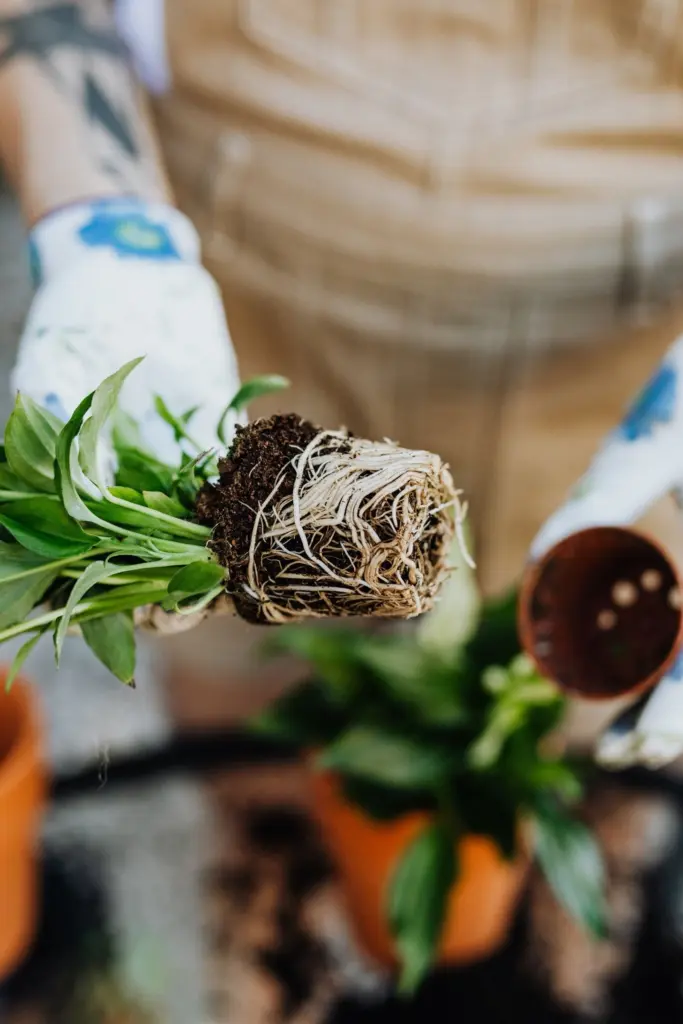
Repot every couple of years in spring, or when roots start circling the pot. Go up just one pot size, about 1-2 inches wider. Crotons don’t love being disturbed, so a little leaf drop after repotting is normal.
You can propagate Croton through stem cuttings. Take a 4-6 inch cutting with a few leaves, let the sap dry for a bit, dip the end in rooting compound, and plant it in moist soil. Keep it warm and humid, with a plastic bag loosely over the top, and roots should form in about a month. You can also root cuttings in water. Be patient. Crotons are slow to root.
Crotons are toxic to people and pets, so keep them out of reach of curious cats, dogs, and kids.
Rewarding plant, but I’d put it in the moderate care, enthusiastic beginner category. Once it settles in and you find its happy spot, try not to move it.
| Common Name | Croton, Gold Petra or Petra Croton |
|---|---|
| Botanical Name | Codiaeum variegatum ‘Petra’ |
| Family | Euphorbiaceae |
| Mature Size | 3-8 ft. tall, 3-6 ft. wide outdoors; 2-4 ft. indoors |
| Sun | Bright, Indirect |
| Soil | Moist, well-drained, Acidic |
| Native Area | Southeast Asia and the Pacific Islands |
| Toxicity | Toxic to humans and pets |