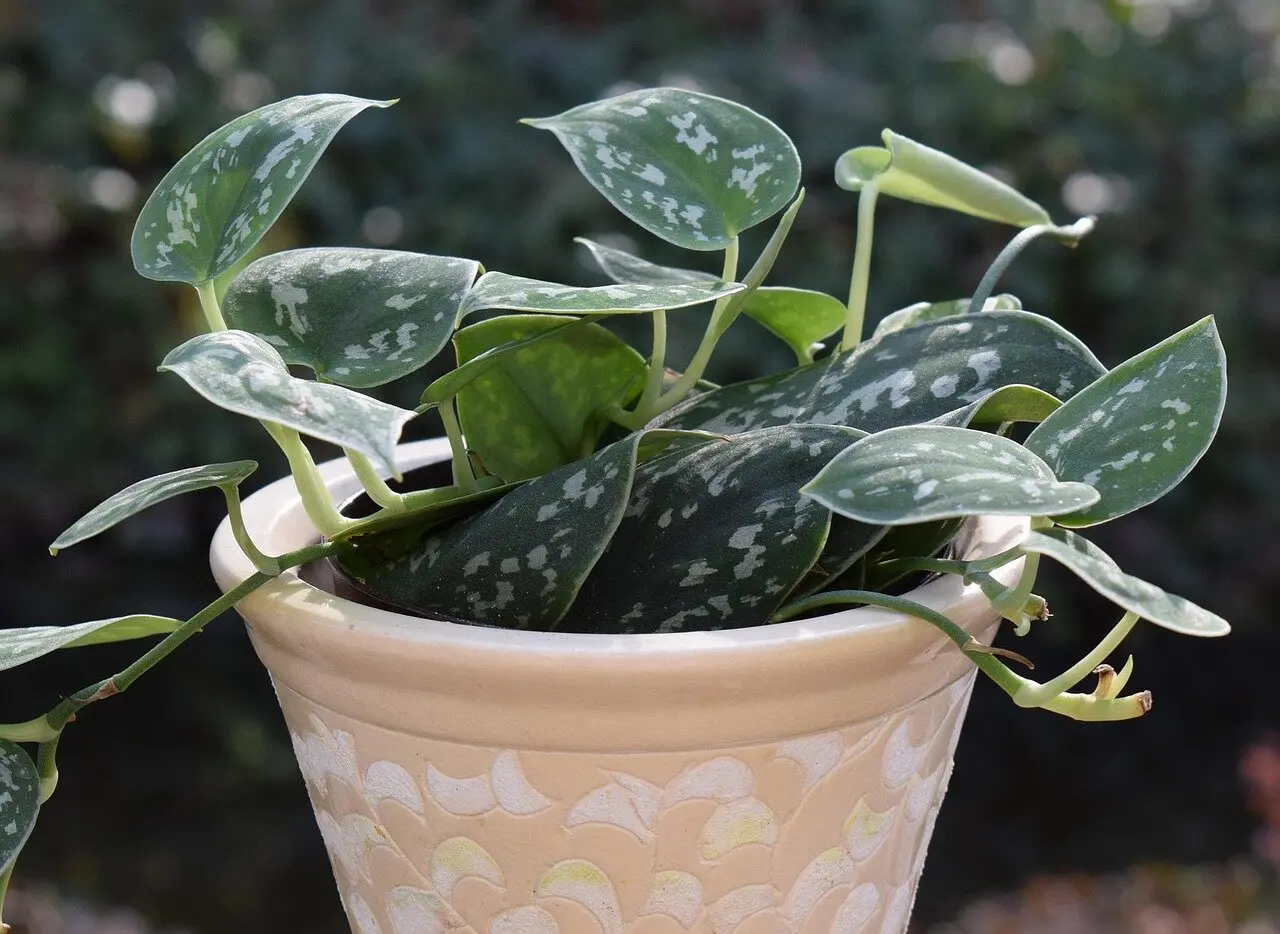
Satin Pothos, also known as Silver Pothos or Silver Philodendron, is a trailing vine with matte, heart-shaped leaves splashed with silver. Here’s the funny thing: it isn’t a pothos or a philodendron at all. Its botanical name is Scindapsus pictus. It’s in the same family (Araceae) as pothos, but it’s a cousin, not a sibling. The care is similar, though, so the nickname stuck. The leaves have a soft, velvety texture and a sheen that catches the light, which is where the “satin” comes from. Popular varieties include ‘Argyraeus,’ with small silver spots, and ‘Exotica,’ with big silver splashes. It’s a tropical plant, hardy only in zones 10-12, so for most of us it’s a houseplant all year.
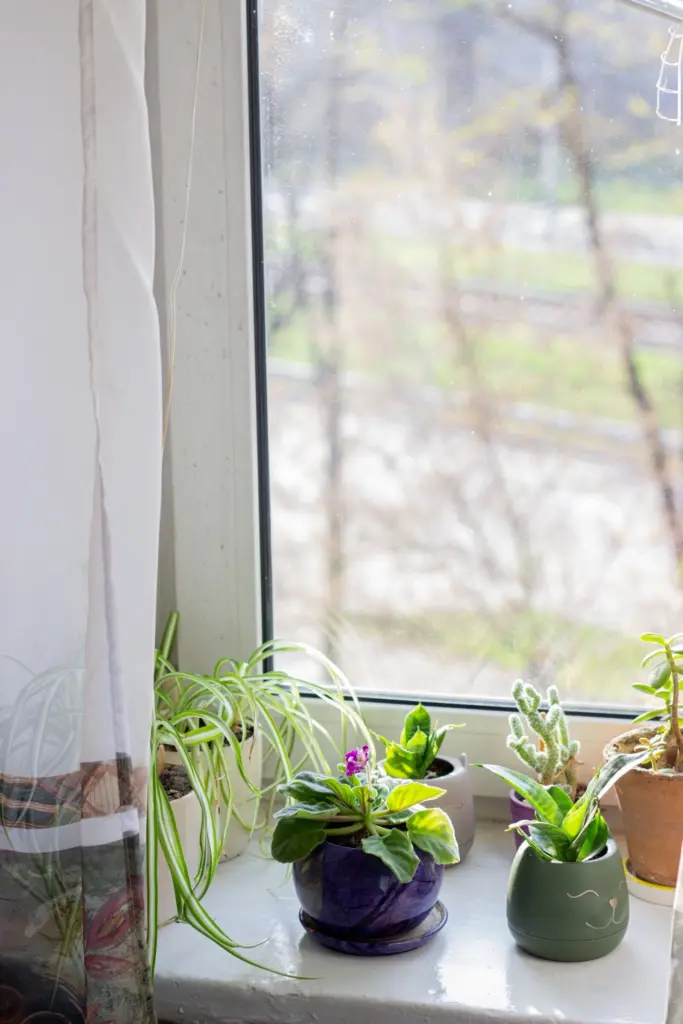
It wants medium to bright, indirect light. It will tolerate lower light, but growth slows, the vines get long and bare between the leaves, and the silver markings can fade. Keep it out of direct sun, which scorches the leaves. An east-facing window or a spot a few feet back from a sunny window is ideal.
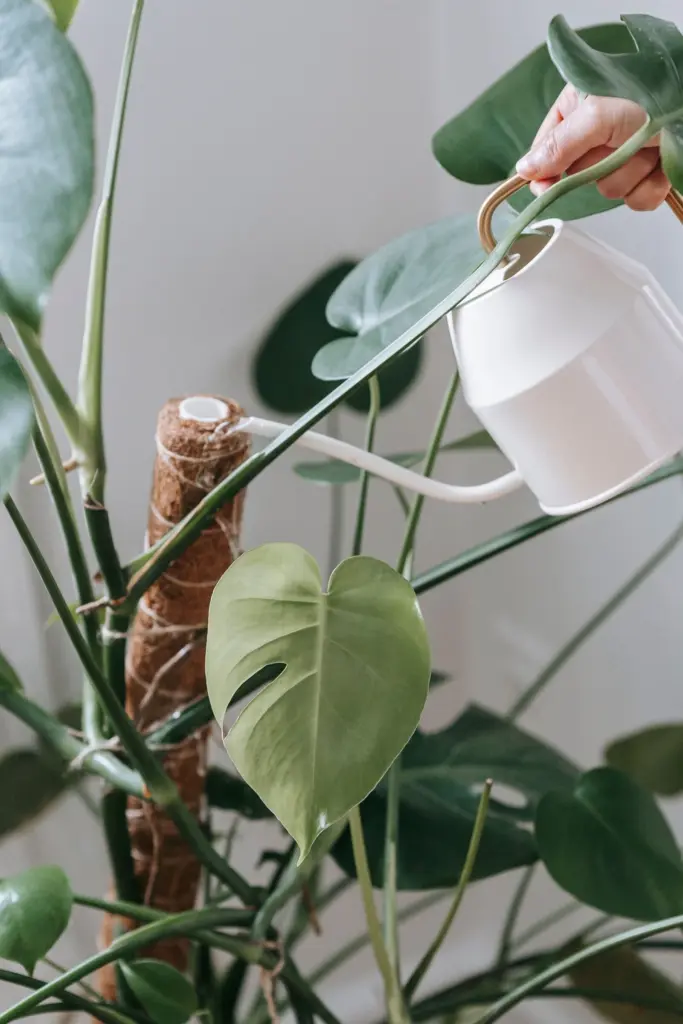
Water when the top inch or two of soil is dry. This one does something handy: the leaves curl inward when it’s thirsty. Water thoroughly and they’ll flatten back out within a day. Don’t wait for it to curl every time, though. Repeated dry spells lead to crispy edges. Overwatering is the bigger danger. Soggy soil leads to yellow leaves and root rot, so let the pot drain and empty the saucer.
It’s happiest at 65°F to 85°F. Keep it away from cold drafts and heating vents. Anything below 60°F slows it down. It likes humidity, but average household humidity is usually fine. In winter, when the heat is running, a pebble tray or humidifier will keep the leaf edges from browning. Grouping it with other plants helps, too.
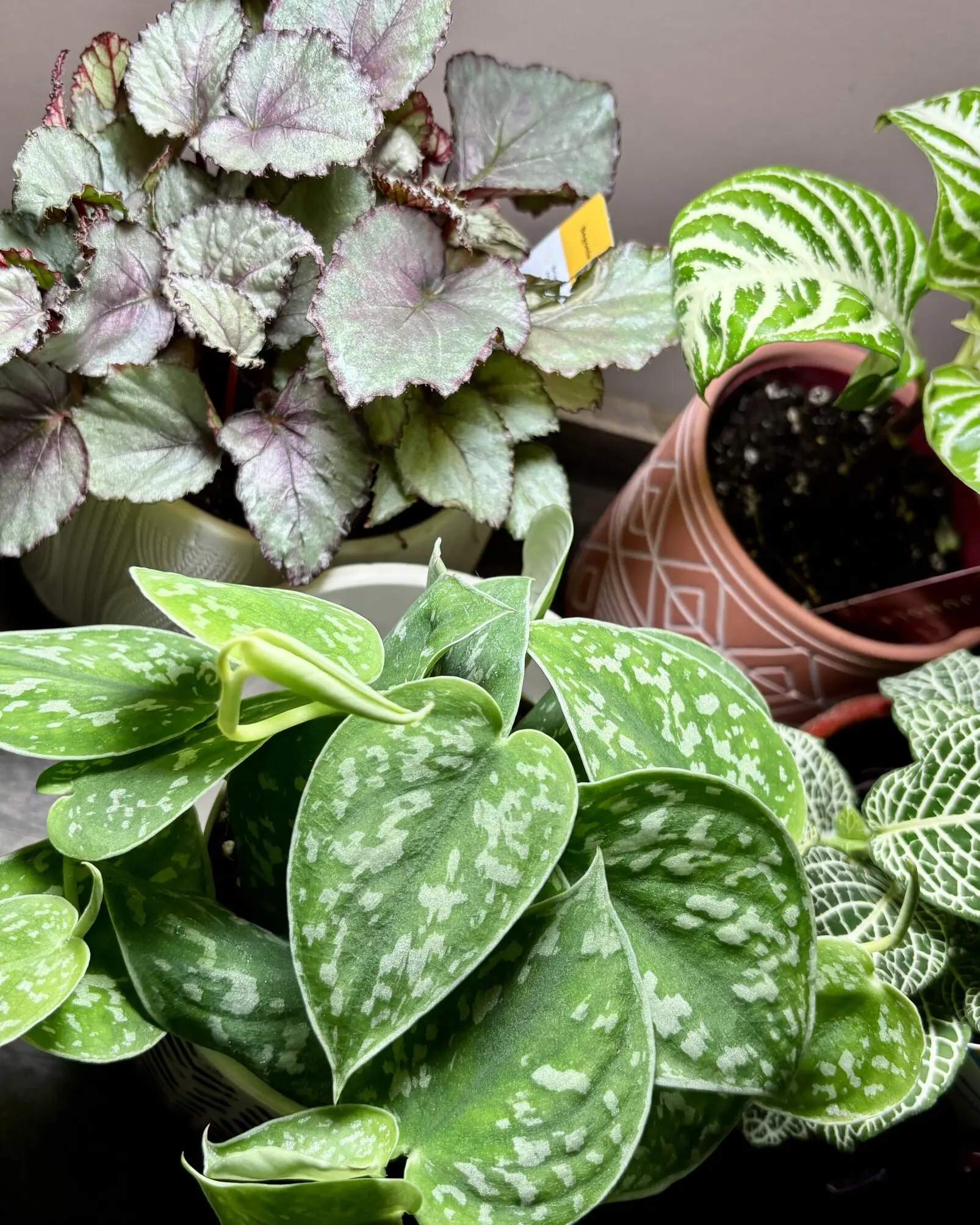
Use a well-draining potting mix. Regular potting soil with some perlite or orchid bark mixed in works well, and a pot with drainage holes is a must. Feed it a water-soluble fertilizer monthly in spring and summer, and skip it in fall and winter.
It’s a natural climber and trailer. Let it spill from a hanging planter or the edge of a shelf, or give it a moss pole or small trellis to climb. Climbing plants tend to grow bigger leaves. If the vines get long and leggy, trim them back just above a leaf. That keeps the plant fuller, and you can use the trimmings for propagation.
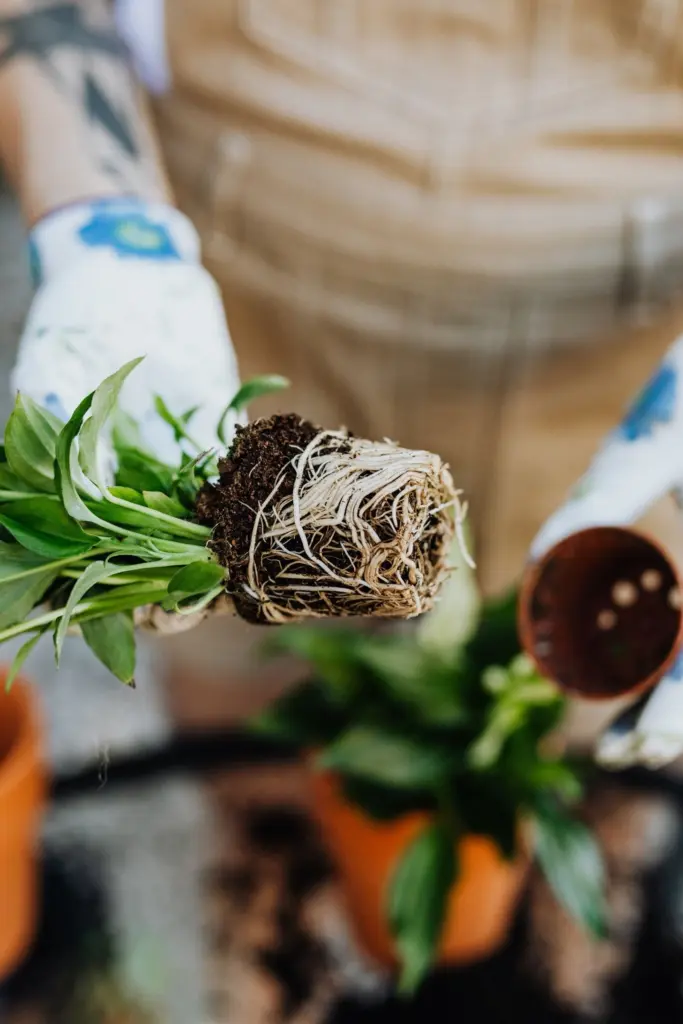
It’s one of the easiest plants to propagate. Cut a piece of vine with at least one node, the bump on the stem where a leaf grows. Place it in water with the node submerged and the leaves out of the water. Change the water every few days. Roots usually show up in a few weeks. Once they’re a couple of inches long, pot it up. You can also tuck several rooted cuttings back into the same pot to make it look fuller.
Most problems come back to water or light. Curling leaves mean it’s thirsty. Yellow leaves usually mean too much water. Brown, crispy edges mean dry air or the soil dried out too much. Small leaves and long bare vines mean it needs more light. Watch for spider mites (fine webbing under the leaves), mealybugs (white cottony bits), and scale (small brown bumps on the stems). Neem oil or insecticidal soap takes care of all three.
Repot every year or two in spring, when roots start circling the pot or poking out the drainage holes. Go up just one pot size. It grows slower than golden pothos, so it doesn’t need repotting often.
It’s toxic to people and pets if eaten, so keep it out of reach of curious cats and dogs. A hanging planter is a good solution.
Easy, forgiving, and it tells you when it’s thirsty. I’d put it in the beginner-friendly category, a perfect first plant or a great next step after golden pothos.
| Common Name | Satin Pothos, Silver Pothos, Silver Philodendron |
|---|---|
| Botanical Name | Scindapsus pictus |
| Family | Araceae |
| Mature Size | Vines 3-10 ft. indoors |
| Sun | Medium to bright, Indirect |
| Soil | Moist, well-drained, Slightly acidic |
| Native Area | Southeast Asia |
| Toxicity | Toxic to humans and pets |