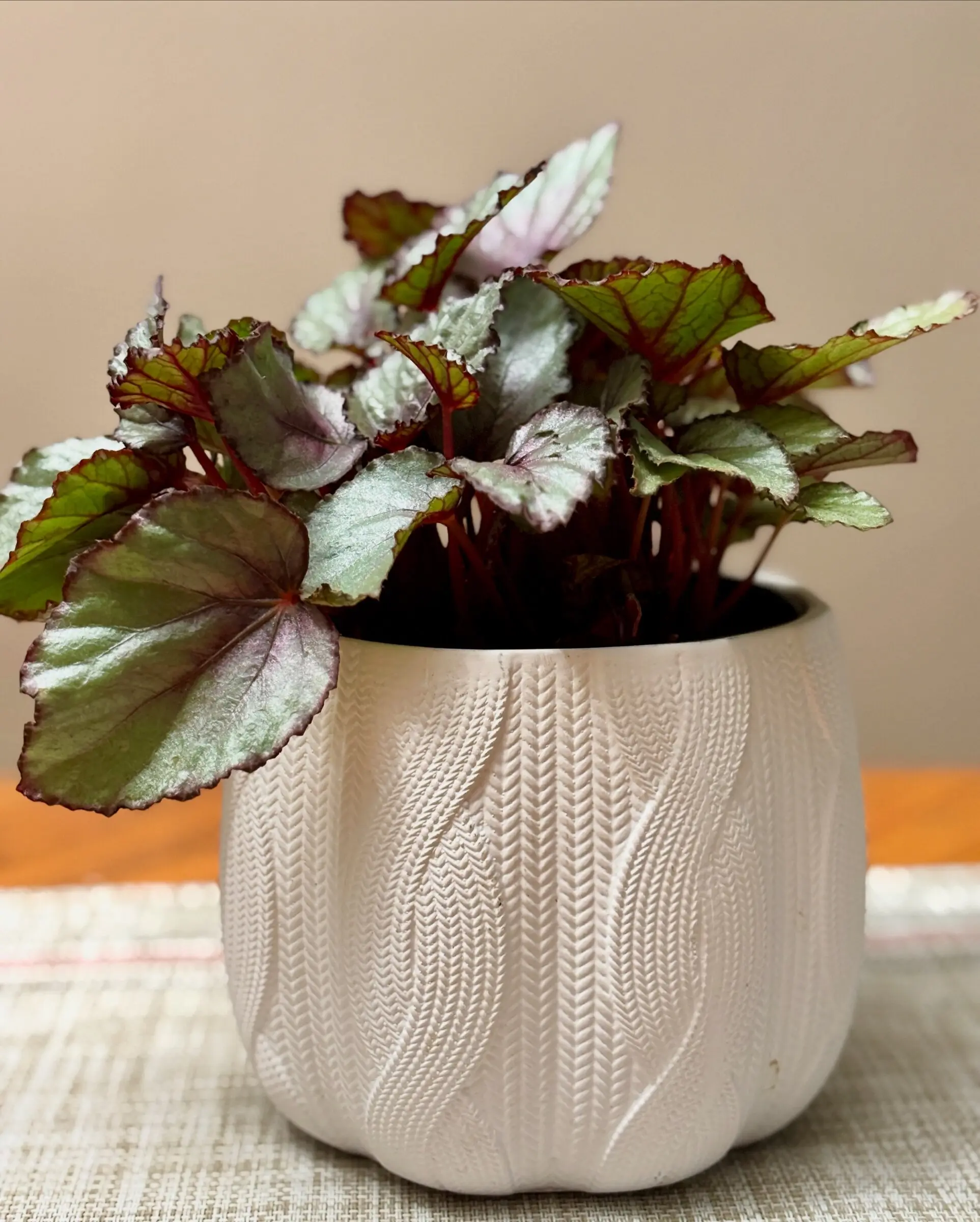
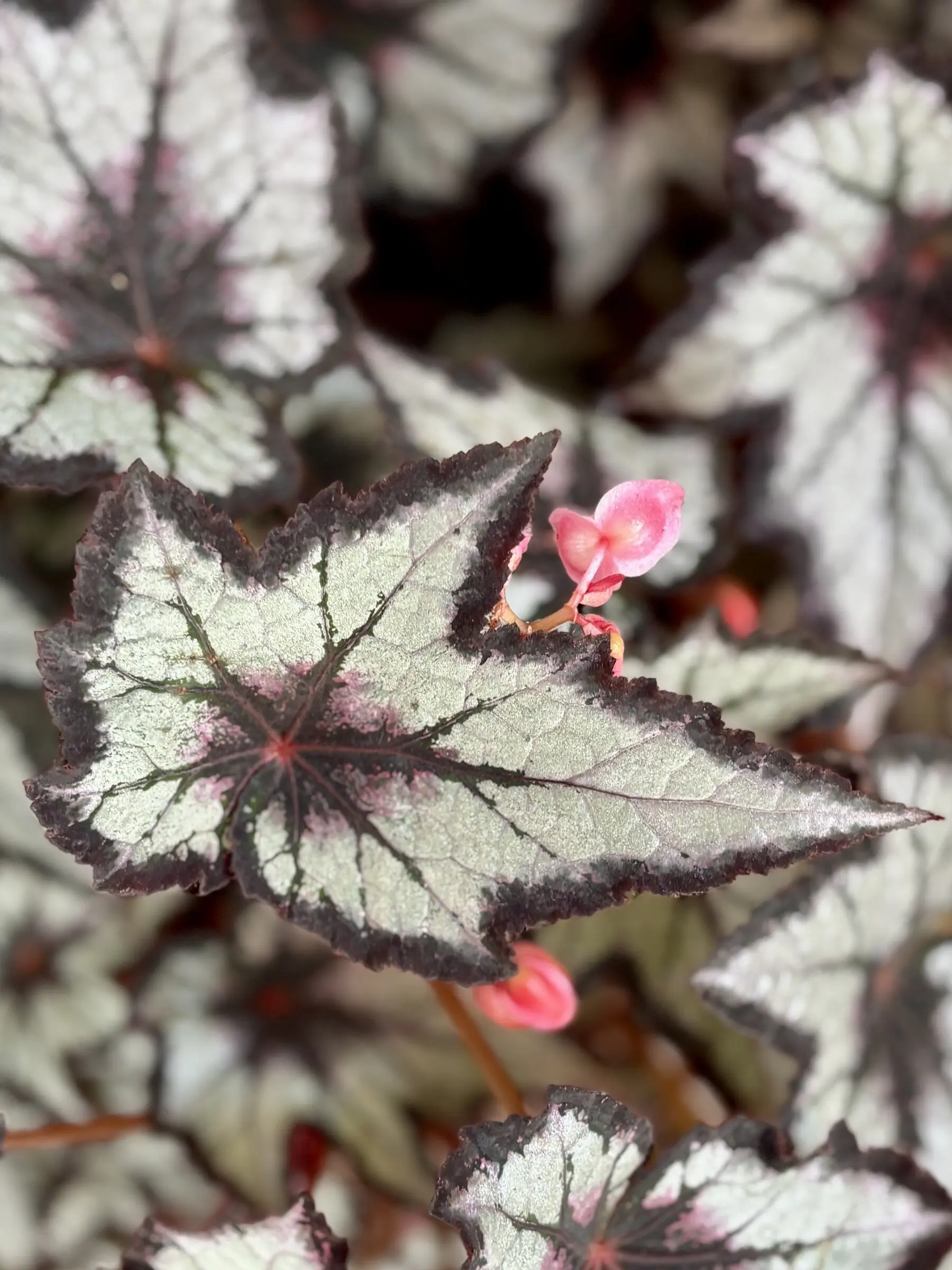
Rex Begonia, also known as Painted-Leaf Begonia, has striking foliage. The leaves come in a variety of colors, from silver and deep purple to pink, red, and green, often swirled together on one leaf, with varying leaf shapes. Some even spiral like a snail shell. They’re moderately easy (read: Not super easy indoors) to care for and offer pops of color to an indoor space or an outdoor garden, porch, or patio.
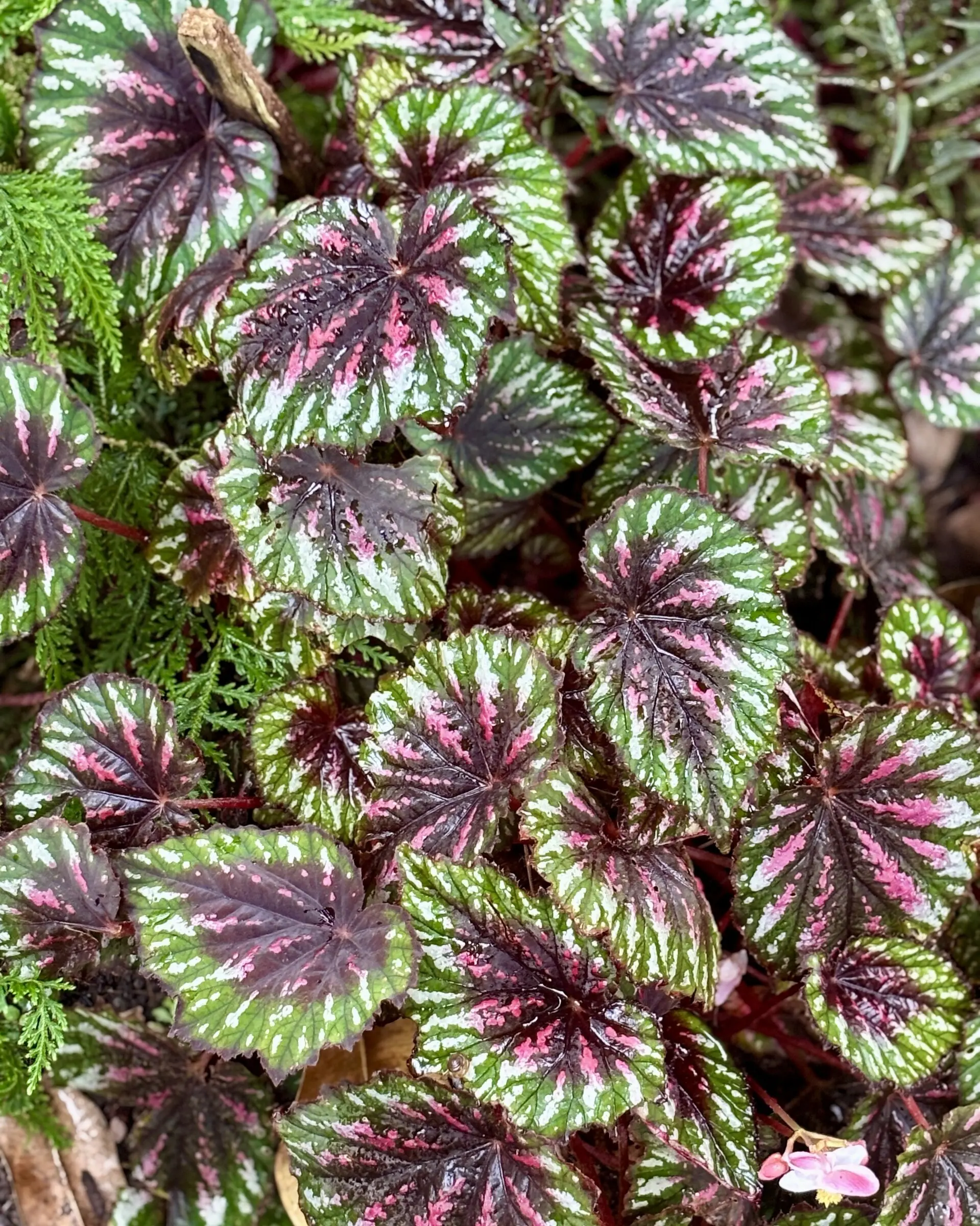
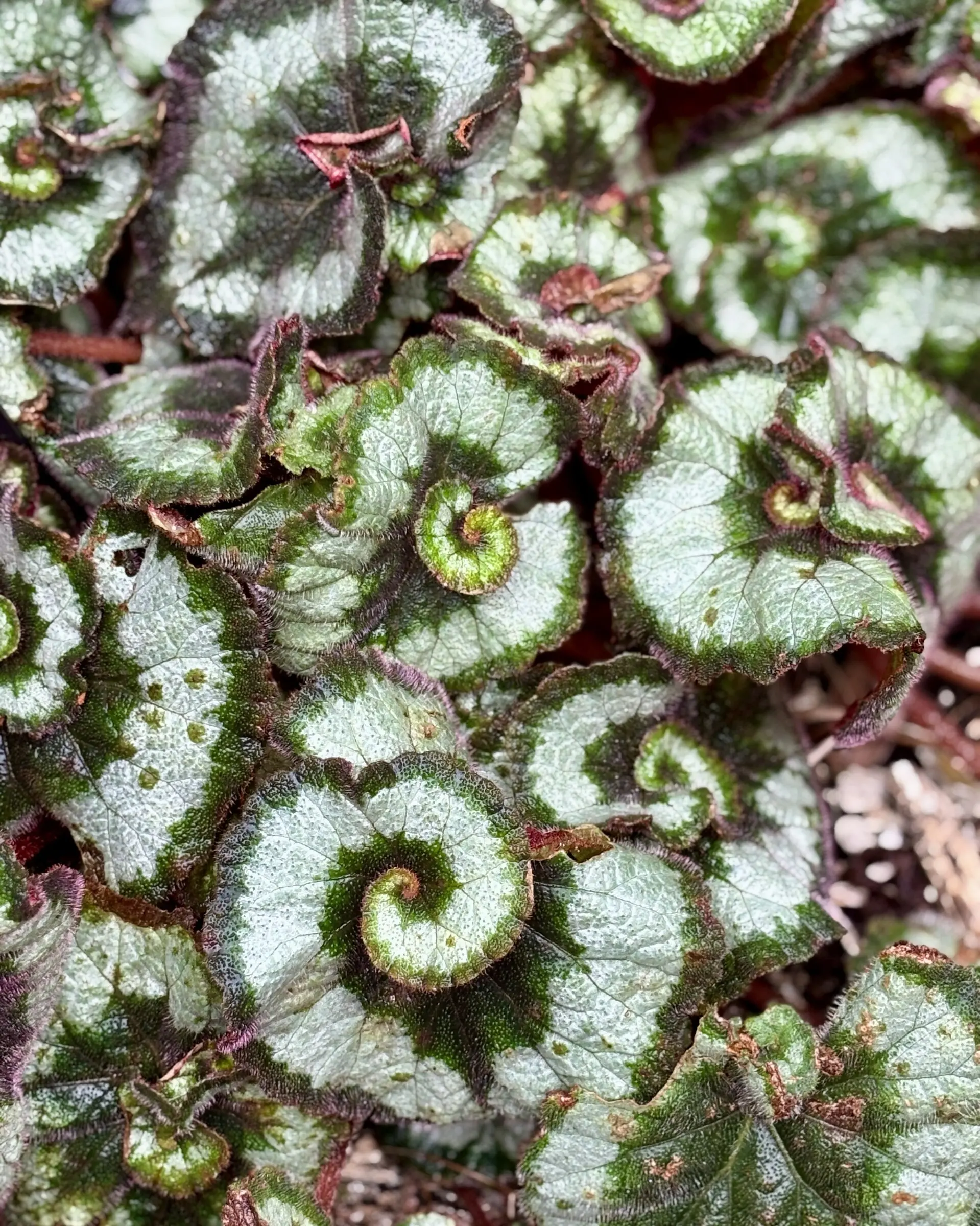
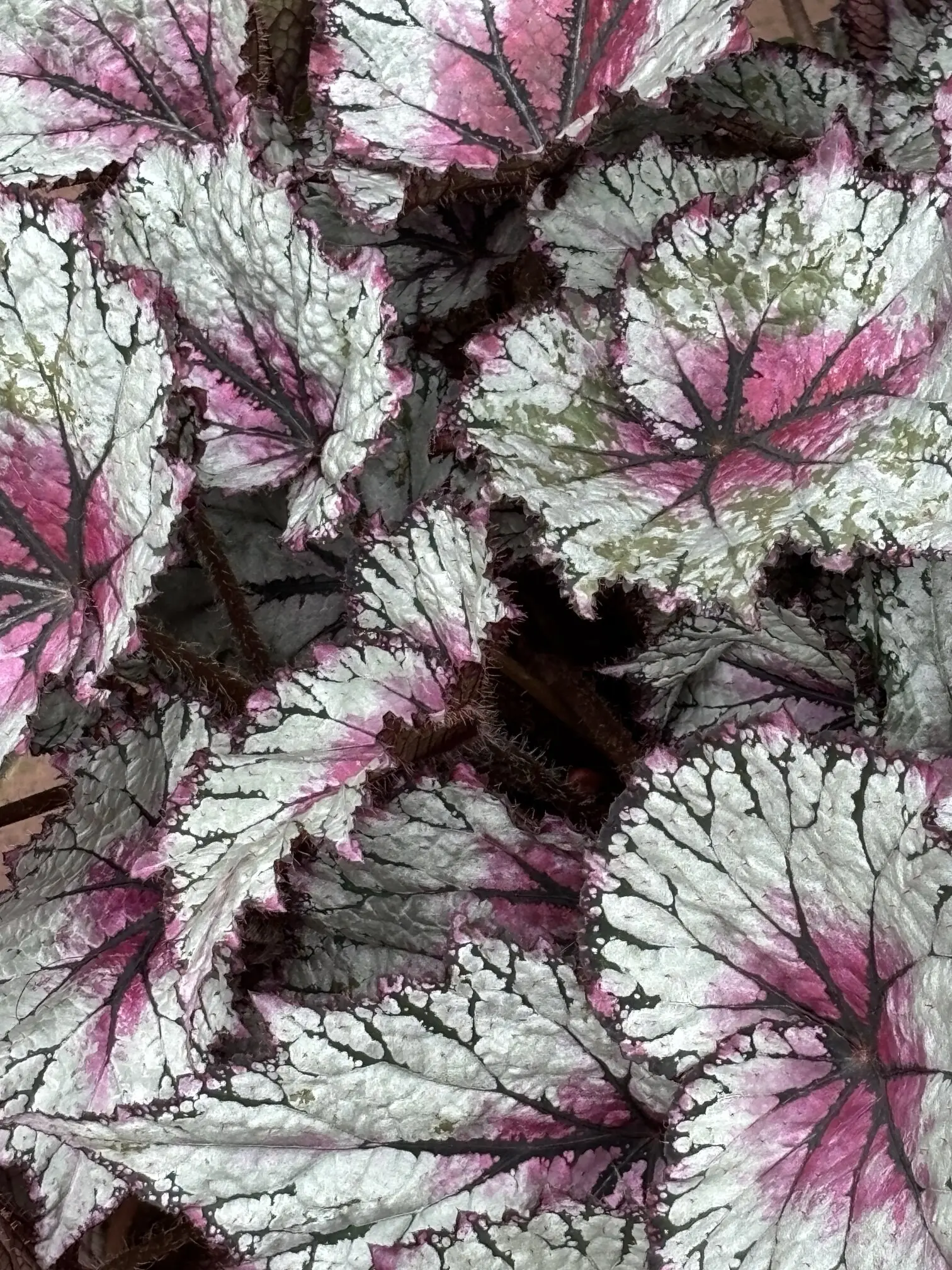
They do bloom, with small pink or white flowers, but the leaves are the real show. Some growers pinch off the flowers so the plant puts its energy into foliage. I leave them. They’re cute.
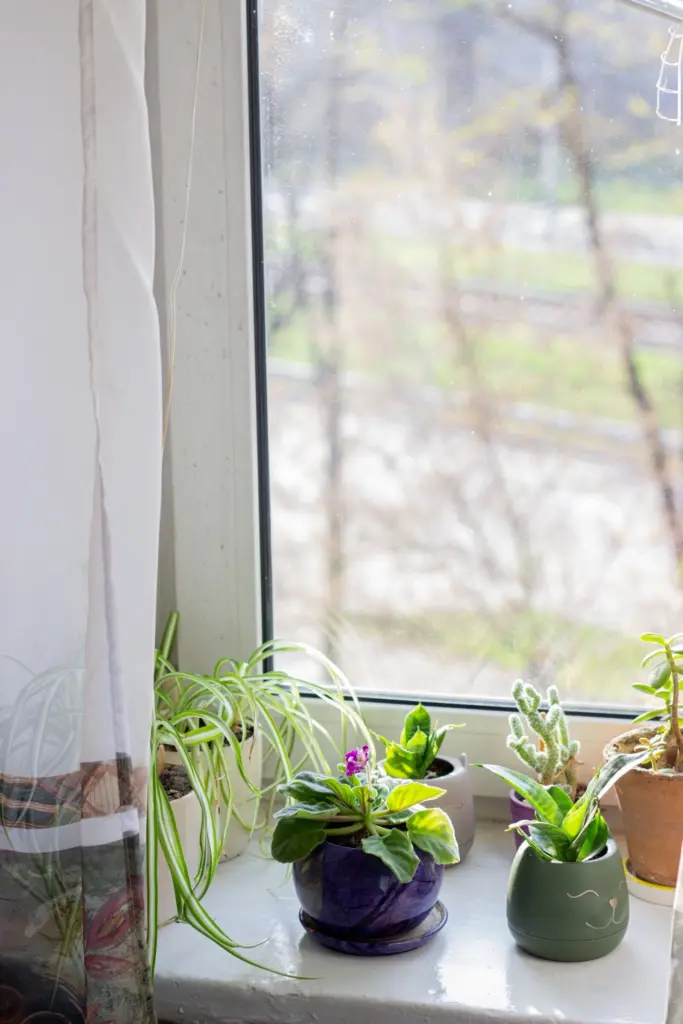
They need moderate to bright indirect light. An east-facing window or a few feet back from a south or west window is ideal. Keep them out of direct sun, which scorches the leaves and fades their colors. Too little light, on the other hand, makes the colors dull and the stems stretch out. If your plant starts leaning toward the window, give it a quarter turn every week or so to keep it growing evenly.
Water weekly and allow the top surface of the soil to feel dry to the touch (partially dry, not bone dry) between waterings. Water at the soil level and try to keep the leaves dry. Rex Begonias have shallow, fine roots, so they don’t like sitting in soggy soil. Empty the saucer after watering. In winter, when growth slows, you’ll likely need to water less often.
They prefer high humidity, but I would not mist because they’re prone to mildew and rotting. A pebble tray or a small humidifier works much better. Grouping plants together also raises the humidity around them. Aim for 50% humidity or higher.
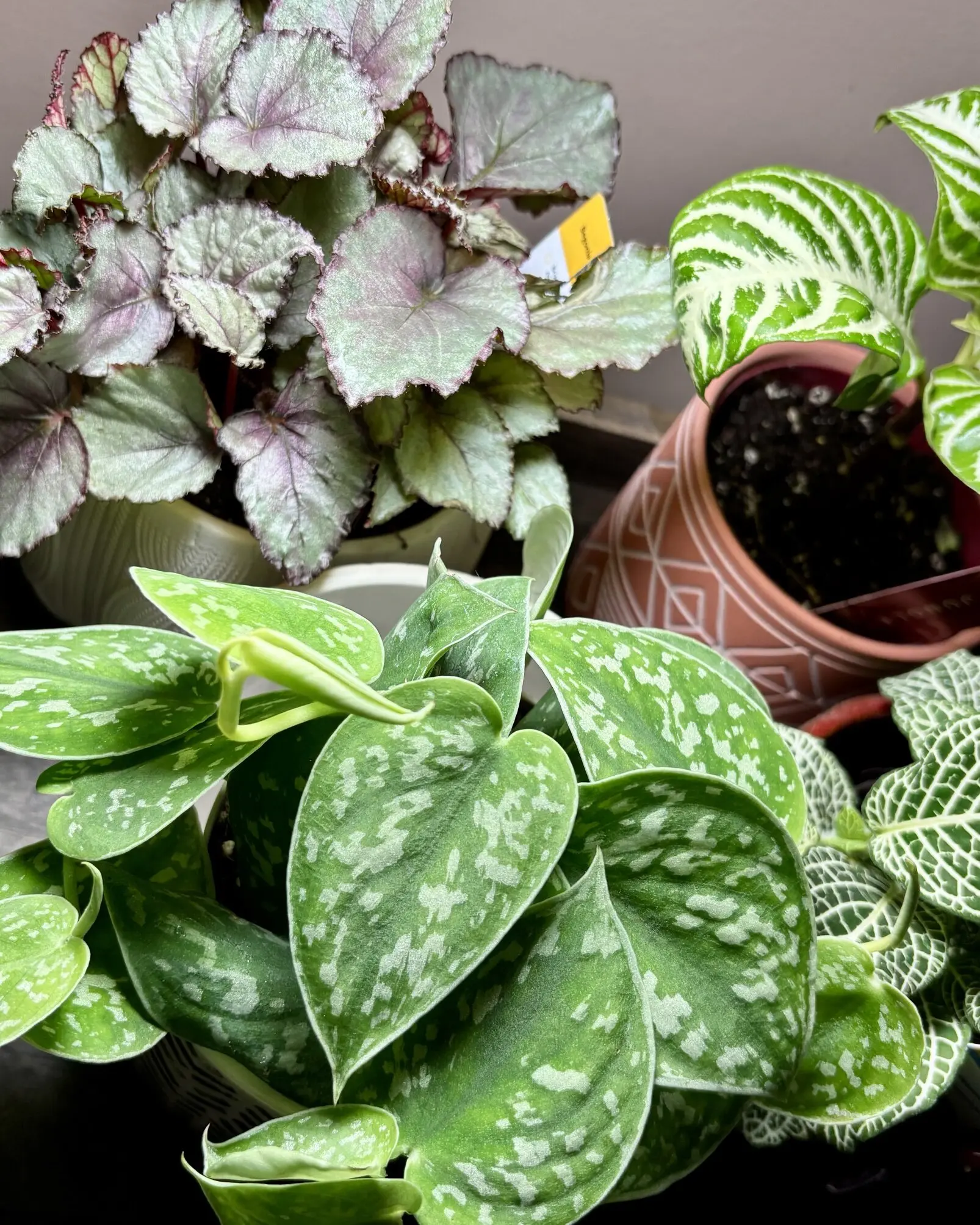
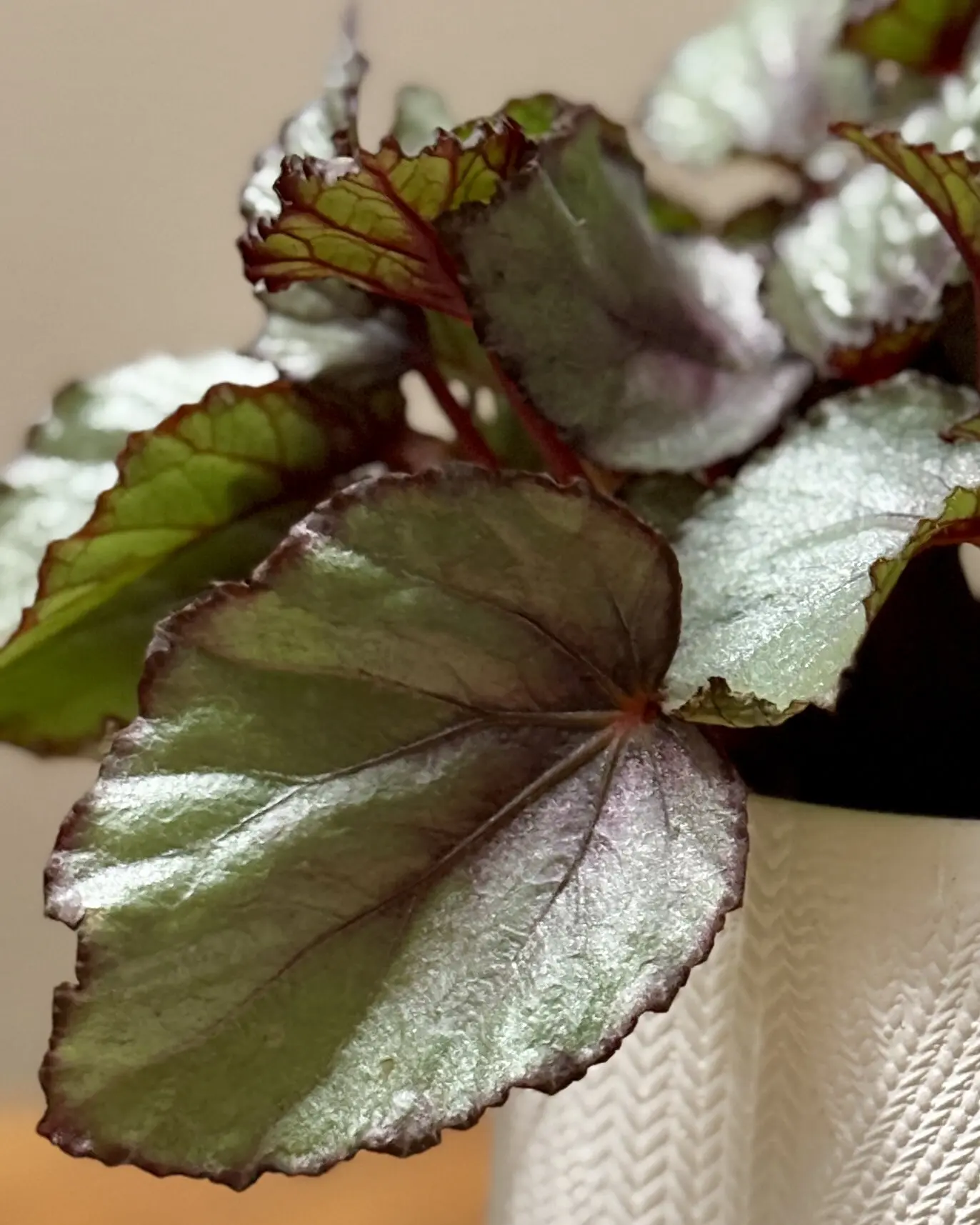
They are happiest at 65°F to 75°F. If you’re cold, they’re cold. 😉 Keep them away from cold windows, drafts, and heating vents.
Most common problems are due to overwatering that rots the plant or underwatering which dries it out and makes the leaves look soft. This can be tricky if you’re new to caring for plants. They are a bit particular. It’s also sad because they can go downhill quickly if overwatered. If the stems look mushy at the soil line or the leaves collapse even though the soil is wet, that’s rot. Take cuttings from the healthy leaves to start over.
Another problem is mealybugs, which are easily treated with neem oil. Also watch for spider mites (fine webbing under the leaves) and thrips (silvery streaks). Powdery mildew shows up as a white, dusty coating on the leaves. Remove the affected leaves, improve air circulation, and avoid getting water on the foliage. Crispy brown leaf edges usually mean the air is too dry.
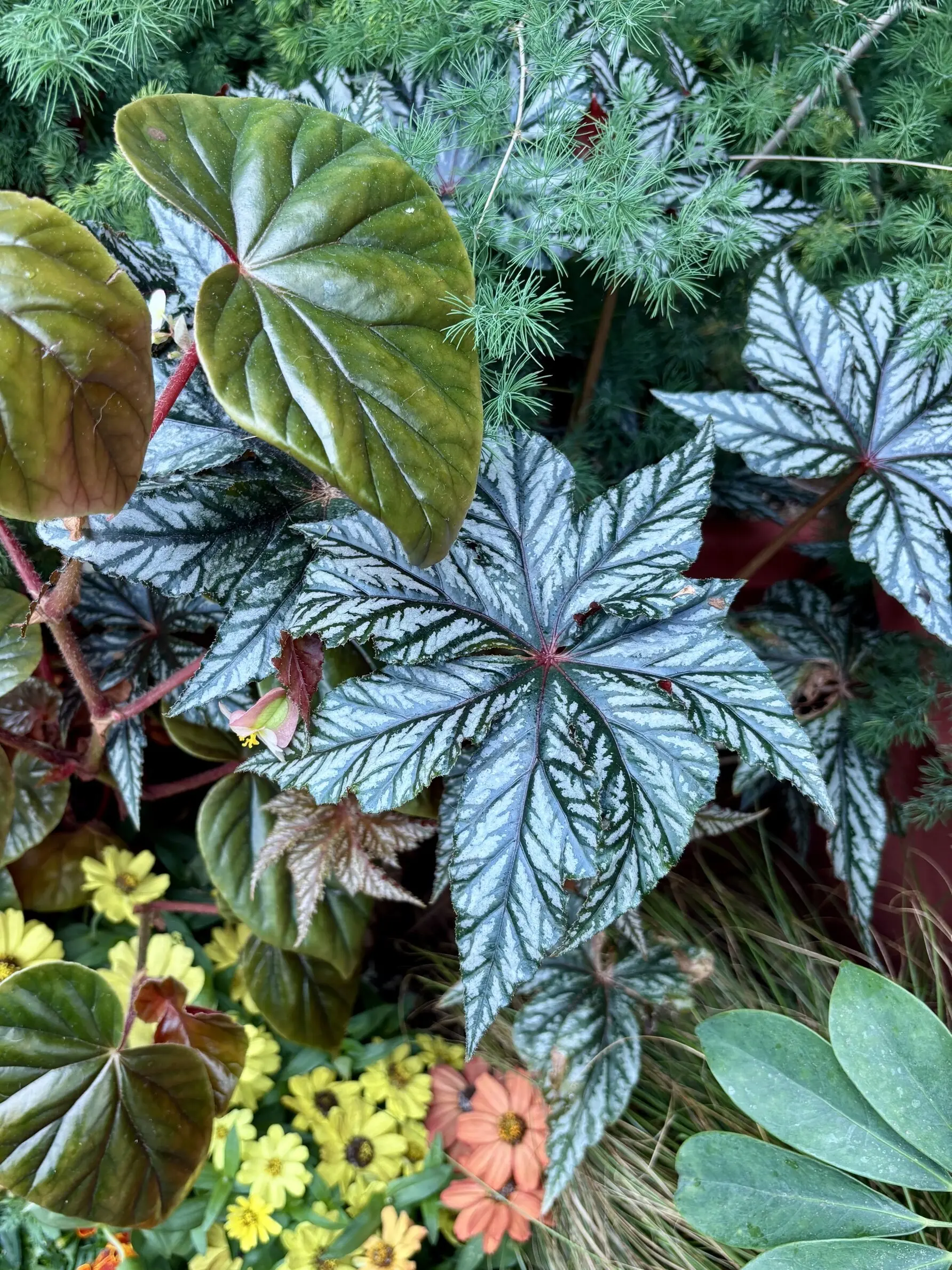
They’re perennials only in zones 10-12, because they can’t handle frost. Most of us can grow them outdoors in summer, but they should be brought indoors when temps dip below 60 (I’m zone 6a). Treat them as annuals that can be brought indoors. This makes them wonderful container plants, or you can use them in hanging planters outdoors, in a shady spot. They pair well with other shade lovers like ferns, and the silver leaves really glow next to bright flowers.
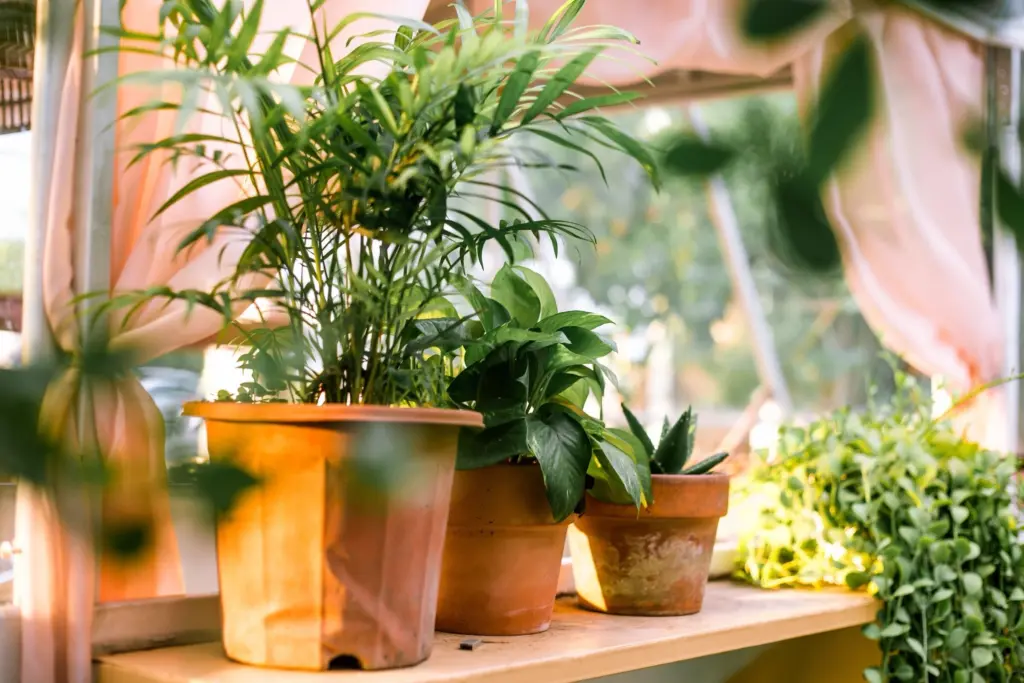
I recommend terra cotta pots for these. Terra cotta breathes and wicks away extra moisture, which helps prevent rot. Because their roots are shallow, a wide, shallow pot works better than a deep one. Use a light, well-draining, slightly acidic mix, such as an African violet mix or potting soil with added perlite. They like to be a little snug, so repot only when roots fill the pot, usually every year or two in spring, going up just one pot size.
You can feed a water-soluble fertilizer, diluted to half strength, once every couple of weeks, and stop when growth slows down in fall. Some Rex Begonias rest in winter and drop a few leaves. Don’t panic. Cut back on water, skip the fertilizer, and new growth should return in spring.
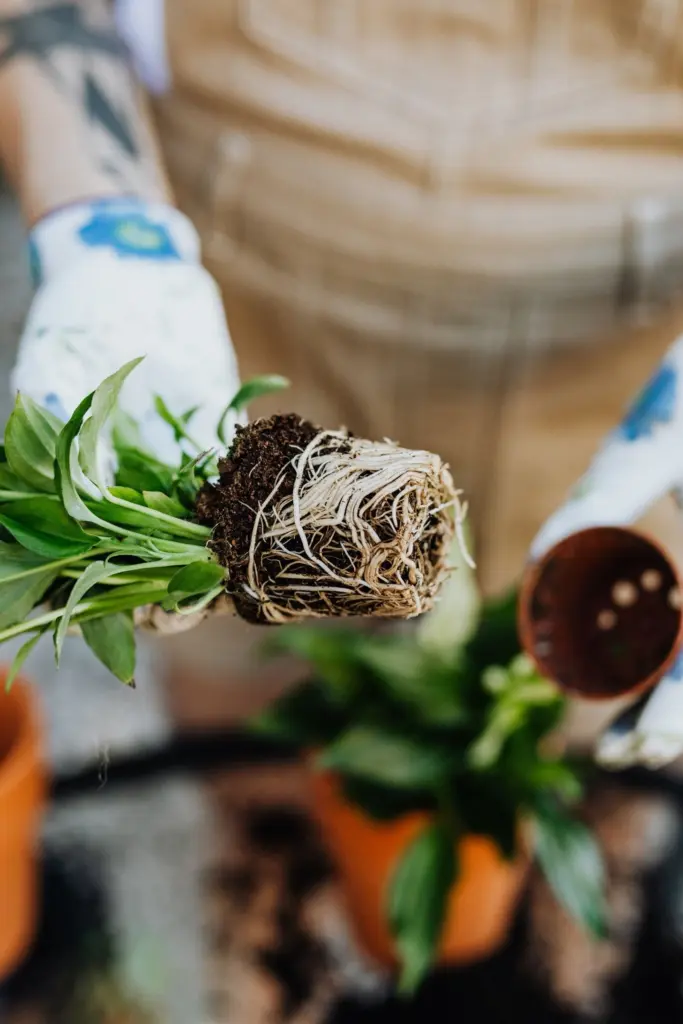
They’re easily propagated through leaf cutting or division. A stem with a leaf cutting can be placed in water, or make small cuts on the underside of the main veins of a leaf and lay the leaf in moist soil. Cover with plastic to keep the humidity up. Some people use toothpicks or fern pins to ensure the leaf is touching the soil due to the texture of the leaf. New baby plants will sprout where you made the cuts. You can also cut a leaf into wedges, each with a piece of main vein, and stand them in moist soil. To divide, gently separate a larger plant at the roots into smaller clumps when you repot.
Begonias are toxic to pets, so keep them out of reach of cats and dogs. The roots and stems are the most toxic parts.
With a little attention to water and humidity, they’re worth the effort. I’d put them in the moderate care category, a good choice once you have a few easier plants under your belt.
| Common Name | Rex Begonia, Painted-Leaf Begonia |
|---|---|
| Botanical Name | Begonia rex-cultorum |
| Family | Begoniaceae |
| Mature Size | 12-18 in. tall and wide |
| Sun | Bright to medium, Indirect |
| Soil | Light, well-drained, Acidic |
| Native Area | Asia (India) |
| Toxicity | Toxic to pets |