
Why divide in fall
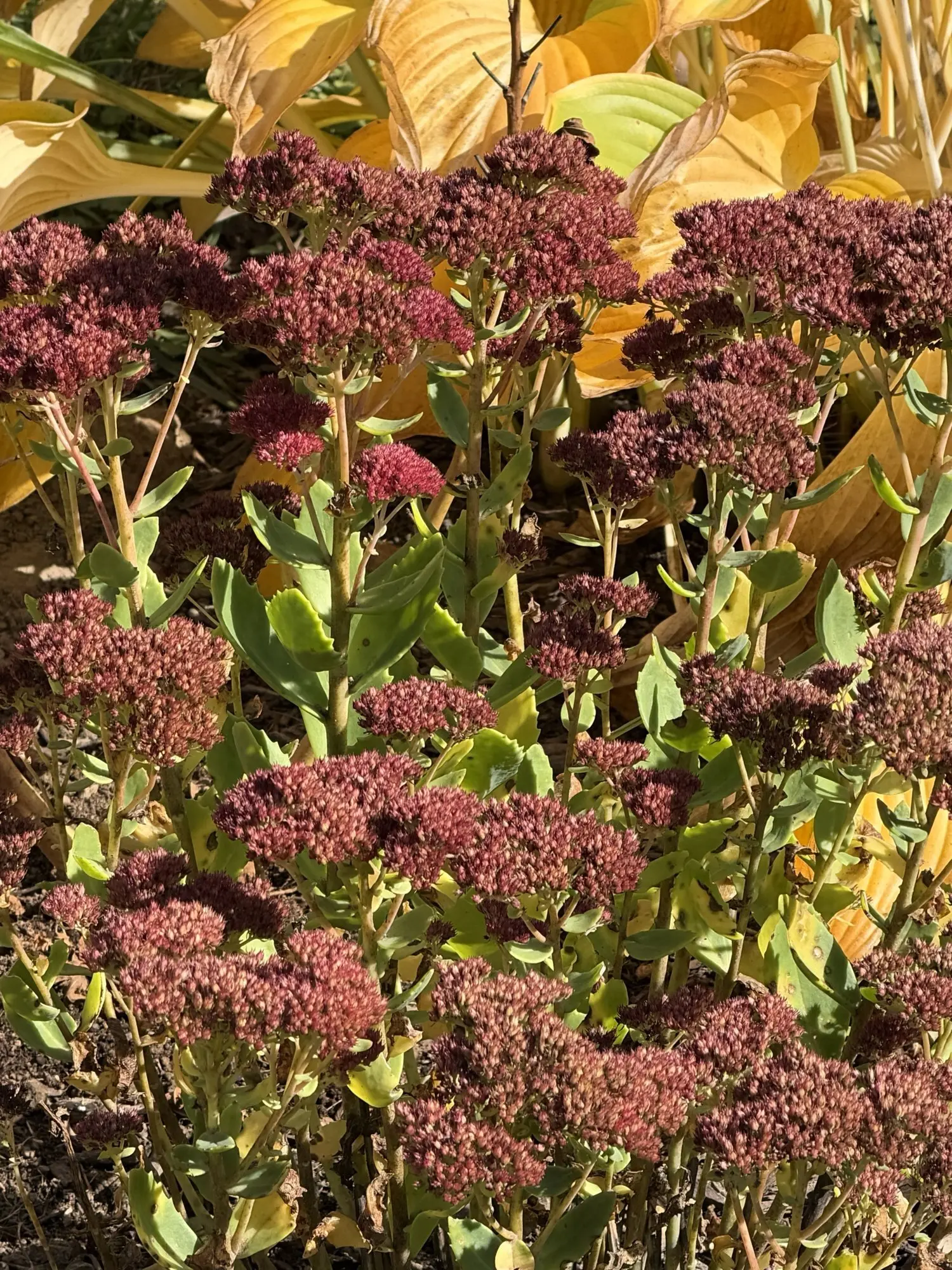
Fall is a good time to divide perennials that bloom in spring and summer, as long as you finish four to six weeks before the ground freezes. Soil is still warm, so roots keep growing, and cooler air means less stress on the leaves. Dividing also fixes the common problems of aging clumps: smaller flowers, a bare or dead center, and weak growth. As a bonus, every division is a free plant for another bed or a friend.
The usual rule of thumb is to divide spring and summer bloomers in fall, and fall bloomers in spring. Hosta, daylily, peony and bearded iris all fit the fall window. Sedum ‘Autumn Joy’ is the exception, and we explain why below.
Signs it’s time to divide
Healthy, blooming plants can be left alone. Divide when you see:
- Smaller or fewer flowers than usual
- A hollow or dead center in the clump
- Sparse, weak growth at the base
- Overcrowding, which reduces bloom size and vigor
- A clump that has outgrown its spot, or that you want more plants from
When and how to divide
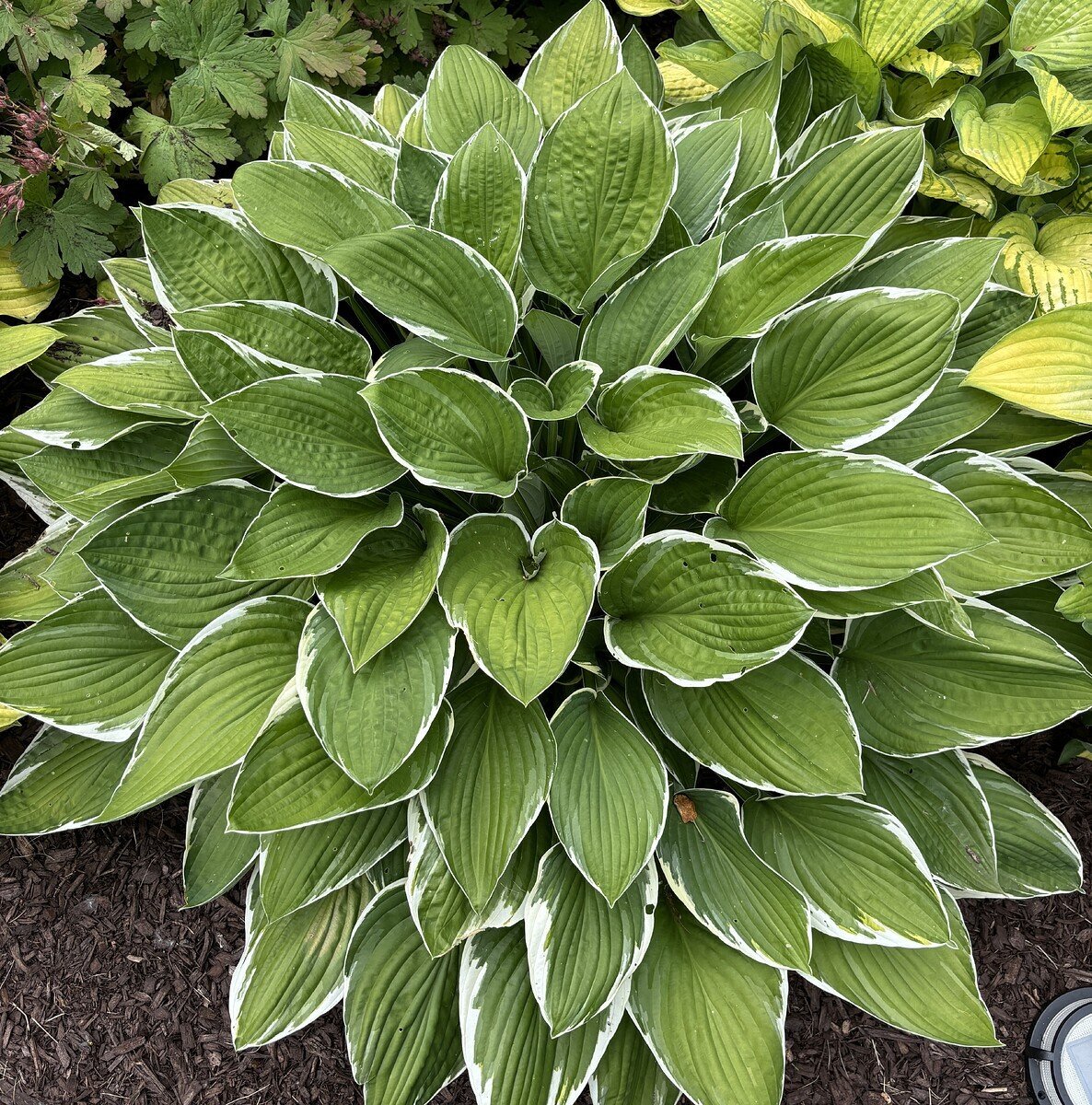
Count back from your first frost date. New roots need four to six weeks to settle in before the ground freezes, so the later your first frost, the later you can divide. Pick a cool, cloudy day if you can.
When to start, by zone
Fall dividing works in every zone that gets a hard freeze. Only the calendar changes: cold zones start in late summer, mild zones as late as October.
| USDA zone | Average first frost | Start dividing | Finish by |
|---|---|---|---|
| 3 | Sept. 8-15 | July 28-Aug. 4 | Aug. 11-18 |
| 4 | Sept. 21-Oct. 7 | Aug. 10-26 | Aug. 24-Sept. 9 |
| 5 | Oct. 13-21 | Sept. 1-9 | Sept. 15-23 |
| 6 | Oct. 17-31 | Sept. 5-19 | Sept. 19-Oct. 3 |
| 7 | Oct. 29-Nov. 15 | Sept. 17-Oct. 4 | Oct. 1-18 |
| 8 | Nov. 7-28 | Sept. 26-Oct. 17 | Oct. 10-31 |
“Start” is about six weeks before the average first frost, and “finish by” is about four weeks before it. That four-to-six-week rule comes from Clemson. Frost dates are averages, so check your local one.
- Dig the planting holes first, so the divisions spend as little time out of the ground as possible.
- Lift the clump with a spade or garden fork, working around the outer edge and keeping roots intact.
- Shake off loose soil and tease or cut the clump into sections.
- Keep only vigorous sections, each with healthy roots and shoots. Discard a dead or woody center.
- Trim foliage back to balance the lost roots, and mix compost into the new site.
- Replant at the original depth and water in well.
Tools and prep checklist
☐ Garden fork or spade to lift the clump
☐ Clean, sharp knife or pruners to cut sections, disinfected with 70% isopropyl alcohol
☐ Compost to mix into the planting site
☐ Hose or watering can
☐ Straw, pine needles or leaf litter for mulch in cold climates
☐ A cool, cloudy day
☐ Water the clump deeply the day before
☐ Clear weeds and debris from the new site, and dig the planting holes first
☐ Deadhead faded blooms and cut away weak stems and any diseased parts
Dig about 4 to 6 inches out from the crown to keep the root ball intact, and aim for sections with three to five healthy stems and roots attached.
Perennials to divide in fall
| Plant | Best time to divide | Division size | How often |
|---|---|---|---|
| Hosta | Early fall (spring also works) | Clumps with one to three eyes, or a wedge | Rarely needed |
| Bearded iris | A month after bloom through early fall | One leaf fan plus a few inches of rhizome | Every few years |
| Daylily | After blooming, through early fall | Divisions with three or more shoots | Every three to six years |
| Peony | September to October | three to five well-developed eyes | Rarely needed |
| Liatris | Early spring or late fall | Corm pieces, each with a growth point | Every three to six years |
| Sedum ‘Autumn Joy’ | Spring preferred; early fall also reported | Clump sections | To increase stock |
Hosta
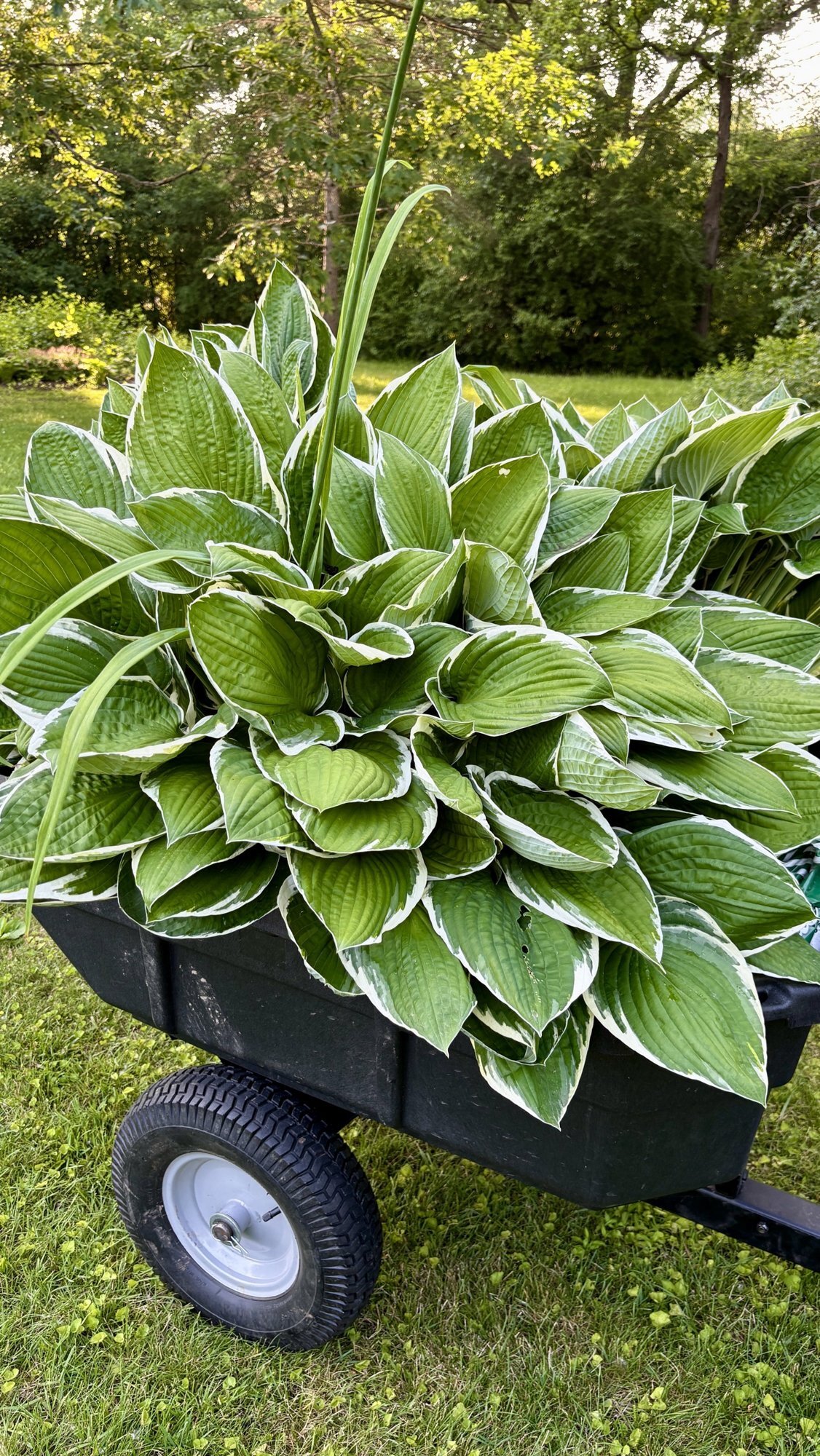
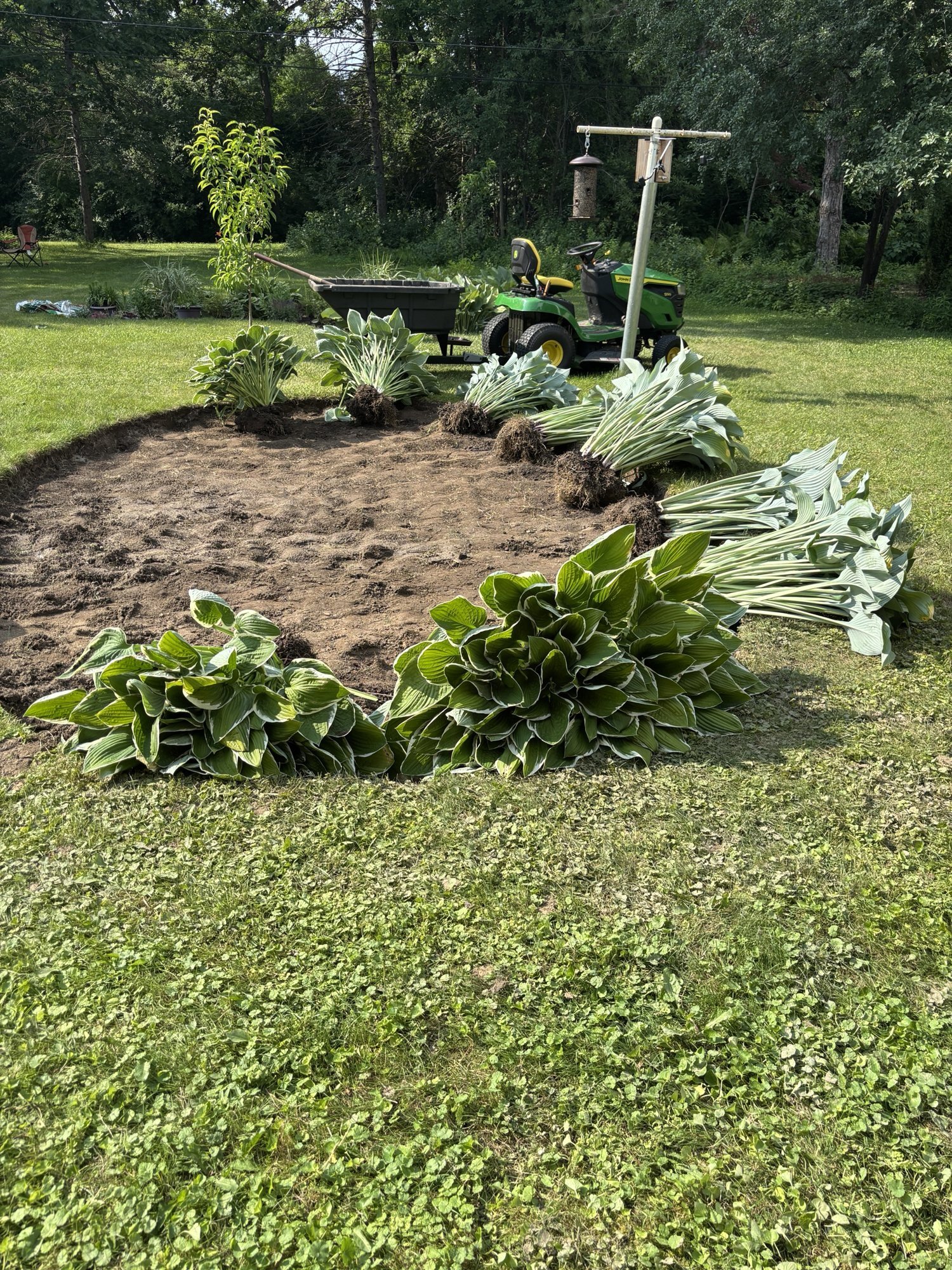
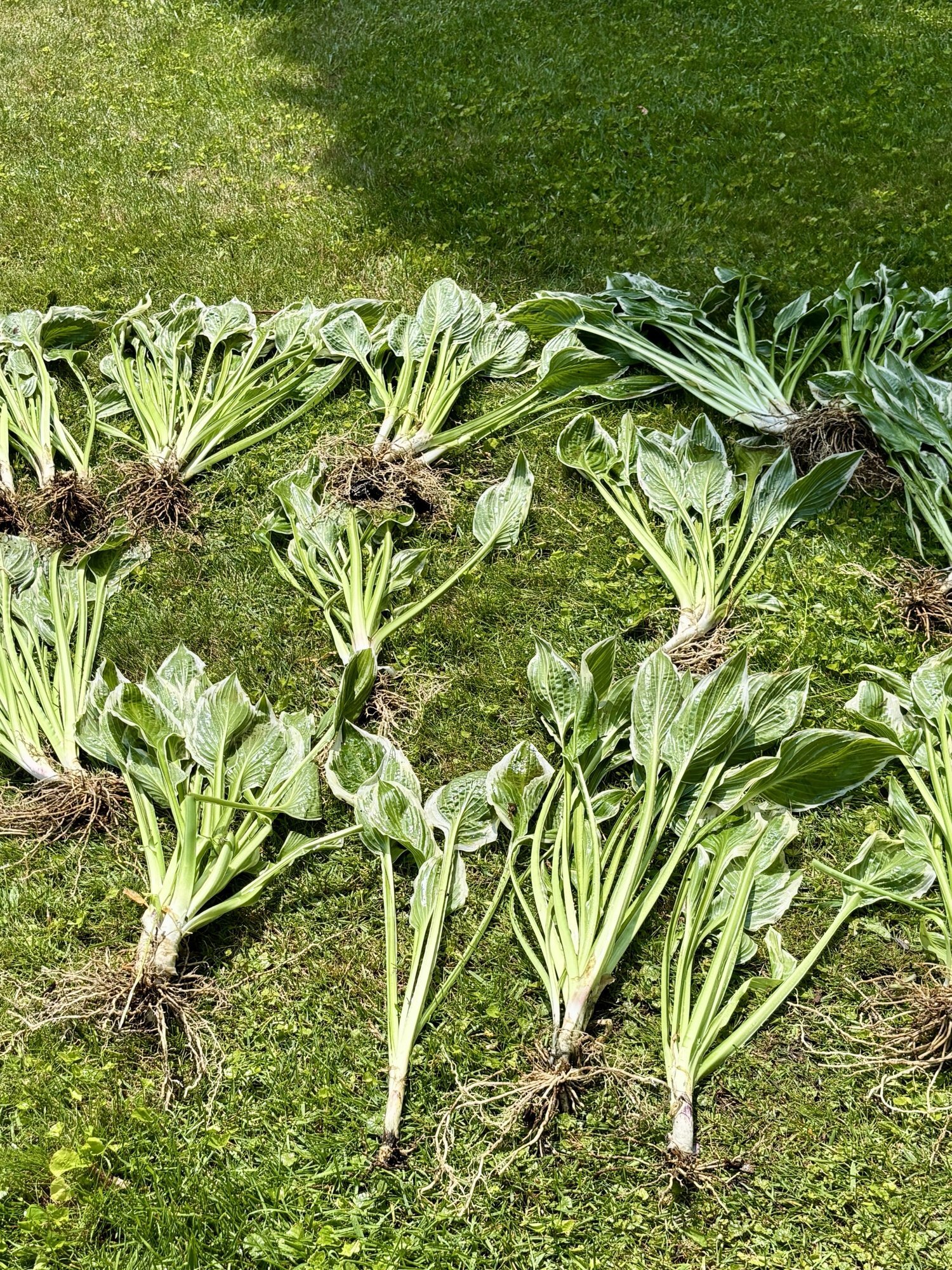
Hostas are the plant I divide most often. It feels like every year, but it’s usually every three years, since I don’t do them all in the same season.
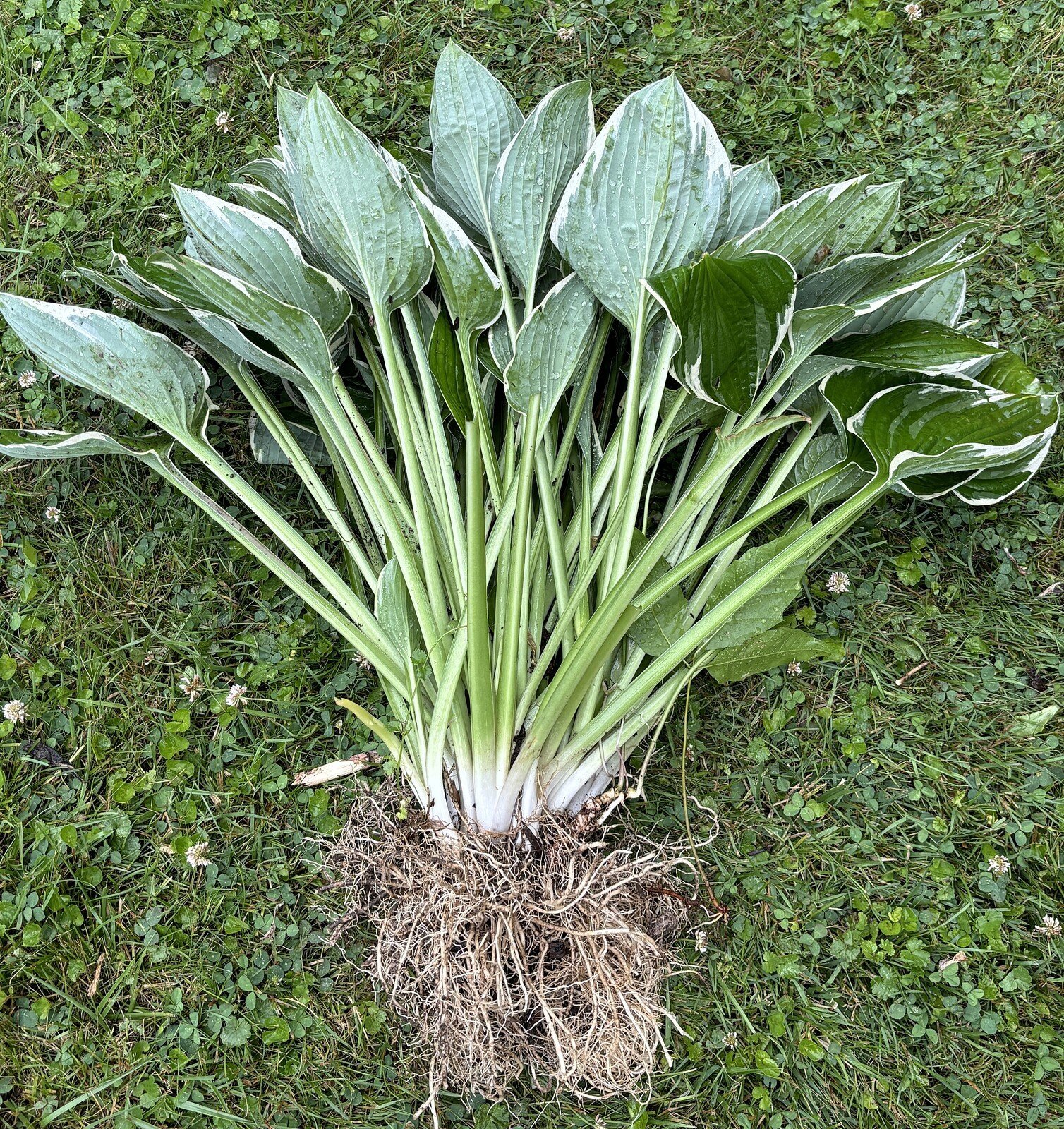
Best time: early fall, though spring also works. Hostas have fleshy roots and often go a decade without needing a split. Divide when the clump outgrows its spot or the center thins. For a quick fix, cut a wedge from the edge with a sharp spade and fill the hole with compost; the clump refills. For more plants, split the crown into pieces with one to three eyes each.
Bearded iris
I let my bearded iris go longer than I should. About every five years I notice crowding and fewer blooms, and that’s my sign to dig them up.
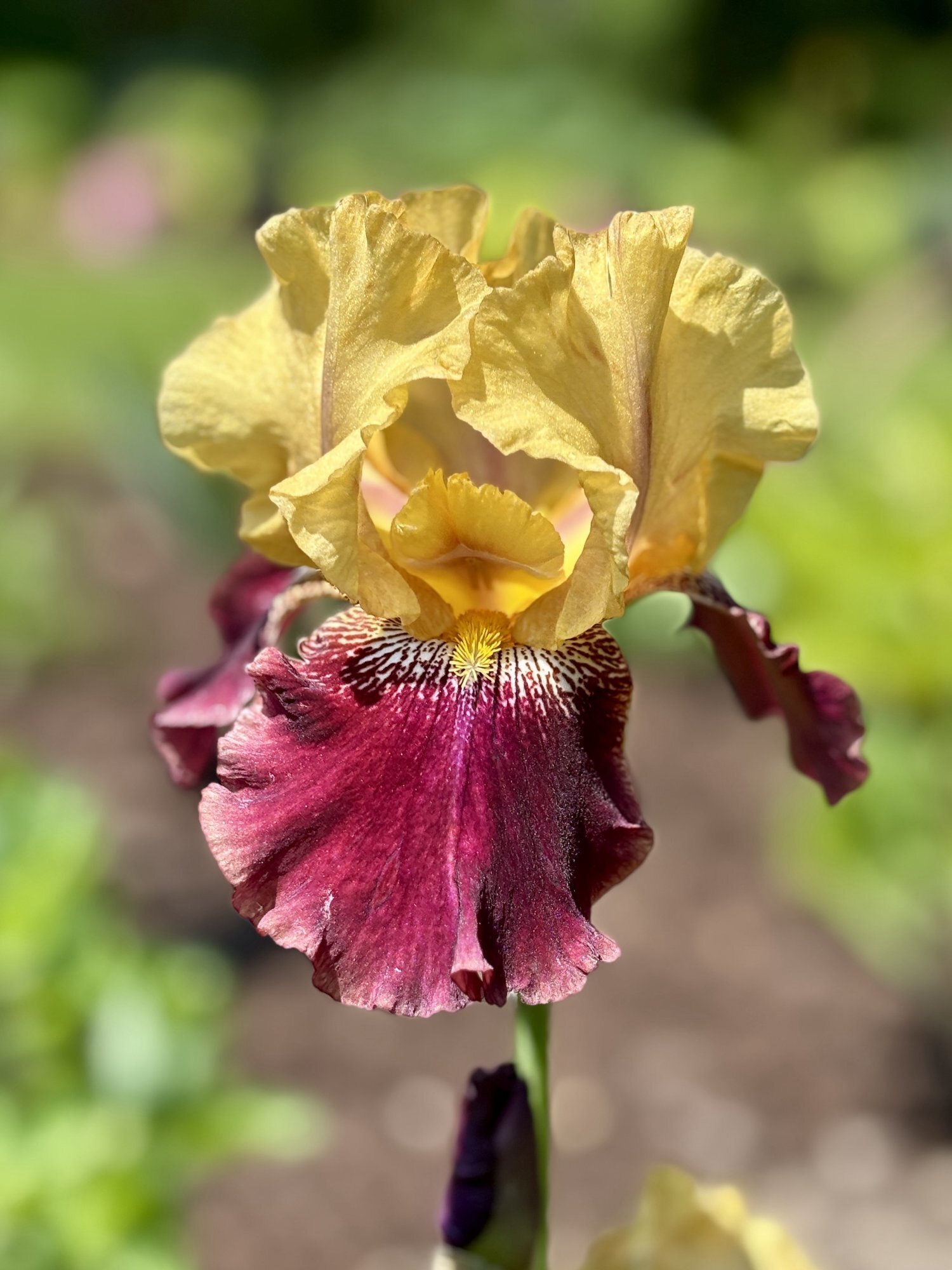
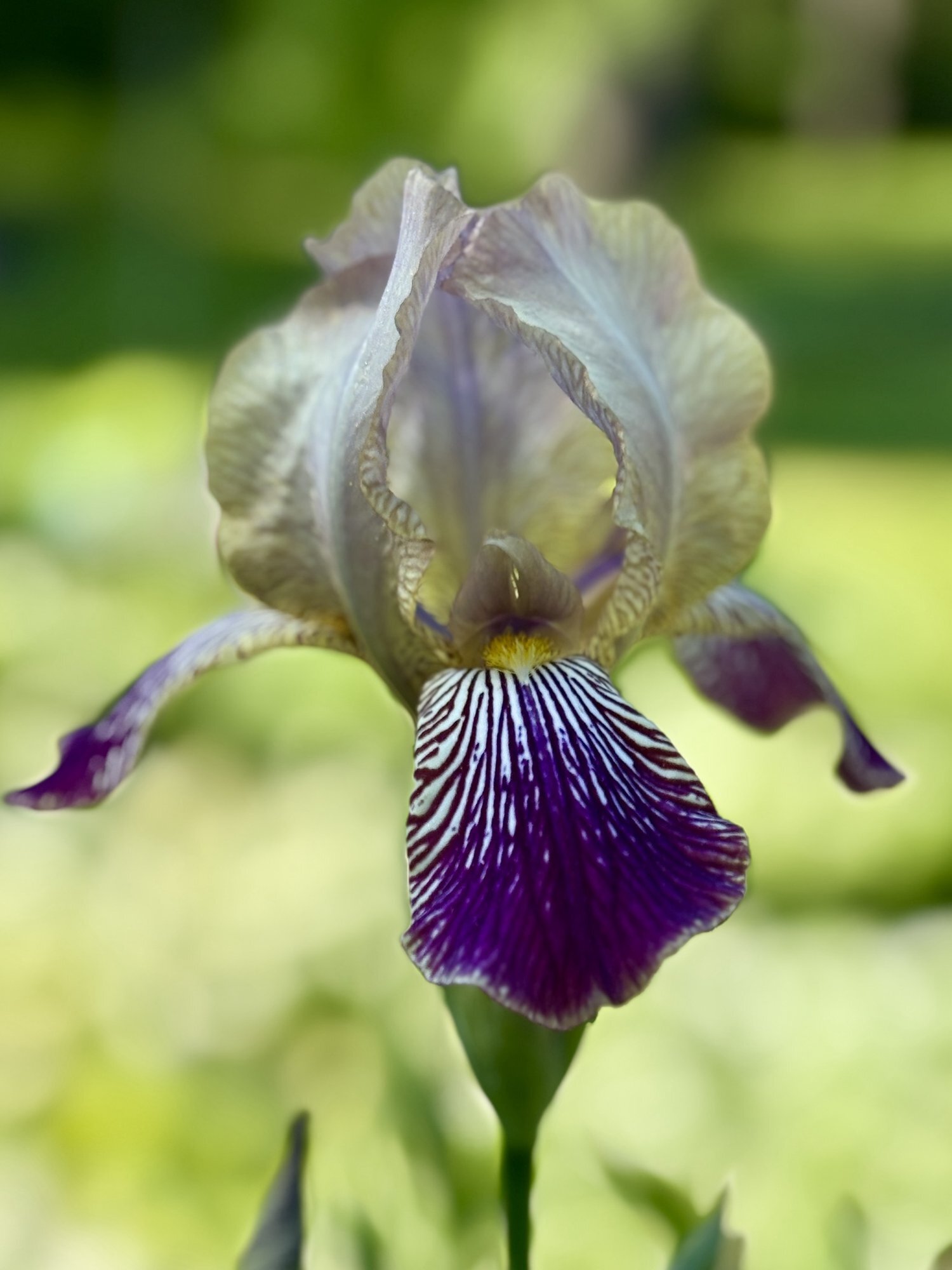
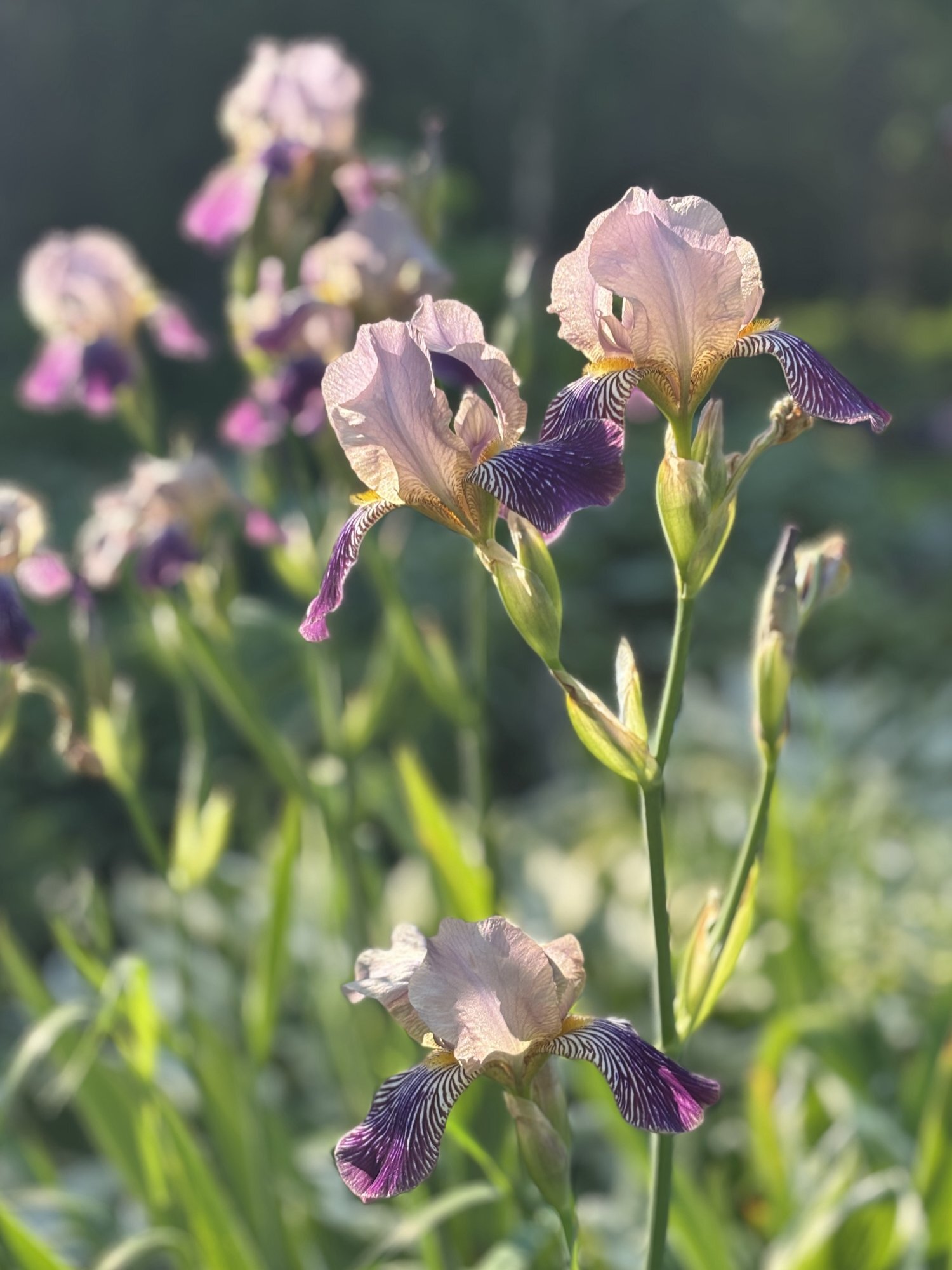
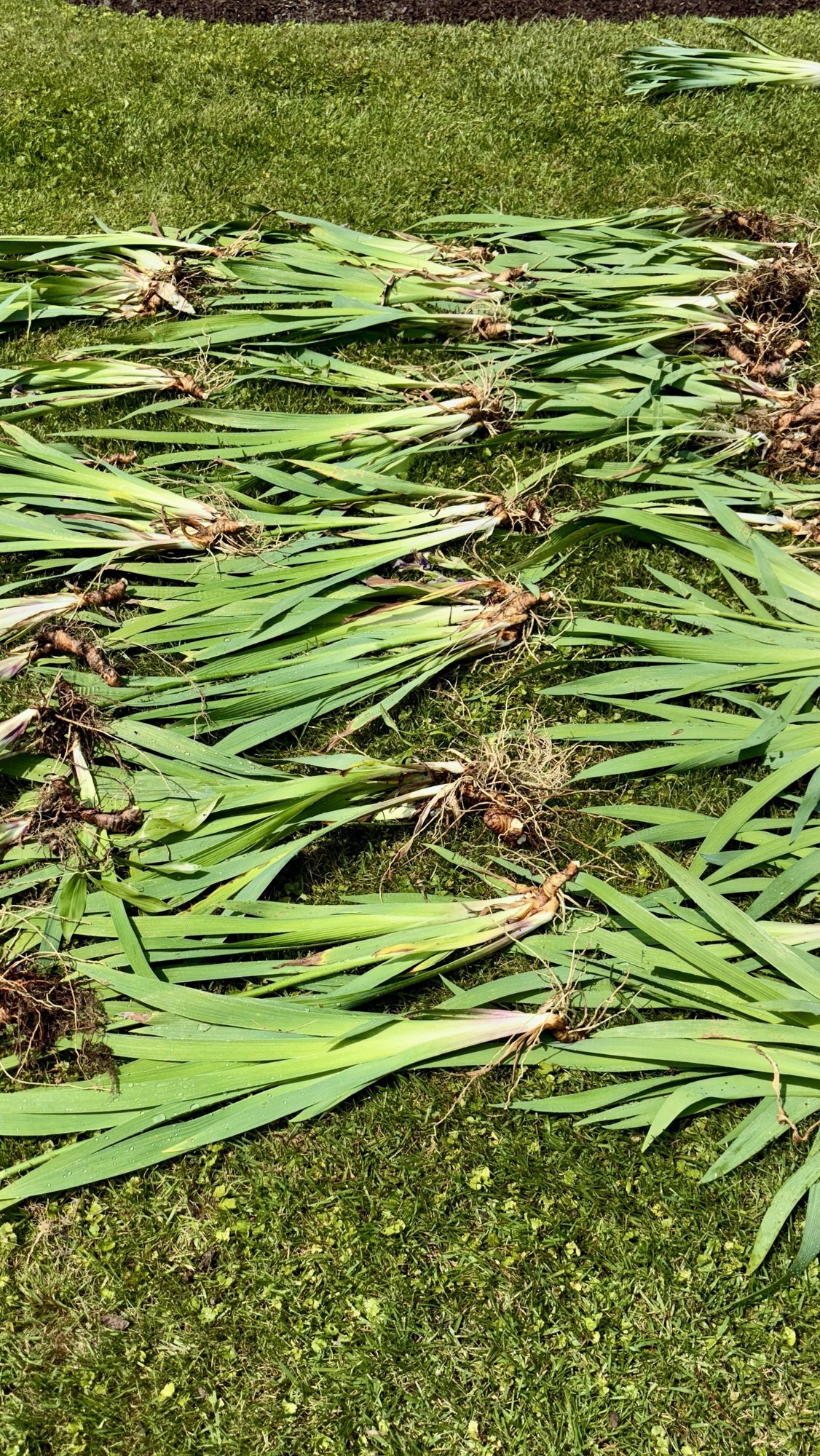
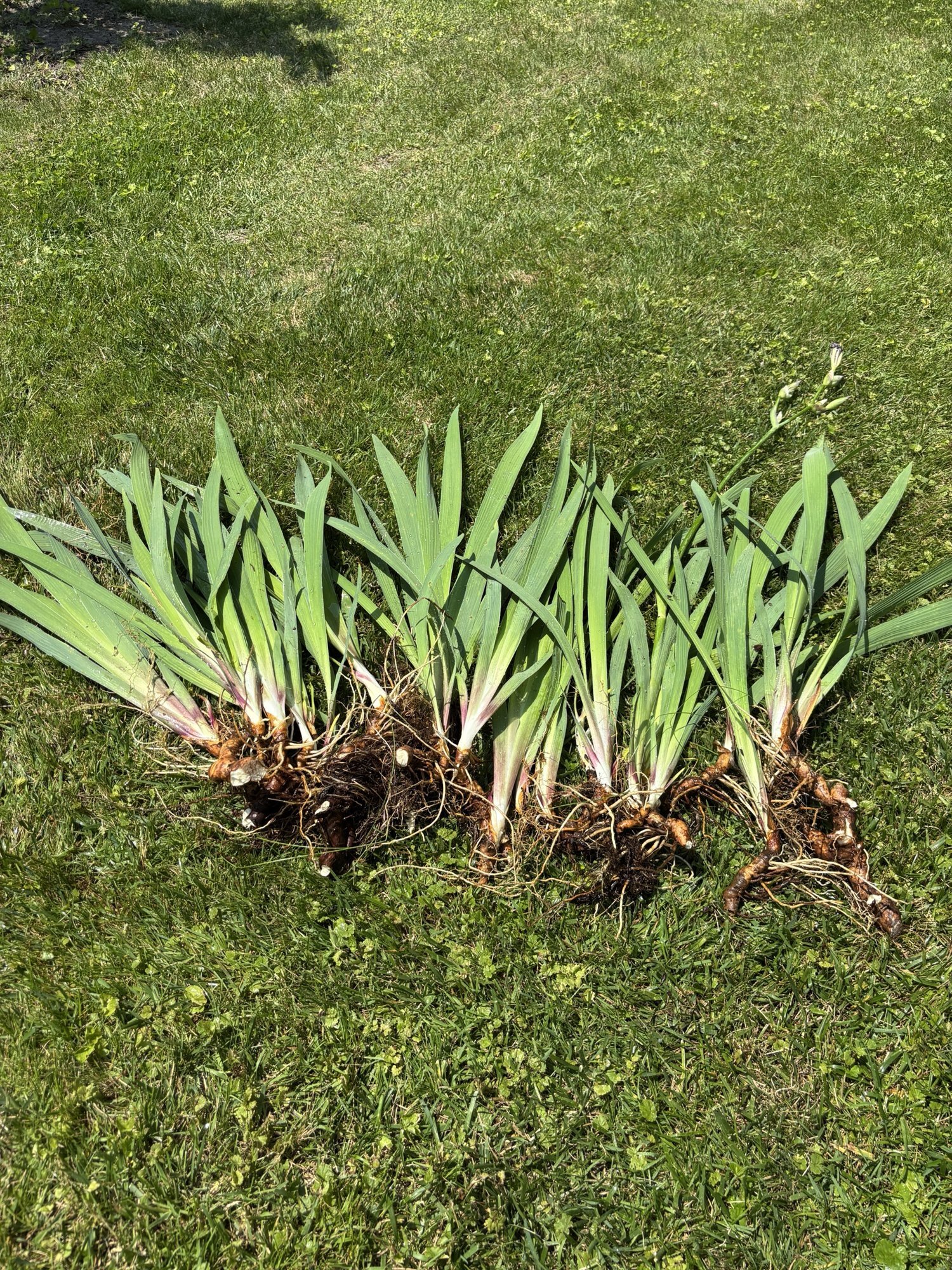
Best time: about a month after bloom through early fall. Iris grow from rhizomes, which are thick stems at the soil surface. Overcrowded clumps bloom poorly, so lift them, discard any old, soft or damaged rhizome, and keep a few inches of healthy rhizome with one fan of leaves. Cut the fan back by about half. Replant with the top of the rhizome just at the soil surface, not buried. Timing guidance varies: some sources say July and August, others allow a month after flowering through early fall. Do it early enough to root before frost.
Daylily
I don’t grow the fancy hybrid daylilies, but I do have the common orange ditch lilies. They’re a daylily too, so the same dividing advice applies.
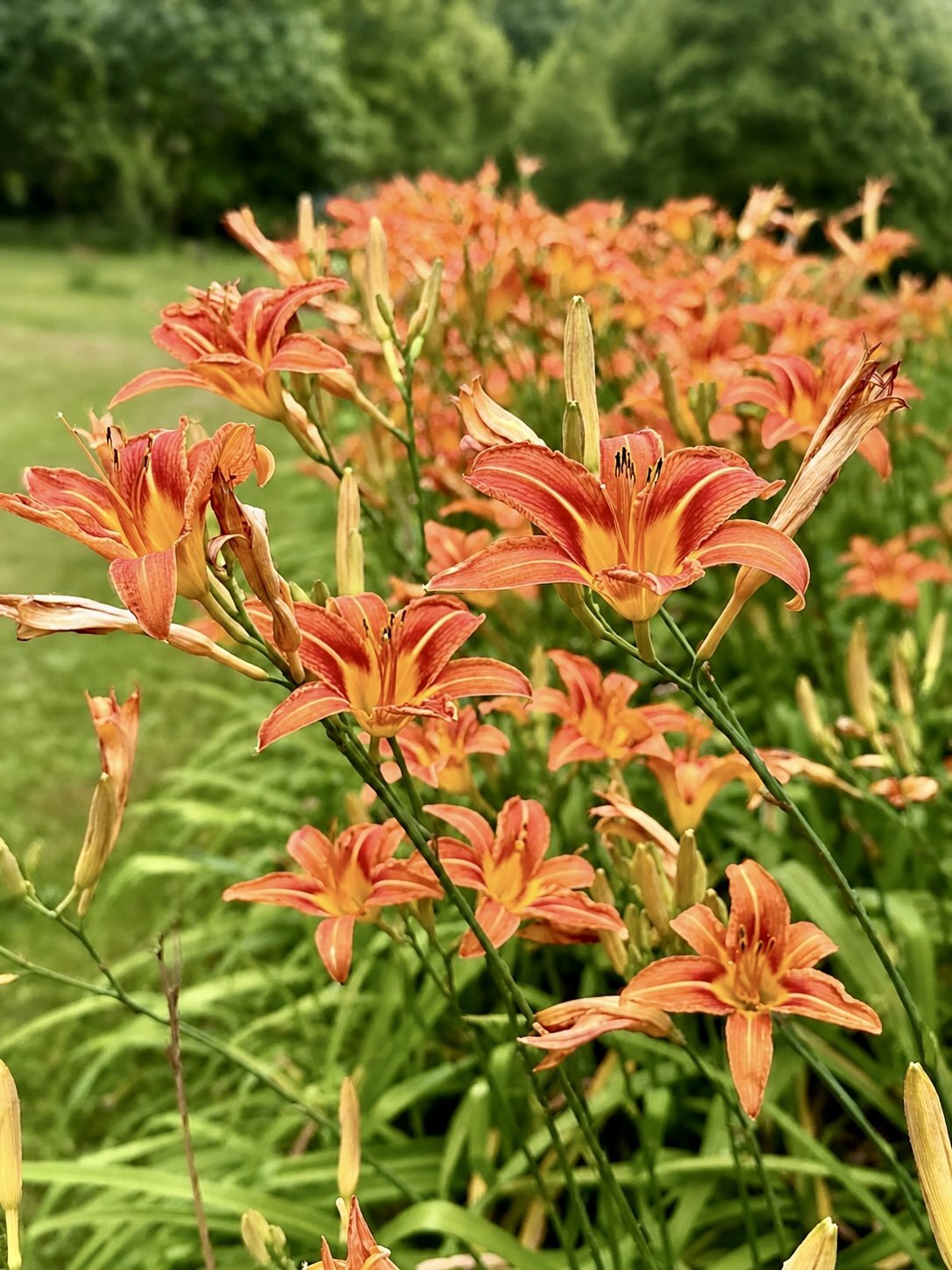
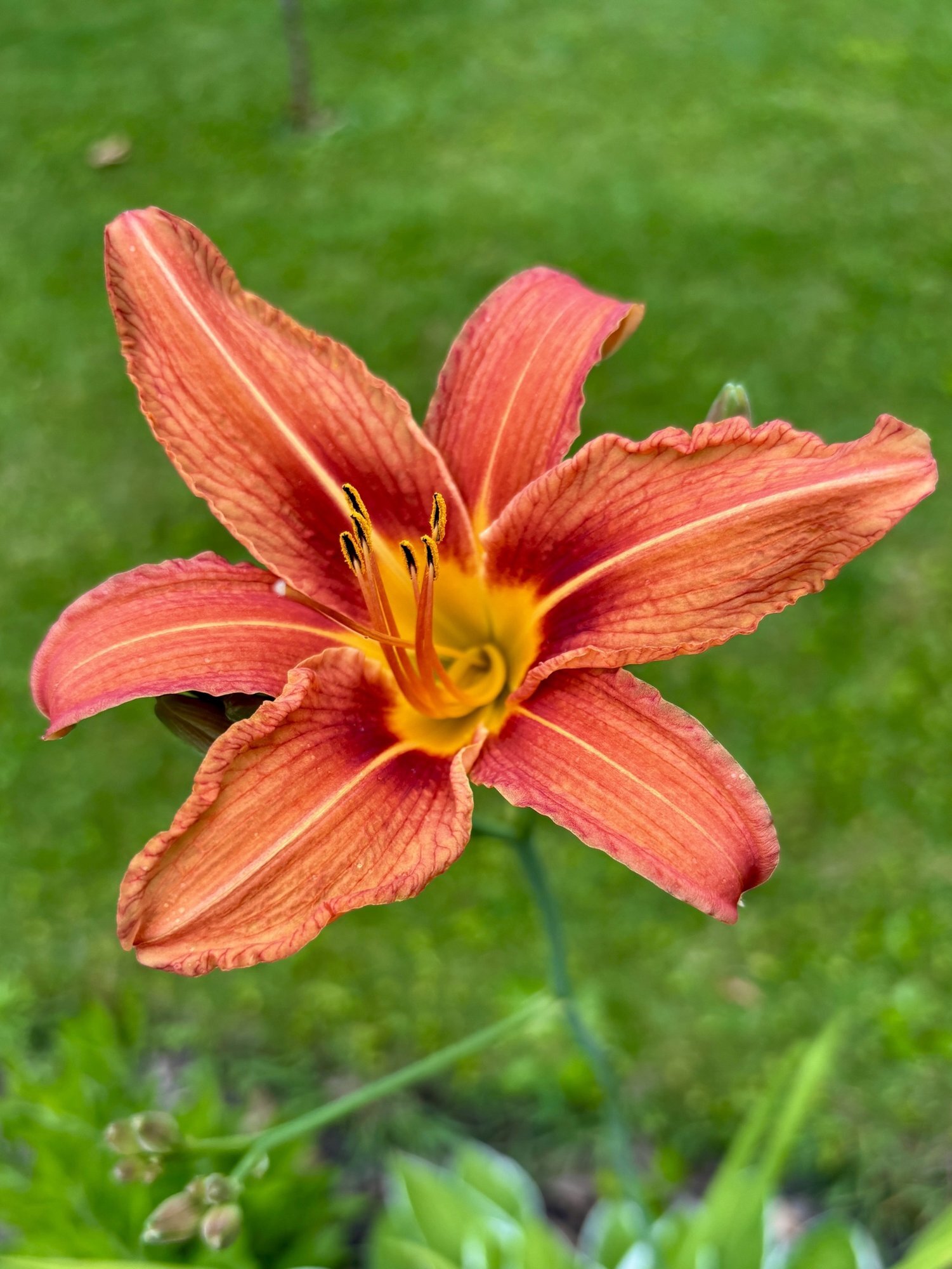
Best time: spring, summer or fall, ideally after blooming. Daylilies are among the most forgiving plants to divide. Divide every three to six years, or when blooms shrink. Divisions with three or more shoots bloom sooner.
Peony
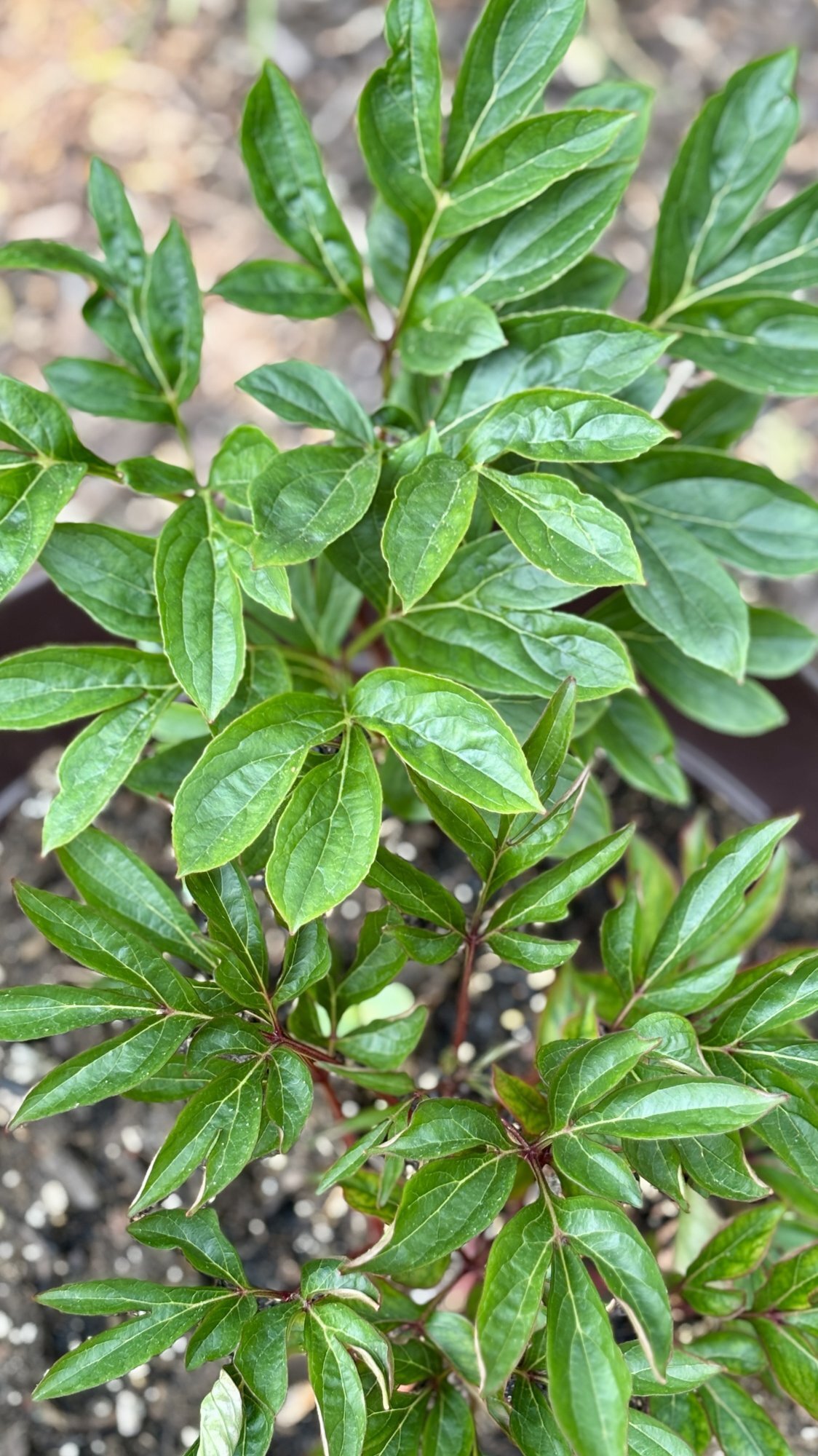
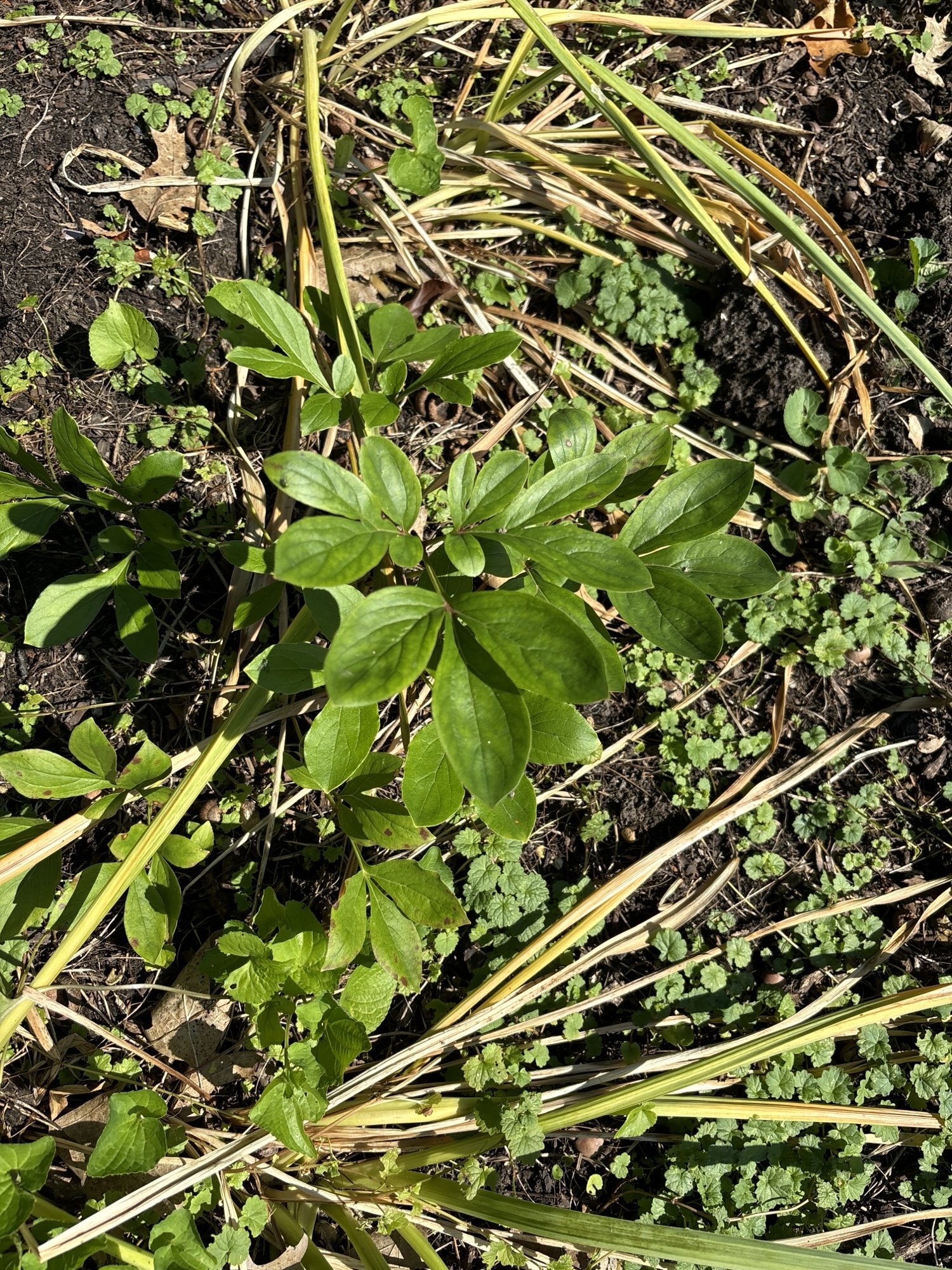
Peonies hate being divided and moved. Mine showed it by not blooming the following year, so I’ve only divided mine once in many years.
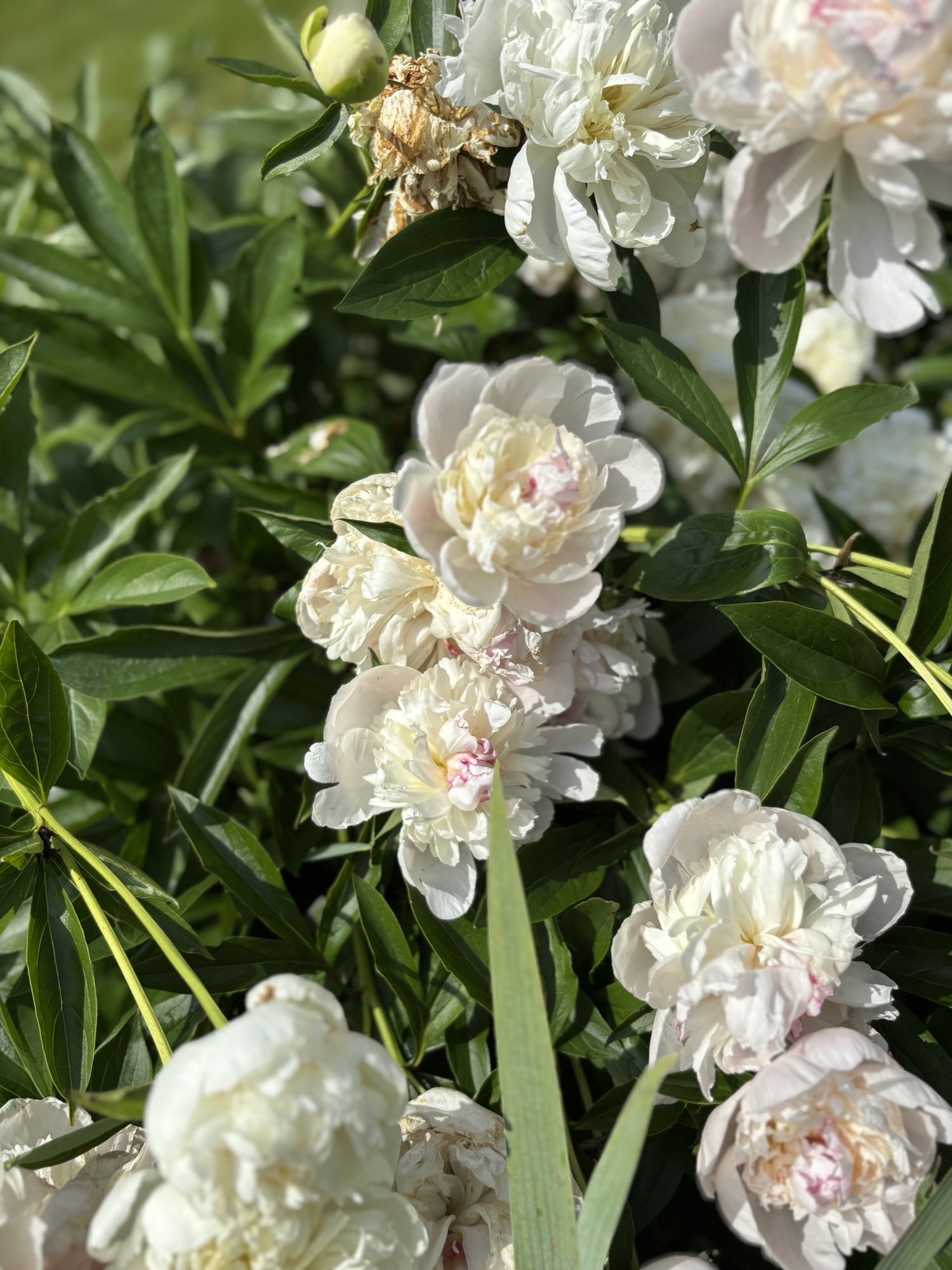
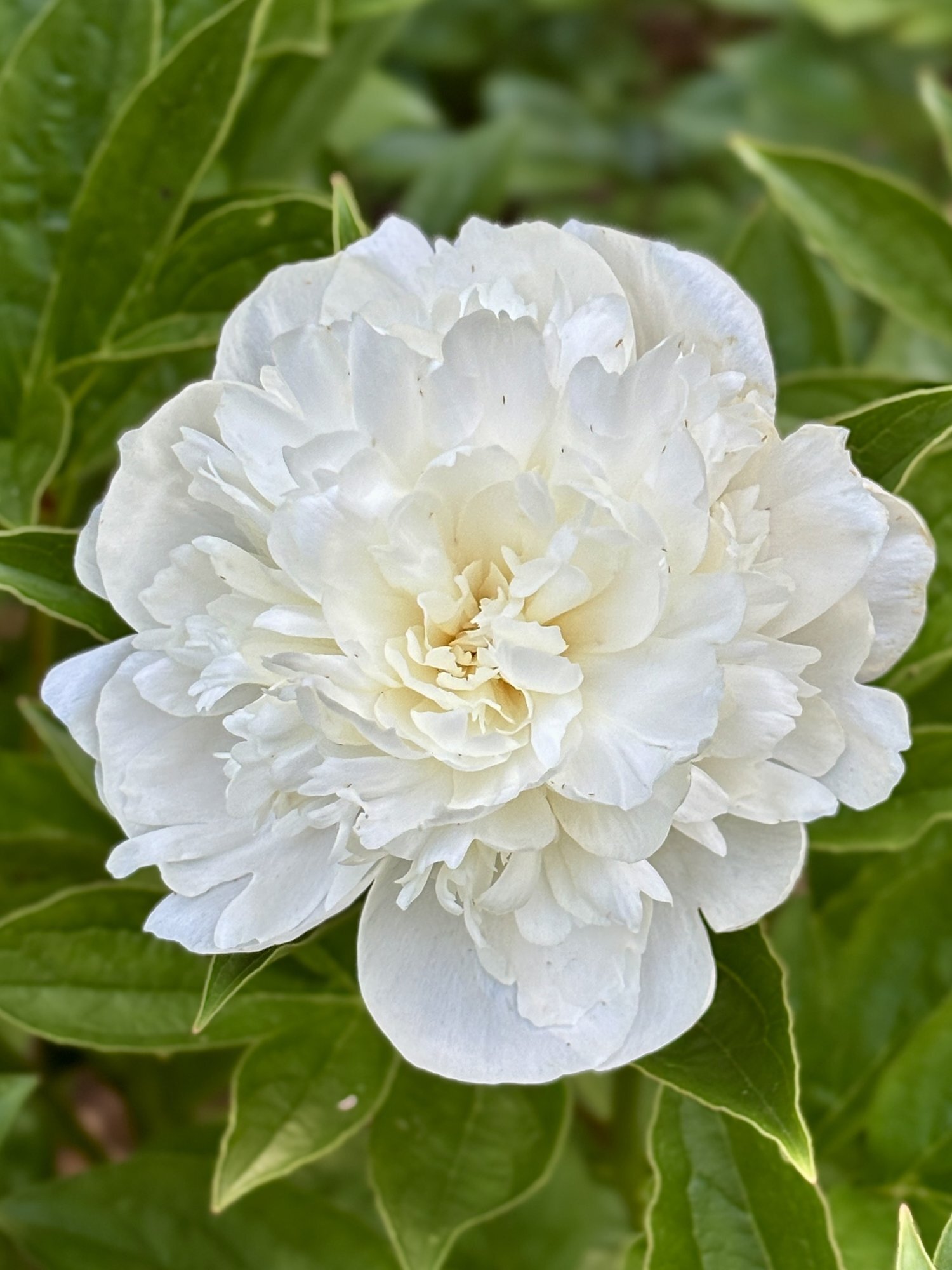
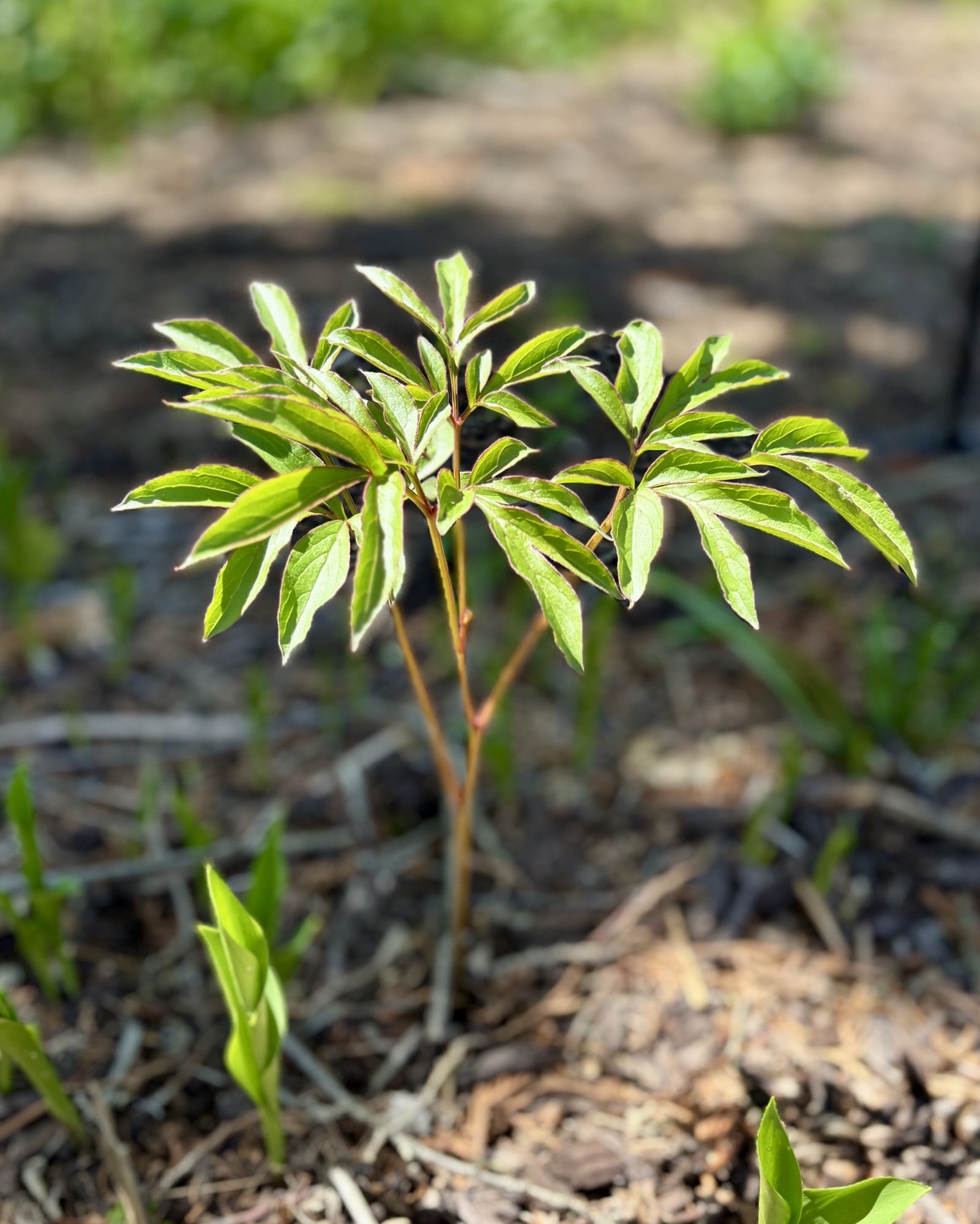
Best time: September to October. Fall is the best time for peonies. Divide only when you must, since they dislike disturbance. Each division needs three to five well-developed eyes, planted no more than an inch deep. They can take up to three years to bloom again.
Liatris (blazing star)
I grow liatris from corms, and it’s an inexpensive flower, so I just keep planting more. The deer and squirrels leave it alone, but the bunnies don’t.
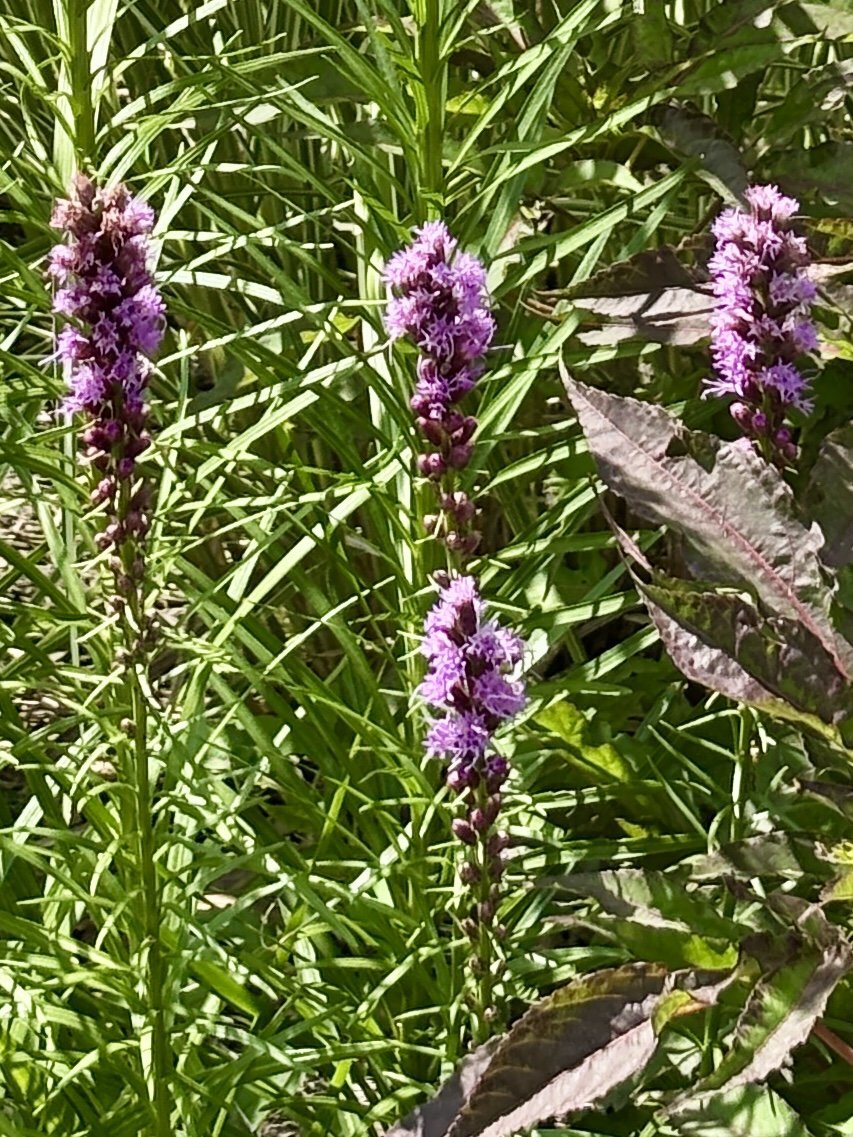
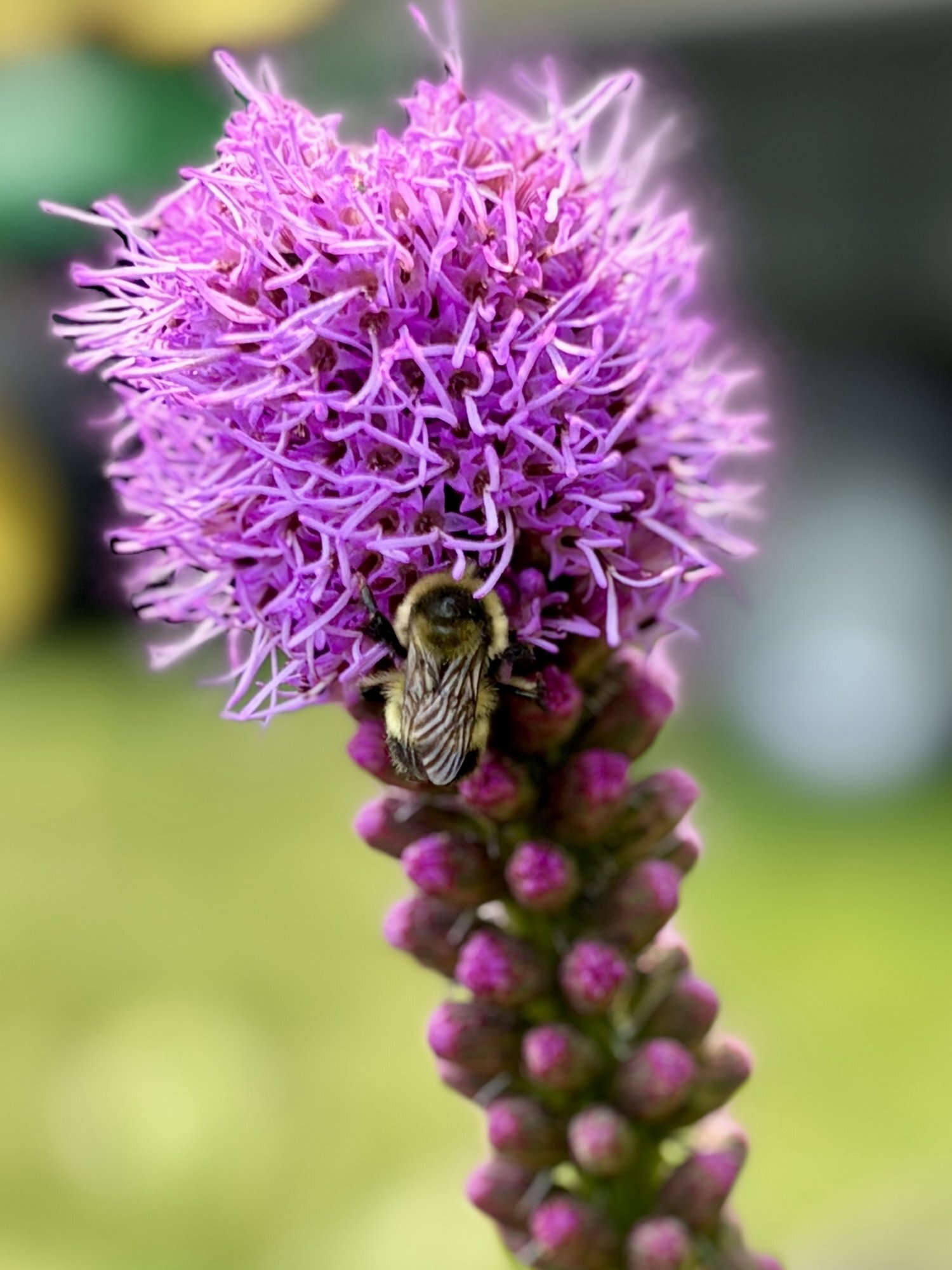
Best time: early spring or late fall, while dormant. Liatris grows from corms rather than fibrous roots. One source allows early spring or late fall; another says to wait for leaf tips to emerge in spring. Skip it during bloom or seed set. Divide mature clumps, roughly three to six years old, once the oldest center corms stop producing foliage or flowers.
Dig a couple of inches outside the clump and lift it. Break off the offsets around the central corm, or cut tight clusters apart with a sharp knife, so that each piece has at least one growth point. Replant at the same depth, about a foot apart, and water well.
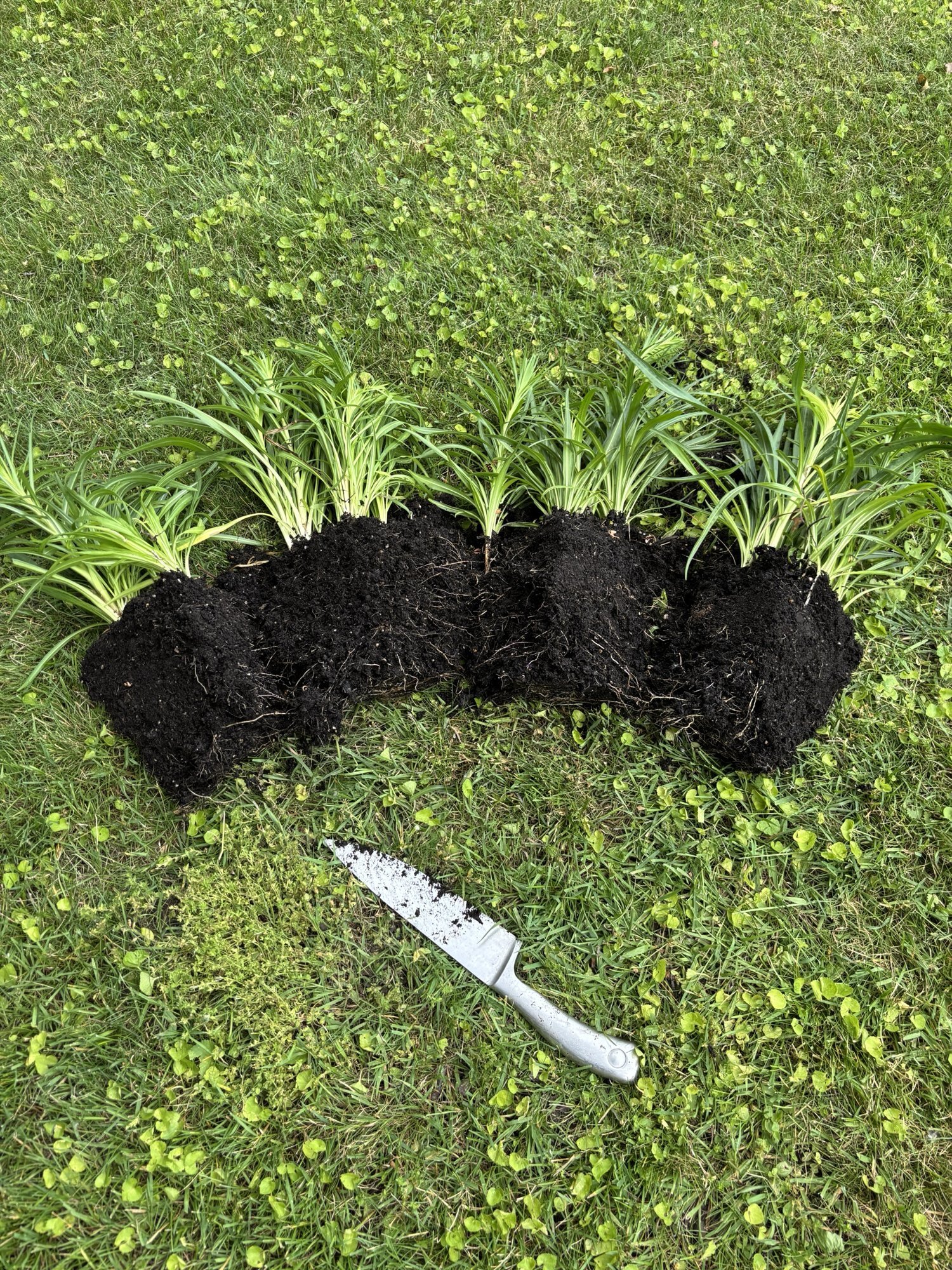
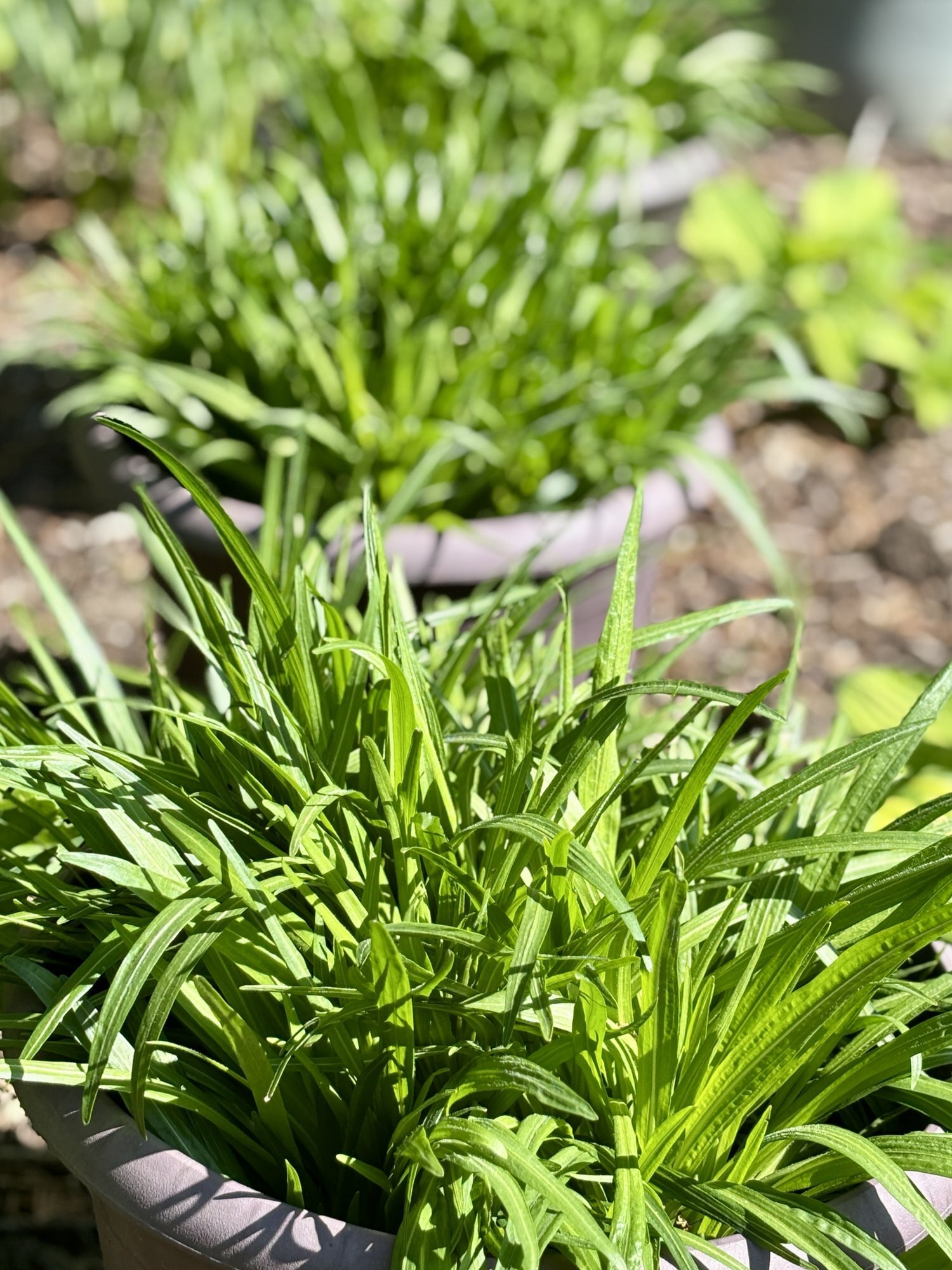
Sedum ‘Autumn Joy’
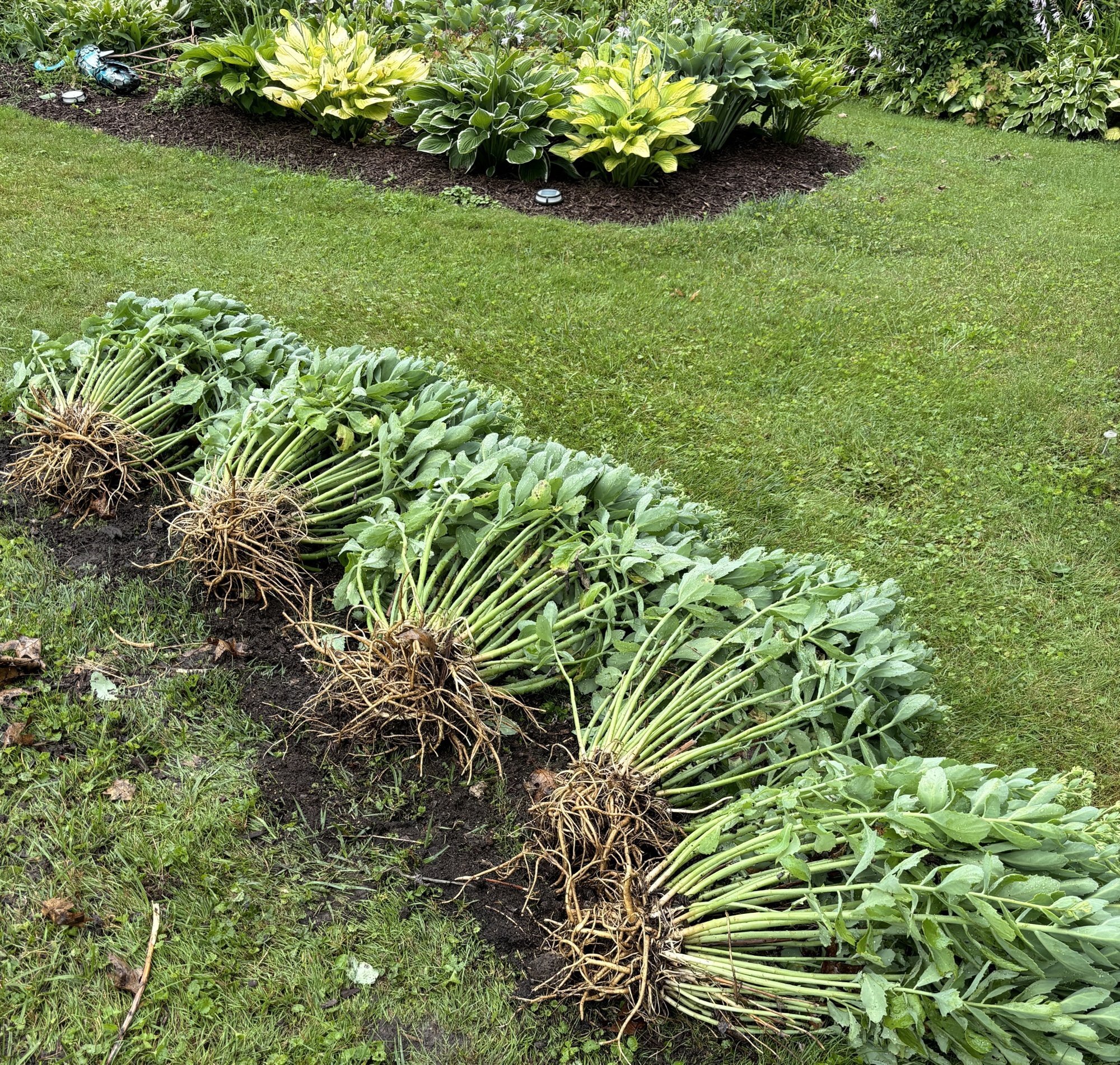
Autumn Joy is the other plant I divide most often, again usually about every three years.
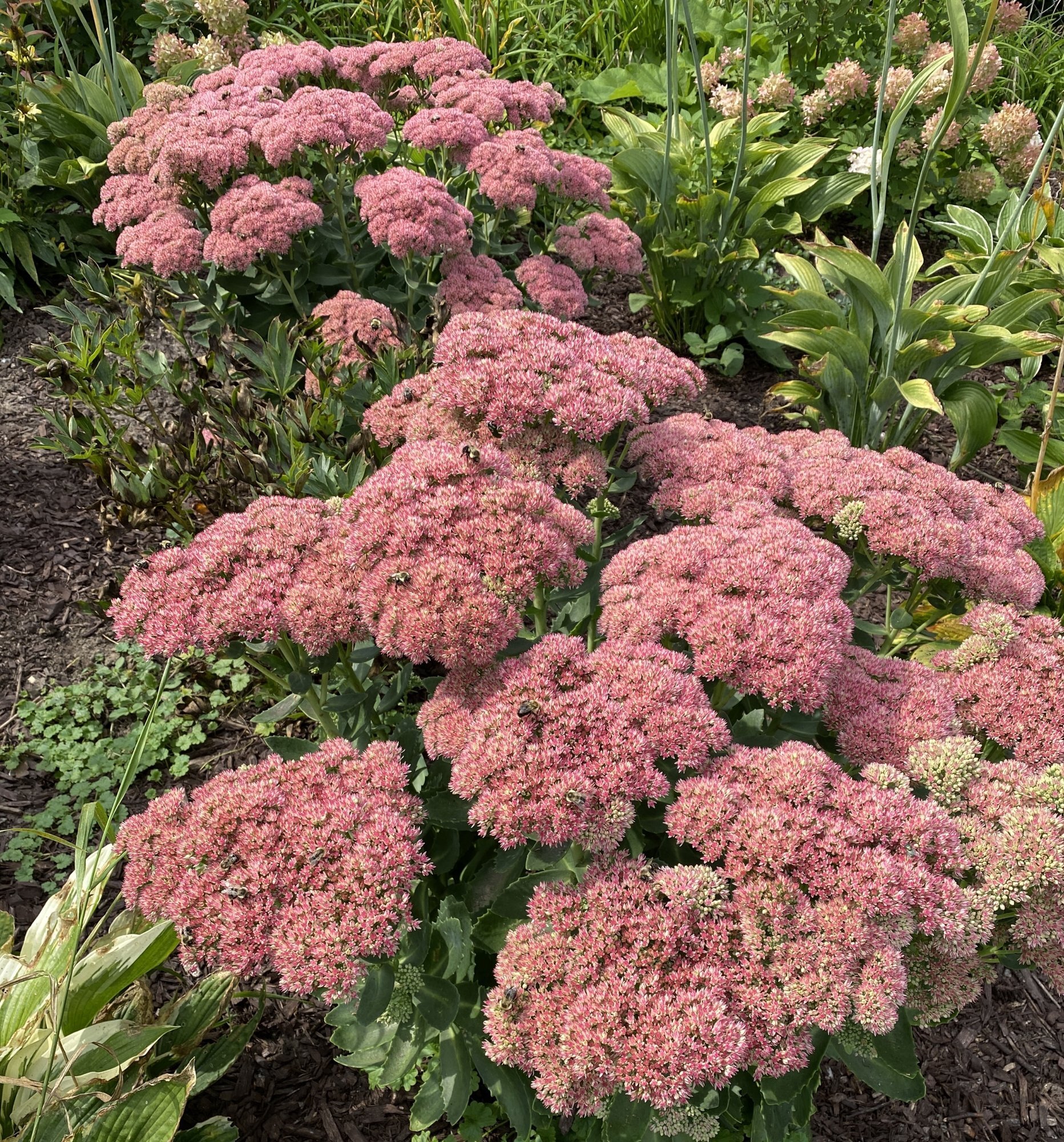
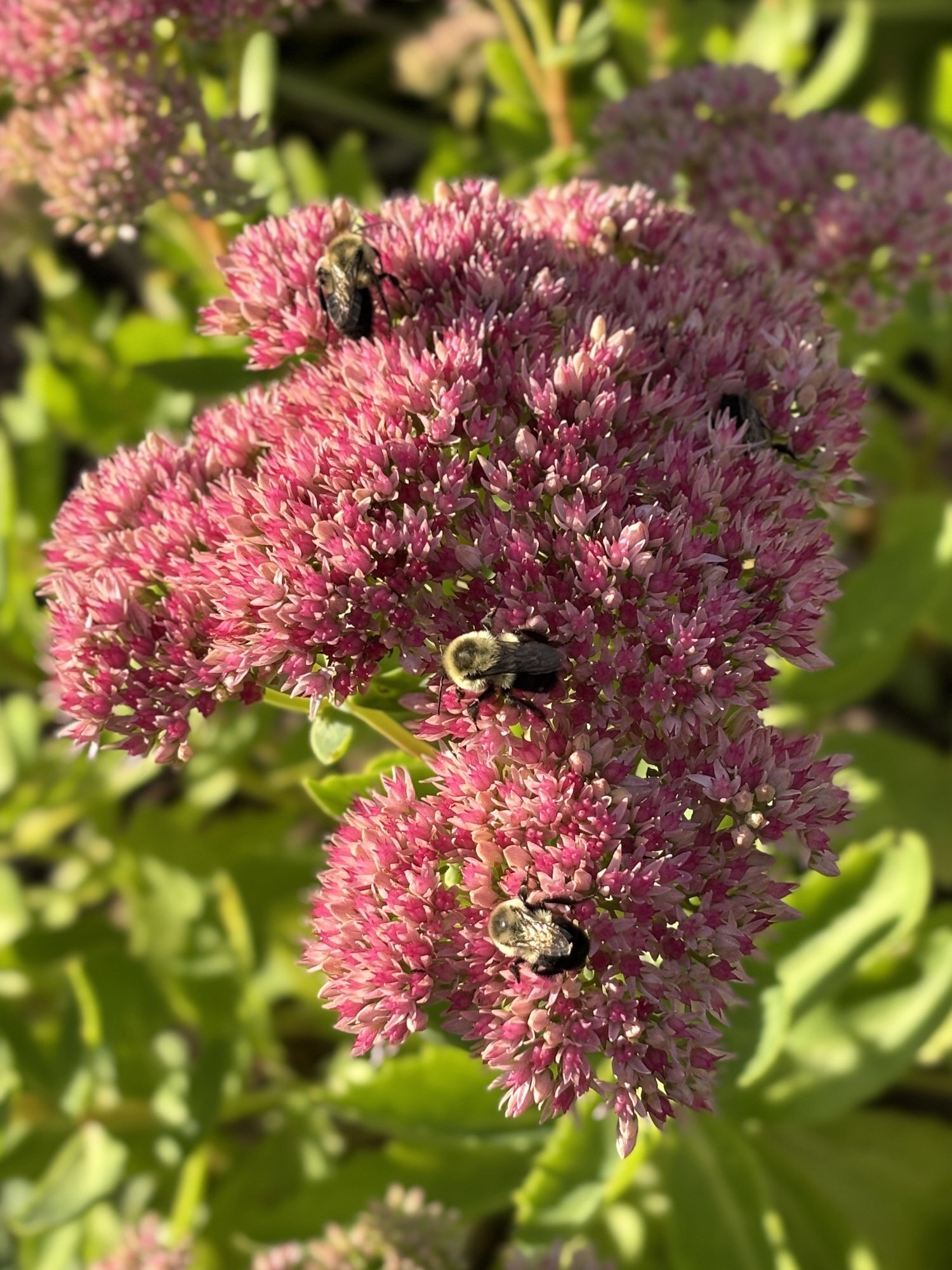
Best time: spring, with early fall as an option. Autumn Joy blooms in fall, so the general rule puts its division in spring, as new growth starts. Clemson and Iowa State say spring, while Wayside Gardens says early spring or fall, and Living Etc says September. It is easy to split, so if you want more plants, take clump sections in spring and enjoy the fall blooms.
I always mean to divide Autumn Joy in early spring, but it never happens! I have divided them in July, right when they have their little buds. I don’t suggest it, but mine were just fine. Typically, I end up dividing sedum in the fall, once the flowers are done blooming, and I coincide it with planting my fall bulbs.
Other perennials worth dividing in fall
These also divide well in late summer to fall, according to Family Handyman, Wayside Gardens and Living Etc.
- Garden phlox: divide in early fall, which can also reduce powdery mildew.
- Siberian iris: trim the foliage and keep about three leaf fans per division.
- Coral bells: divide about every three years and discard the woody center.
- Hardy geranium, astilbe and ajuga: divide every two to three years. Ajuga spreads quickly afterward.
- Bee balm: spring or early fall, every two to three years, discarding the woody center.
- Veronica, bleeding heart and Oriental poppy: all divide in fall, the poppy once it dies back.
- Shasta daisy: divide often, as frequently as yearly, to keep it blooming well.
Better in spring, or best left alone
Fall bloomers, such as ‘Autumn Joy’ sedum, are best divided in spring as the growing tips emerge. Both extension sources above give spring for ‘Autumn Joy’.
Also skip any plant that is healthy and blooming well. Divide only when you see smaller flowers, a hollow or dead center, or sparse, weak growth at the base of the clump, or when you want more plants.
Aftercare
Water new divisions thoroughly at planting, then keep the roots slightly moist and stretch the time between waterings as they establish. Keep watering periodically until the ground freezes. In cold climates, a layer of straw, pine needles or leaf litter protects the roots from freezing and thawing, and comes off in early spring. Mix compost into the planting site. Two sources advise holding off on fertilizer until new growth appears in spring.
Common mistakes to avoid: dividing too close to the first freeze, planting iris rhizomes or peony eyes too deep, and leaving divisions out of the ground longer than necessary.
What to do with extra divisions
Replant divisions as soon as you can. If you have more than you have room for, pot them in a well-draining potting mix and keep them evenly moist, or share them with friends.
If you’re running late
Missing the window isn’t a disaster. Most of these plants can simply wait until spring, when you can divide as soon as new growth appears. A few are flexible at any time of year: Wayside Gardens says hostas can be divided any time, and Clemson says daylilies can be divided in spring, summer or fall. Peonies are the one to be careful with: if you miss September and October, wait until next fall.
From my garden
I garden in zone 6a, where the first frost averages mid-to-late October, so my fall window runs from early September into early October. When I run late, I just wait until spring for some plants, and others can be divided any time, really.
- Hostas and sedum: I divide these most often. It feels like every year, but it’s usually every three years. I don’t divide them all in the same year, which is why it seems I’m always dividing hostas and sedum.
- Peonies: My peonies hate to be divided and moved, and they show it by not blooming the following year. I’ve divided mine only once in many years.
- Bearded iris: I let mine go longer than I should. About every five years is when I notice overcrowding or fewer blooms.
- Liatris: I’ve planted a lot of it, and I grow it from corms. Squirrels and deer don’t devour it, but the bunnies do. It’s an inexpensive flower, so I just keep planting more.